Ever dreamed of a trip that’s more than just sightseeing? I know I certainly have, and that longing for true purpose often led me to imagine a place where I could genuinely contribute.
That’s why Tanzania holds such a special place in my heart! Imagine vibrant communities, breathtaking landscapes, and the incredible feeling of knowing you’re making a tangible difference every single day.
In a world increasingly seeking meaningful connections and sustainable impact, volunteer opportunities in places like Tanzania are truly stepping into the spotlight.
It’s a beautiful response to the global call for ethical travel and genuine cross-cultural exchange, moving beyond simple tourism to authentic engagement.
From assisting in wildlife conservation efforts that protect iconic species, to supporting vital education and health initiatives, the sheer breadth of ways you can contribute is astounding.
Trust me, the lessons you learn and the bonds you forge will stay with you long after you’ve left, shaping your perspective in ways you never thought possible.
Ready to embark on an adventure that not only broadens your horizons but genuinely enriches the lives of others? Let’s dive in and explore the incredible volunteer opportunities awaiting you in Tanzania.
Making a Real Difference in Wildlife Conservation
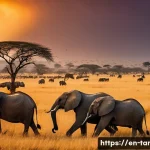
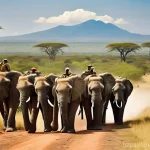
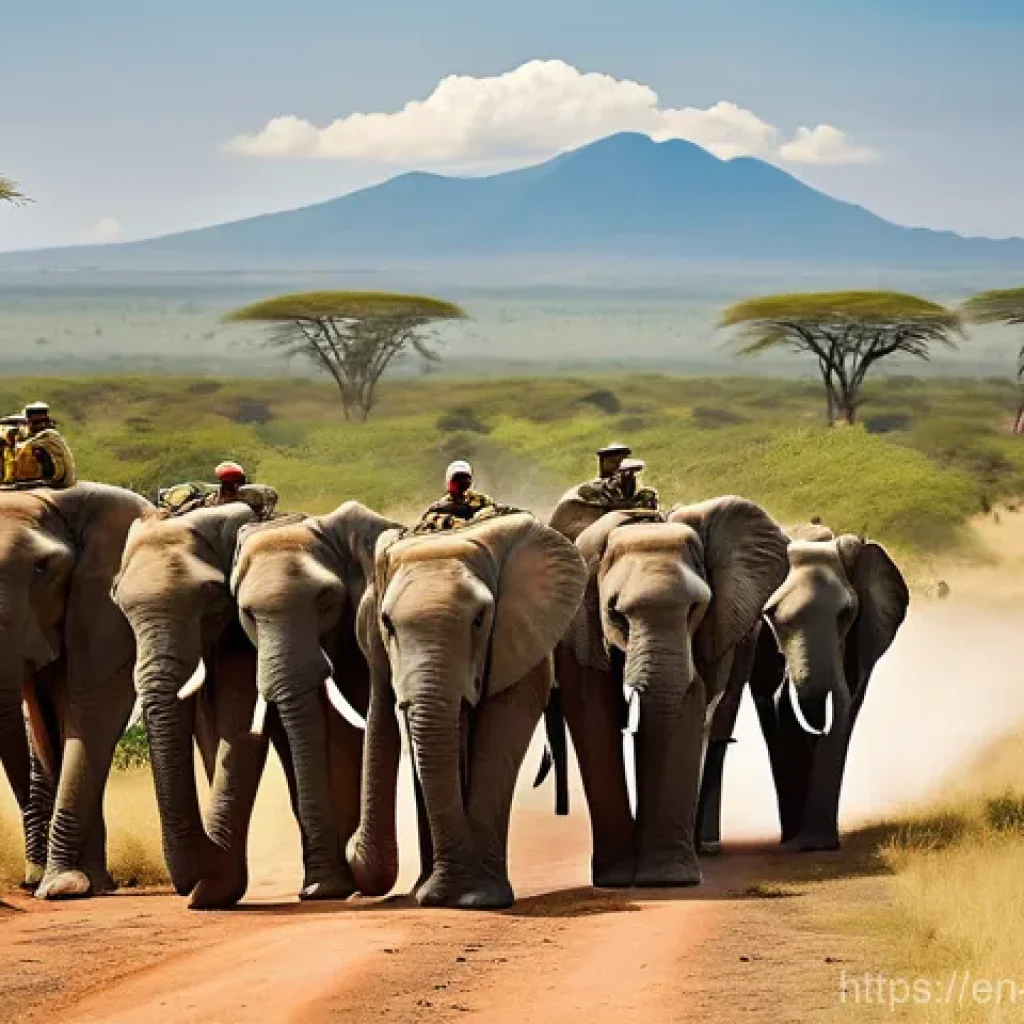
I still vividly remember my first encounter with a herd of elephants in Tanzania. The sheer scale, the quiet power, it was truly breathtaking. And knowing that I was there not just as a tourist, but as someone contributing to their future, well, that feeling is indescribable.
Many volunteer programs here are directly linked to safeguarding Tanzania’s incredible biodiversity, from the iconic “Big Five” to countless bird species and delicate ecosystems.
You might find yourself tracking wildlife, assisting anti-poaching units, or helping with community education on conservation. It’s not just about grand gestures; often, it’s the meticulous daily tasks – data collection, park maintenance, or even just preparing educational materials – that truly make a difference.
What really resonated with me was how these efforts are deeply intertwined with local communities. Sustainable conservation isn’t possible without their involvement, and being part of that bridge-building process was profoundly enriching.
You’ll work alongside passionate local rangers and researchers, gaining insights you could never get from a documentary. It’s challenging work, no doubt, but the reward of seeing a healthy ecosystem thrive, or knowing you’ve played a small part in protecting an endangered species, is a profound sense of accomplishment.
Hands-On Engagement with Nature’s Giants
When I volunteered at a wildlife sanctuary, I wasn’t just observing from afar. My days often started with early morning patrols, looking for signs of distress or unusual activity.
I learned how to identify different animal tracks, and even got involved in rehabilitation efforts for rescued animals. One time, we assisted in relocating a snare-caught antelope; the careful planning and teamwork involved were intense, but seeing that animal released back into the wild, healthy and free, was a moment etched forever in my memory.
It’s a truly immersive experience, far from a sterile classroom. You’re out there, in the dust and the heat, directly confronting the challenges facing these magnificent creatures.
You become an active participant in their survival, and that responsibility, though daunting at times, is incredibly motivating. You’ll be surprised at how quickly you pick up on the subtleties of animal behavior and the intricacies of ecological balance.
Supporting Sustainable Community-Based Initiatives
Beyond the direct wildlife work, I discovered incredible programs focused on integrating conservation with community development. This often involves educating local populations about the benefits of wildlife protection, promoting sustainable farming practices that reduce human-wildlife conflict, or developing alternative income sources that don’t rely on exploiting natural resources.
I spent some time working with a group that was helping women’s cooperatives develop eco-tourism projects, and it was fascinating to see how empowering these women economically directly contributed to a greater community commitment to conservation.
It’s a holistic approach that acknowledges that people and nature are inextricably linked. You don’t just save animals; you help build resilient communities that can coexist harmoniously with their environment.
This dual impact, for me, was a huge draw – it felt like a comprehensive way to contribute.
Empowering Communities Through Education and Health
While the wildlife often steals the spotlight, the human connection in Tanzania is just as powerful, if not more so. I’ve always believed that education is the bedrock of progress, and volunteering in schools or community centers here truly reinforced that.
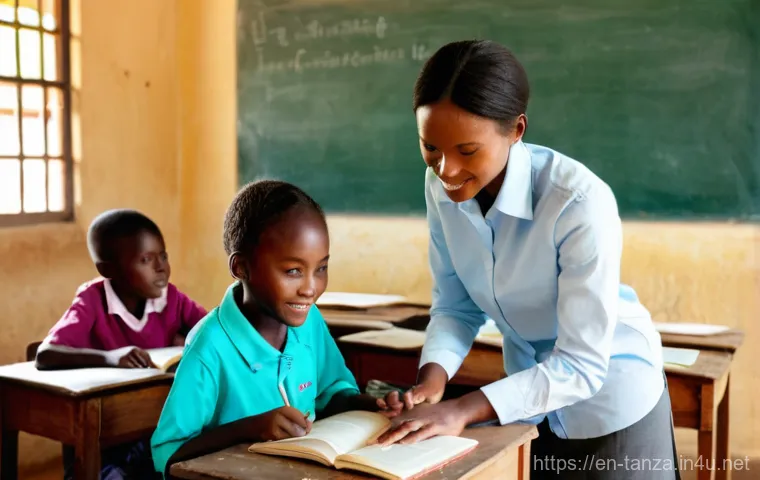
Imagine a classroom buzzing with eager young minds, sometimes with very limited resources, but overflowing with curiosity. Being able to contribute to that, whether by teaching English, assisting teachers, or helping develop educational materials, is incredibly rewarding.
Similarly, health initiatives are critical, especially in rural areas where access to medical care can be challenging. I remember helping organize a mobile clinic visit to a remote village; the gratitude on people’s faces for even basic check-ups and medications was a humbling experience.
These roles aren’t just about providing aid; they’re about sharing skills, fostering knowledge, and empowering communities to build a healthier, more educated future for themselves.
Contributing to Educational Advancement
My time assisting in a primary school, teaching basic English and math, was eye-opening. The children’s enthusiasm, despite often walking miles to get to school, was infectious.
I found myself adapting my teaching methods, using songs and games to make learning more engaging, and seeing their faces light up when they grasped a new concept was pure joy.
It’s not about replacing local teachers, but rather supporting them and bringing new perspectives. Many volunteers also help with infrastructure projects, like renovating classrooms or building libraries, which directly improves the learning environment.
This hands-on involvement gives you a unique insight into the local education system and the challenges it faces, while also allowing you to leave a tangible, lasting impact.
You’ll gain a deeper appreciation for the simple act of learning, and the incredible power it holds.
Supporting Vital Public Health Initiatives
Health volunteering can range from assisting in local clinics with basic patient care, health education workshops, to community outreach programs. I spent some time helping a team that was raising awareness about hygiene and sanitation in rural communities.
It sounds simple, but the impact of preventing common illnesses through basic education is immense. You might find yourself supporting nurses, organizing medical supplies, or even just providing a comforting presence to patients.
It’s an opportunity to apply your skills, or simply your willingness to help, in a context where it’s genuinely needed. The experience of working alongside dedicated local health professionals, who often operate with limited resources but boundless compassion, will truly inspire you.
It’s a chance to be part of a team directly improving quality of life and strengthening community health.
Navigating Your Volunteer Journey: Essential Preparations
Okay, so you’re excited, and I totally get it! But before you pack your bags, let’s talk practicalities. Preparing for a volunteer trip to Tanzania is a journey in itself, and a well-prepared traveler is a happy and effective volunteer.
The first thing I learned was that patience and flexibility are your best friends. Things might not always go according to schedule, and embracing the “pole pole” (slowly slowly) pace of life is key.
Researching reputable organizations is paramount; look for those with clear objectives, strong community ties, and transparent financial practices. I personally spent weeks digging into reviews and testimonials before settling on my program.
You’ll also need to consider visas, vaccinations (yellow fever is often required, and others like typhoid and hepatitis are highly recommended), and securing comprehensive travel insurance.
Trust me, you do NOT want to skimp on insurance when you’re thousands of miles from home. Having all your ducks in a row makes the actual volunteering experience so much smoother and allows you to focus on what truly matters: making an impact.
Choosing the Right Program for You
This is where the real fun begins – matching your passions with purpose! There are so many incredible volunteer organizations out there, each with its unique focus.
Do you dream of working with animals? Or is empowering children through education closer to your heart? Maybe you have medical skills you want to share.
Don’t just pick the first one you see; take your time. I’d suggest looking for programs that clearly outline their goals, how your contributions fit in, and what kind of support they offer both before and during your placement.
Websites like GoAbroad or Volunteer Forever can be great starting points, but always cross-reference with independent reviews. Ask about the living arrangements, food, and local transportation.
A good program will be transparent about these details, ensuring you have a realistic expectation of daily life.
Practicalities: Visas, Vaccinations, and Insurance
Let’s be honest, the administrative side can be a bit tedious, but it’s absolutely crucial. For most non-African nationals, a tourist visa is required for Tanzania, and you can often apply for it online or upon arrival, but always double-check the latest requirements well in advance of your trip.
Vaccinations are a non-negotiable part of staying safe and healthy. Beyond the mandatory Yellow Fever, consult your doctor about recommended shots for Hepatitis A and B, Typhoid, Tetanus, and Rabies.
Malaria prophylaxis is also highly advisable. As for insurance, please, please, please get a robust travel insurance policy that covers medical emergencies, evacuation, trip cancellation, and personal belongings.
I can’t stress this enough – it’s peace of mind that’s worth every penny. Also, make sure to pack appropriate clothing, keeping in mind local customs (modesty is key) and the climate, which can vary depending on the region and time of year.
The Unforgettable Cultural Immersion You’ll Experience
One of the most profound aspects of volunteering in Tanzania, for me, wasn’t just the work itself, but the deep dive into Swahili culture. It’s a vibrant, welcoming, and incredibly resilient society, and you’ll find yourself embraced by its warmth.
I remember my host family teaching me how to cook a traditional Tanzanian meal – the smells of spices, the rhythmic chopping of vegetables, and the laughter shared around the open fire.
Learning a few basic Swahili phrases, like “Jambo!” (Hello!) or “Asante sana” (Thank you very much), goes an incredibly long way in connecting with locals.
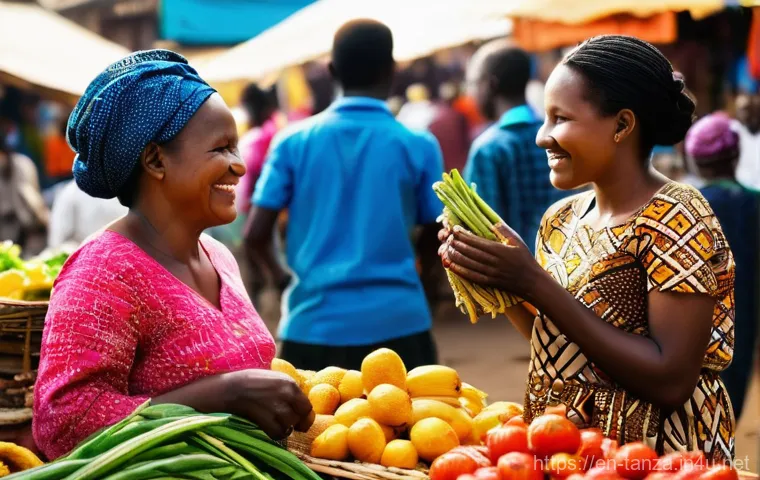
You’ll be invited to local ceremonies, witness vibrant markets, and gain a firsthand understanding of daily life that no tourist itinerary could ever offer.
This isn’t just a trip; it’s an opportunity to truly live like a local, to understand their perspectives, and to build genuine, lasting relationships.
The lessons in humility, community, and sheer joy for life will stay with you forever.
Embracing the Local Way of Life
Living with a host family, as I did for part of my stay, was an absolute game-changer. It instantly broke down cultural barriers and plunged me into the heart of Tanzanian hospitality.
From sharing meals to participating in daily chores, every moment was a learning opportunity. I learned to fetch water from the communal well, grind maize for ugali, and even haggle a bit at the local market (though I wasn’t very good at it initially!).
This kind of immersion goes far beyond what any hotel stay could offer. You’re not just observing; you’re participating. It teaches you adaptability, patience, and an incredible appreciation for different ways of living.
It also gives you a unique perspective on the challenges and triumphs of everyday Tanzanian life, which in turn enriches your understanding of the impact your volunteer work is having.
Building Bridges Through Authentic Connections
What truly defines the Tanzanian volunteer experience, in my opinion, are the relationships you forge. It’s not just about the work; it’s about the people.
I made lifelong friends with fellow volunteers from all corners of the globe, sharing stories and supporting each other through every challenge and triumph.
But even more impactful were the connections with the local community members. The children I taught, the farmers I helped, the women I collaborated with – their smiles, their resilience, and their willingness to share their lives made an indelible mark on my heart.
These aren’t just transactional interactions; they’re genuine human bonds built on shared experiences and a common goal. Breaking bread together, learning a few words of Swahili, and truly listening to their stories will open your eyes and heart in ways you never imagined.
It’s these authentic connections that transform a trip into a profound life experience.
Beyond the Project: Exploring Tanzania’s Wonders
Let’s be real, even though volunteering is the main event, you absolutely have to make time to explore the magic that is Tanzania! It would be a crime not to, wouldn’t it?
After weeks of dedicated work, a little adventure is not just deserved, it’s essential for recharging your batteries and seeing another incredible side of this country.
Tanzania is, after all, home to some of the world’s most iconic natural attractions. Whether it’s witnessing the Great Migration in the Serengeti, standing in awe before Kilimanjaro, or relaxing on the pristine beaches of Zanzibar, there’s an adventure waiting for every soul.
I managed to squeeze in a safari after my program, and seeing lions in their natural habitat, giraffes gracefully browsing, and hippos lounging in muddy pools was an absolute dream come true.
These experiences not only provide breathtaking memories but also deepen your appreciation for the natural wonders you’ve been working so hard to protect.
Safari Adventures: A Must-Do Experience
When I finished my volunteering stint, I treated myself to a few days on safari in the Ngorongoro Crater and Tarangire National Park. Honestly, no words or photos can truly capture the feeling of being surrounded by so much raw, untamed beauty.
The sheer number of animals, the vastness of the landscapes, and the incredible knowledge of the local guides made it an unforgettable experience. Imagine spotting a leopard camouflaged in a tree, or watching a family of elephants stroll past your vehicle, so close you can almost feel the rumble of their footsteps.
It’s an exhilarating complement to the volunteer work, offering a chance to see the direct beneficiaries of conservation efforts thriving in their natural homes.
This isn’t just about ticking off a bucket list item; it’s about connecting with the wild heart of Africa.
Island Escape to Zanzibar’s Shores
After the dusty plains and rewarding but intense work, I swear Zanzibar felt like stepping into paradise. The turquoise waters, the white sandy beaches, and the intoxicating scent of spices in Stone Town were exactly what I needed to unwind.
Stone Town itself is a UNESCO World Heritage site, a labyrinth of narrow alleys, bustling markets, and historical architecture that tells stories of centuries of trade and culture.
It’s a completely different facet of Tanzania, offering a serene contrast to the mainland. I spent my days swimming, snorkeling in coral reefs, and exploring the spice farms, learning about cloves, vanilla, and cinnamon.
It’s the perfect place to reflect on your volunteer journey, soak up the sun, and appreciate the incredible diversity that Tanzania offers. Trust me, it’s an ideal way to round off your adventure.
Maximizing Your Impact and Ensuring a Rewarding Stay
Volunteering isn’t just about showing up; it’s about bringing your best self, a humble heart, and a readiness to learn. I quickly realized that the most effective volunteers are those who listen more than they speak, adapt more than they demand, and commit fully to their roles, no matter how small they seem.
Before you go, spend some time researching the local culture, learn some basic Swahili phrases, and understand the specific needs of your project. This shows respect and helps you integrate seamlessly.
During your stay, be proactive, ask questions, and offer your skills where they’re genuinely needed. Remember, you’re there to support, not to take over.
Be open to new experiences, embrace challenges with a positive attitude, and don’t be afraid to step outside your comfort zone. The more you put into the experience, the more profoundly it will reward you, both in terms of the impact you make and the personal growth you achieve.
Tips for a Fulfilling Volunteer Experience
To truly make the most of your time, I’ve found a few things invaluable. First, keep an open mind and a flexible attitude. “Africa time” is a real thing, and schedules can change on a whim.
Second, engage actively with your host community. Share stories, ask questions, and try local foods. This is where the real cultural exchange happens.
Third, don’t be afraid to get your hands dirty, even with tasks that seem mundane. Every bit of effort contributes to the larger goal. Fourth, remember to take care of yourself.
Volunteering can be emotionally and physically demanding, so make sure to get enough rest, stay hydrated, and allow yourself time for reflection. Lastly, keep a journal!
Documenting your experiences, challenges, and insights will not only help you process everything but also serve as an incredible memento of your journey.
Leaving a Positive and Lasting Impression
The legacy you leave as a volunteer isn’t just in the tasks you complete; it’s in the relationships you build and the positive energy you bring. Be respectful of local customs, dress modestly, and always ask before taking photos.
Try to be self-sufficient and resourceful, reducing any burden on your host organization. Remember, you are a guest in their country and their community.
Before you leave, express your gratitude sincerely and offer constructive feedback to your program coordinators. Maintaining communication with the local contacts you’ve made, if appropriate, can also foster long-term connections and support.
The goal is to be a force for good, to contribute meaningfully, and to leave knowing you’ve made a genuine, positive difference, however small, that reverberates long after you’ve gone home.
Financial Planning for Your Tanzanian Adventure
Let’s talk money, because while volunteering is incredibly rewarding, it does come with costs. It’s an investment, really, an investment in yourself and in the communities you’ll serve.
The overall cost can vary wildly depending on the program, duration, and your personal travel style. Program fees usually cover accommodation, food, and in-country support, but don’t forget flights, visa costs, vaccinations, and personal spending money for excursions, souvenirs, and any additional treats.
I always recommend setting a realistic budget and then adding a buffer for unexpected expenses. Trust me, there will always be unexpected expenses! Looking into fundraising options, scholarships, or even crowdfunding can help alleviate some of the financial pressure.
It’s a significant commitment, but the returns on this investment – in terms of personal growth, new perspectives, and the impact you make – are truly priceless.
| Expense Category | Estimated Range (USD) | What it Covers |
|---|---|---|
| Program Fees (2-4 weeks) | $800 – $2,500 | Accommodation, meals, in-country support, project contribution |
| International Flights | $1,000 – $2,000+ | Round-trip airfare to Tanzania (varies by origin and season) |
| Visa | $50 – $100 | Tourist/Volunteer visa fees |
| Vaccinations & Medications | $200 – $700+ | Required and recommended immunizations, malaria prophylaxis |
| Travel Insurance | $50 – $200 | Medical, evacuation, trip interruption coverage |
| Personal Spending (per week) | $50 – $150 | Souvenirs, snacks, leisure activities, local transport |
| Excursions (Safari, Zanzibar) | $500 – $3,000+ | Optional trips, highly variable depending on chosen activities |
Budgeting for Your Trip
Creating a detailed budget is the first step towards a stress-free experience. Start by researching typical program fees, which can vary significantly between organizations.
Then, factor in your international flights – booking in advance and being flexible with dates can often save you a good chunk of money. Don’t forget those often-overlooked costs like visa applications, and the essential vaccinations and anti-malaria medication, which can add up quickly.
I always set aside a good amount for “miscellaneous” or “fun” money. This covers everything from grabbing a cold drink after a long day to picking up unique crafts at a local market.
Having a clear financial picture early on helps you plan, save effectively, and avoid any nasty surprises down the line, allowing you to fully immerse yourself in the experience.
Finding Funding and Sponsorship
If the costs feel a bit daunting, don’t despair! There are various avenues you can explore to help fund your volunteer adventure. Many past volunteers, myself included, have successfully used crowdfunding platforms to share their goals and raise support from friends, family, and even generous strangers.
Don’t underestimate the power of a compelling story! You can also look into specific grants or scholarships offered by volunteer organizations, universities, or charitable foundations that support international development or conservation.
Some people even organize local fundraising events, like bake sales or community clean-ups, to gather funds while also raising awareness for their cause.
It takes a bit of effort, but securing financial support can make a world of difference in turning your dream of volunteering in Tanzania into a tangible reality.
To Conclude
As our journey through the incredible world of volunteering in Tanzania comes to an end, I hope you feel as inspired and excited as I did throughout my own experiences. This isn’t just a trip; it’s a chance to immerse yourself in a culture that breathes warmth and resilience, to witness breathtaking natural beauty, and to contribute to meaningful change. Every interaction, every small task, and every challenge overcome truly reshapes your perspective and leaves an indelible mark on your heart. It’s an adventure that promises not just impact, but also profound personal growth, making it an investment in both the world and yourself that you’ll cherish forever.
Useful Information to Know
1. Embrace the “Pole Pole” Philosophy: Life in Tanzania often moves at a more relaxed pace, which locals call “pole pole” (slowly, slowly). This isn’t inefficiency; it’s a way of life that values presence over rush. Learning to adapt to this rhythm will significantly reduce any frustration and help you appreciate the journey. Don’t expect things to always run on a strict schedule; instead, find beauty in flexibility and the unexpected detours. It’s a fantastic lesson in patience that will serve you well, not just during your volunteering but also long after you return home. I remember initially struggling with delayed plans, but eventually, I started to embrace the calm, finding joy in the extra time for reflection or spontaneous conversations with locals. It truly changes your perspective on time itself.
2. Pack Smart, Not Just Light: Beyond the obvious clothes, think about practical essentials. A good quality headlamp for power outages, a reusable water bottle to reduce plastic waste and stay hydrated, and sturdy, comfortable shoes for all types of terrain are non-negotiable. Don’t forget a universal adapter, plenty of insect repellent (the good stuff with DEET!), and a basic first-aid kit with any personal medications. Culturally appropriate clothing – modest attire, especially for women – is also crucial. Light, breathable fabrics are your friend in the heat. I always brought a spare power bank; it saved me countless times when electricity was sporadic. Layering is key, as mornings and evenings can be surprisingly cool.
3. Learn Basic Swahili Phrases: Even a few simple greetings and polite phrases (“Jambo,” “Asante sana,” “Habari?”) can open doors and warm hearts. It shows respect for the local culture and genuinely enhances your interactions. Locals appreciate the effort, and it often leads to deeper, more meaningful conversations than you’d have otherwise. You’ll be surprised how quickly you pick up more when you’re immersed, and those small linguistic bridges make a huge difference in feeling connected. My host family adored it when I tried to use new words at dinner, and their encouragement motivated me to learn even more. It’s truly a gateway to cultural immersion.
4. Stay Hydrated and Health Conscious: This might seem obvious, but it’s paramount. Always drink bottled or purified water. Be mindful of what you eat, especially street food, and always ensure it’s freshly cooked and hot. Consult your doctor about anti-malarial medication and make sure you complete all recommended vaccinations well before your trip. Hand sanitizer will become your best friend! Being proactive about your health allows you to fully engage with your volunteer work and enjoy your downtime without worries. I learned the hard way that even a slight stomach bug can significantly impact your energy and ability to contribute, so prevention is definitely better than cure here.
5. Be Prepared for Emotional and Physical Challenges: Volunteering in a developing country can be incredibly rewarding, but it’s also demanding. You’ll likely encounter poverty, difficult living conditions, and situations that can be emotionally taxing. Be ready to step out of your comfort zone, show resilience, and be open to different ways of thinking and problem-solving. It’s not always easy, but embracing these challenges is where the real personal growth happens. Physical work might be part of your role, so ensure you’re in good health. I remember days that were physically exhausting and emotionally draining, but knowing I was making a tangible difference kept me going, and the camaraderie with fellow volunteers and locals was a huge source of strength.
Key Takeaways
Diving into a volunteer experience in Tanzania isn’t just about giving; it’s a profound exchange that enriches you in ways you can’t possibly anticipate. From the roar of a distant lion to the laughter of children learning English, every moment is a testament to the vibrant spirit of this incredible nation. What I truly took away, beyond the specific tasks, was a deep understanding of interconnectedness – how wildlife thrives when communities are empowered, and how individual efforts, however small, weave into a larger tapestry of positive change. You’ll return home not just with stories and photos, but with a broadened perspective, a humbled heart, and an unwavering belief in the power of human connection. This journey will challenge you, inspire you, and ultimately, transform you, etching indelible memories and lessons into your very being. It’s an investment in the world, and more importantly, an investment in yourself that pays dividends for a lifetime, reminding you of the strength in resilience and the universal language of kindness. It’s a powerful affirmation that stepping outside your comfort zone can lead to the most extraordinary discoveries, both about the world and about your own capabilities.
Frequently Asked Questions (FAQ) 📖
Q: What kinds of volunteer projects can I really get involved with in Tanzania, and how do I know my efforts will actually make a difference?
A: Oh, this is such a fantastic question, and one I always had before my own adventures! Tanzania truly offers an incredible spectrum of opportunities, catering to so many passions.
If you’re an animal lover like me, you’ll be thrilled to know that wildlife conservation is a huge one. Imagine working alongside passionate rangers, helping with anti-poaching efforts, monitoring endangered species like rhinos or elephants, or even assisting in research that contributes to preserving those breathtaking ecosystems.
It’s hands-on, often challenging, but the feeling of contributing to something so vital is unmatched. Beyond that, I’ve seen countless inspiring education initiatives – teaching English in local schools, supporting after-school programs, or even helping with infrastructure projects to build new classrooms.
And let’s not forget public health; volunteers are crucial in assisting local clinics, raising health awareness, or supporting community nutrition programs.
What truly struck me is that it’s not just about what you do, but the approach. The most impactful projects are usually run by organizations that deeply collaborate with local communities, ensuring the work is genuinely needed and sustainable.
They aren’t just dropping in and out; they’re building long-term relationships and empowering local leadership. So, when you’re looking, dig into their mission statement, read testimonials, and see how much they emphasize local partnership.
That’s usually your best indicator that your precious time and energy will truly resonate and create a lasting positive ripple.
Q: How can I make sure my volunteering truly helps the local communities and environment in Tanzania, and avoids being just “voluntourism”?
A: That’s a super important consideration, and I deeply appreciate you asking it! The last thing any of us wants is to participate in something that doesn’t genuinely benefit the people and places we’re trying to help.
From my experience, avoiding “voluntourism” really comes down to a few key things. First, research, research, research! Look for organizations that are transparent about their goals, their finances, and especially, how they involve and empower local Tanzanians in every step of their projects.
Do they have local staff in leadership roles? Are the projects community-led and demand-driven, rather than externally imposed? Second, think about your own skills.
While enthusiasm is wonderful, truly impactful volunteering often leverages specific skills, even if it’s just a willingness to learn and adapt. For example, if you’re helping with construction, are you supervised by local experts?
If you’re teaching, are you supporting local teachers rather than replacing them? Finally, and this is a big one for me, cultural immersion and respect are paramount.
Be prepared to listen more than you speak, to learn from the local culture, and to be incredibly flexible. Understand that things might operate differently than you’re used to, and that’s okay.
By choosing ethical organizations that prioritize local needs and going in with an open heart and a humble attitude, your contribution won’t just be helpful; it will be truly transformative for everyone involved, yourself included.
Q: What’s the reality of daily life like as a volunteer in Tanzania, and what will I gain personally from such an experience?
A: Oh, getting into the nitty-gritty of daily life! This is where the magic truly happens, far beyond the glossy brochures. From my own adventures, I can tell you it’s often a beautiful blend of routine, unexpected moments, and profound connections.
Your days will likely start early, perhaps with the sounds of a bustling village or the calls of distant wildlife. Depending on your project, you might be out in the field by sunrise, tending to saplings for reforestation, or greeting smiling children as you head to a local school.
Accommodation can range from shared volunteer houses to homestays with local families – which, by the way, I highly recommend for an unparalleled cultural experience!
Meals are often simple but incredibly flavorful, a chance to share stories and laughter with fellow volunteers and locals. Evenings might involve community gatherings, learning Swahili phrases, or simply reflecting under a sky bursting with more stars than you’ve ever seen.
It’s not always glamorous; there might be power outages, cold showers, or moments of cultural misunderstanding. But trust me, those challenges are part of the growth!
What you gain personally is immeasurable. You’ll develop a resilience you didn’t know you had, a global perspective that reshapes your entire worldview, and a profound appreciation for different ways of life.
The bonds you forge, not just with other volunteers but with the local people you work alongside, will be unlike any other. You’ll leave with a heart full of memories, a deeper understanding of humanity, and the incredible satisfaction of knowing you truly stepped out of your comfort zone to make a tangible difference.
It’s an adventure for your soul, truly!