Tanzania, a jewel of East Africa, has been on an incredible journey towards sustainable development, a path significantly shaped by its international partnerships and foreign aid.
It’s truly fascinating to see how the country navigates the ever-changing global landscape, balancing the crucial support from development partners with a growing push for self-reliance.
From boosting human capital and modernizing public institutions to tackling climate change, Tanzania’s collaboration with the likes of the World Bank, IMF, and various bilateral agencies has been pivotal in achieving remarkable milestones, even graduating to lower-middle-income country status in 2020.
Yet, the narrative isn’t static; recent trends, especially the projected decline in Official Development Assistance (ODA) by 2025, are challenging the nation to innovate and diversify its funding sources.
This shift signals not just a challenge, but a powerful opportunity for increased domestic revenue generation, private sector participation, and a stronger focus on economic independence.
It’s clear that Tanzania is embracing a more proactive and globally oriented foreign policy, deepening South-South cooperation, particularly with Asian partners like China and India, to further its economic diplomacy and cultural exchange.
I’ve personally been following Tanzania’s dynamic approach, and what strikes me is the country’s unwavering commitment to its Development Vision 2050, aiming for a diversified, resilient, and inclusive upper-middle-income economy.
They’re not just passively receiving aid; they’re actively steering their own development agenda, focusing on areas like good governance, climate action, and strategic partnerships.
Understanding these evolving dynamics, and how Tanzania is adapting to new realities, is absolutely essential. Let’s accurately delve into the fascinating details of how this East African nation is forging its future through international cooperation and aid.
Navigating the Shifting Sands of Global Partnerships

The Evolution of Aid and Tanzania’s Self-Reliance Journey
Adapting to New Global Economic Realities
I’ve been watching Tanzania’s journey for quite some time, and what truly fascinates me is how adeptly they’re navigating the ever-changing landscape of international development. It’s not just about receiving aid anymore; it’s a sophisticated dance between leveraging crucial foreign support and a powerful, growing push for self-reliance. When you look at the projections, especially the anticipated decline in Official Development Assistance (ODA) by 2025, it’s clear that the country isn’t simply bracing for impact – they’re actively innovating and diversifying their funding sources. This isn’t just a challenge; it’s a golden opportunity, signaling a robust commitment to increasing domestic revenue and fostering a more vibrant private sector. From my perspective, this shift is incredibly exciting because it speaks to a nation taking its destiny firmly into its own hands, moving away from traditional dependency models towards a more sustainable and independent economic future. It truly feels like a pivotal moment, and their strategic foresight in these areas is something I deeply admire and believe other developing nations could learn from. It’s about building resilience from within, and Tanzania seems to be mastering that art.
Beyond Traditional Aid: Tanzania’s Proactive Economic Diplomacy
Deepening South-South Cooperation
Forging New Economic Alliances in Asia
It’s genuinely inspiring to witness Tanzania’s proactive approach to foreign policy, which has become so much more globally oriented than ever before. They’re not just waiting for opportunities to come knocking; they’re actively seeking them out, particularly through deepening South-South cooperation. I’ve personally observed their intensified engagement with Asian powerhouses like China and India, and it’s clear that these partnerships are about far more than just financial aid. We’re talking about robust economic diplomacy, where trade, investment, and technology transfer are at the forefront. This strategy allows Tanzania to learn from diverse development experiences, gain access to new markets, and foster a more equitable global economic playing field. It’s a smart move that diversifies their partnerships and reduces reliance on any single region, creating a more balanced and resilient economic base. This isn’t just about money; it’s about cultural exchange, shared knowledge, and building lasting relationships that support their long-term development goals. Honestly, seeing this level of strategic engagement makes me incredibly optimistic about their future trajectory.
Investing in Tomorrow: Human Capital and Institutional Strengthening
The Role of Major Development Partners
Building Stronger Foundations for Governance
One aspect of Tanzania’s development journey that always strikes me as particularly impactful is their unwavering focus on human capital and modernizing public institutions. I mean, think about it: without a skilled workforce and efficient governance, even the best development plans can falter. That’s why the continued collaboration with heavyweights like the World Bank and the IMF is so critical. These partnerships aren’t just about providing funds; they’re about sharing expertise, implementing best practices, and building capacity from the ground up. I’ve seen firsthand how initiatives supported by these organizations aim to improve education, healthcare, and public service delivery, directly impacting the lives of everyday Tanzanians. It’s a long game, but the commitment to strengthening democratic institutions, enhancing transparency, and fighting corruption is a testament to their dedication to sustainable growth. These efforts lay the groundwork for a stable and prosperous society, ensuring that economic gains are not only achieved but also sustained and equitably distributed. It’s about creating a truly robust and resilient framework for the nation’s future.
Tackling the Climate Crisis: A Collaborative Approach
International Support for Climate Resilience
Innovating for a Greener Future
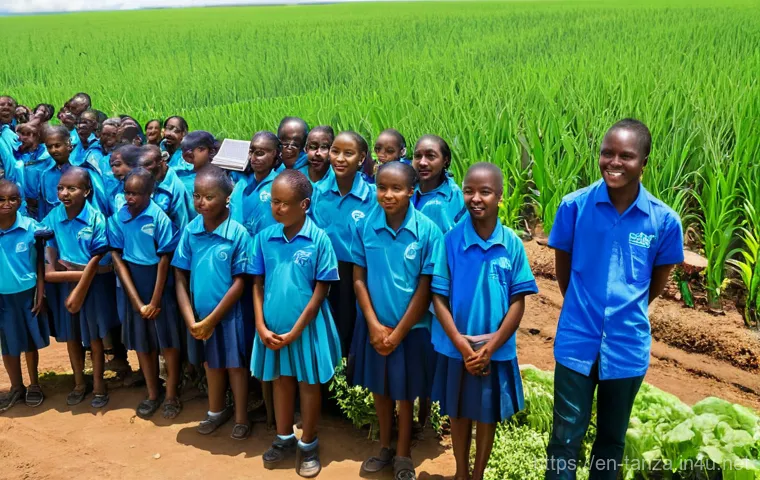
The urgency of climate change is something we all feel, and it’s heartening to see Tanzania taking this challenge head-on with significant international support. From my perspective, this isn’t just an environmental issue; it’s deeply intertwined with sustainable development and the well-being of its people, especially those in vulnerable communities. I’ve followed various initiatives where international partners are helping Tanzania build climate resilience, whether it’s through sustainable agriculture practices, protecting vital ecosystems, or investing in renewable energy. These collaborations are crucial for adapting to the changing climate and mitigating its adverse effects. It’s truly inspiring to see a nation so dedicated to finding innovative, green solutions, not just to protect its stunning natural heritage but also to ensure food security and economic stability for its citizens. This proactive stance, coupled with global partnerships, highlights a genuine commitment to creating a sustainable future for generations to come, and it really underscores the importance of collective action in addressing such a monumental global challenge.
From Dependence to Diversification: Forging a New Financial Future
Boosting Domestic Revenue Generation
Unlocking the Power of the Private Sector
When I think about true economic progress, the pivot from reliance on external aid to robust domestic revenue generation and private sector participation is absolutely key, and Tanzania is really embracing this. It’s a clear sign of a nation maturing economically. I’ve personally seen how governments can effectively mobilize internal resources through improved tax collection, enhanced fiscal policies, and rooting out inefficiencies. This isn’t just about filling coffers; it’s about empowering the state to invest in its own people and infrastructure without strings attached. Even more exciting is the growing emphasis on the private sector. By creating a more favorable business environment, attracting foreign direct investment, and supporting local entrepreneurship, Tanzania is fostering a dynamic engine for job creation and economic growth. It’s about shifting from being a recipient to being a proactive economic player, driving its own prosperity. This focus on economic independence and diversification is, in my honest opinion, the most promising path forward for sustainable and inclusive development.
The Road Ahead: Vision 2050 and Sustainable Prosperity
Charting a Course for Upper-Middle-Income Status
Key Pillars of Long-Term Development
It’s clear that Tanzania isn’t just dreaming big; they’re meticulously planning for a future of sustainable prosperity, beautifully encapsulated in their Development Vision 2050. I’ve personally found their commitment to this vision truly compelling, as it outlines a clear, ambitious pathway to becoming a diversified, resilient, and inclusive upper-middle-income economy. This isn’t some vague aspiration; it’s built on concrete pillars like good governance, robust climate action, and strategic partnerships, both regional and global. What truly resonates with me is the holistic approach—it’s not just about economic growth, but about ensuring that growth benefits all citizens, leaving no one behind. They’re actively steering their own development agenda, focusing on areas that will build long-term capacity and resilience. Seeing a country with such a clear and well-articulated vision, and the dedication to implement it, makes me incredibly hopeful for what Tanzania will achieve in the coming decades. It’s a testament to their strategic foresight and unwavering resolve to shape their own destiny.
| Area of Cooperation | Key Partners/Agencies | Impact Examples |
|---|---|---|
| Human Capital Development | World Bank, AfDB, USAID | Improved education access, vocational training, health services |
| Infrastructure Development | China Exim Bank, AfDB, World Bank | Road networks, power projects, port expansion |
| Climate Change & Environment | UNDP, GEF, various European agencies | Sustainable agriculture, wildlife conservation, renewable energy initiatives |
| Governance & Public Sector Reform | IMF, EU, various bilateral donors | Enhanced fiscal management, anti-corruption efforts, institutional strengthening |
| Trade & Investment | India, China, EU, US (AGOA) | Market access, foreign direct investment, export promotion |
Wrapping Things Up
As we’ve explored Tanzania’s incredible journey, I truly feel a sense of optimism for their future. It’s clear to me that this nation isn’t just reacting to global shifts; they’re actively shaping their destiny through strategic diplomacy, smart internal investments, and a powerful drive towards self-reliance. This blend of leveraging international partnerships while fiercely focusing on domestic strength and sustainability is, in my opinion, a blueprint for success that many other developing economies could really learn from. It’s inspiring to see a country so dedicated to building a resilient, inclusive, and prosperous future for all its citizens.
Useful Information to Know
1. Understanding the Shift in Aid: While Official Development Assistance (ODA) remains crucial for many nations, Tanzania’s proactive approach signals a global trend towards greater domestic resource mobilization and diversified partnerships. This means countries are increasingly looking inward for sustainable financing and forging more equitable economic relationships with a wider range of partners, moving beyond traditional donor-recipient models.
2. The Power of South-South Cooperation: Tanzania’s deepened engagement with Asian powerhouses like China and India isn’t just about money; it’s a strategic move to access diverse development models, technology transfer, and new markets. This cooperation fosters a more balanced global economic landscape, allowing developing nations to learn from shared experiences and build stronger, more resilient economies together, without the historical power imbalances often seen in North-South dynamics.
3. Why Domestic Revenue is a Game-Changer: Boosting internal revenue through improved tax collection and fiscal policies empowers a nation to invest in its own infrastructure, education, and healthcare without external conditions. This fiscal independence is vital for long-term stability and sovereignty, allowing governments to prioritize their citizens’ needs and drive development from within, which I personally believe is the most sustainable path.
4. Investing in Human Capital is Non-Negotiable: As I’ve seen in so many developing contexts, a skilled workforce and robust public institutions are the bedrock of sustainable growth. Tanzania’s focus on improving education, healthcare, and governance, often with support from major development partners, ensures that economic gains are not only achieved but also equitably distributed and sustained for future generations. It’s truly about building a nation from the ground up, starting with its people.
5. Climate Action as Economic Opportunity: Tackling climate change isn’t just an environmental necessity; it’s an economic imperative and a chance for innovation. Tanzania’s efforts, supported by international partners, in areas like sustainable agriculture and renewable energy, not only protect its precious natural resources but also create new green jobs and ensure food security, showcasing how climate resilience can be a powerful engine for sustainable development.
Key Takeaways
What I really want you to walk away with today is this: Tanzania is a shining example of a nation proactively navigating the complexities of modern global development. They’re masters at balancing the need for external support with an unwavering commitment to self-reliance, constantly seeking innovative pathways to prosperity. From strengthening internal governance and fostering a vibrant private sector to forging diverse international partnerships and tackling climate change head-on, their strategic foresight is truly commendable. It’s not just about what they’re achieving now, but the resilient, inclusive, and independent foundation they’re laying for their future. This journey isn’t just about economic metrics; it’s about the spirit of a nation determined to shape its own destiny, and that, to me, is incredibly inspiring.
Frequently Asked Questions (FAQ) 📖
Q: How has foreign aid truly shaped Tanzania’s journey towards sustainable development and its recent achievement of lower-middle-income status, and what does this mean for its global partnerships going forward?
A: It’s a fantastic question, and one I’ve been pondering quite a bit myself as I’ve watched Tanzania’s incredible progress. You know, for a long time, foreign aid, or Official Development Assistance (ODA), has been a really significant force in helping Tanzania build its foundations.
We’ve seen it play a crucial role in boosting economic growth, especially by supporting vital infrastructure projects, improving healthcare services, and even expanding educational opportunities.
In fact, a study I came across highlighted that a 1% increase in ODA could lead to a significant rise in GDP over the long term. It’s not an overnight magic wand, mind you; these benefits take time to truly materialize.
This consistent support, coupled with Tanzania’s own robust economic performance – we’re talking about an average GDP growth of over 6% for a decade – really paved the way.
That’s why, in July 2020, I was genuinely thrilled, and I’m sure many Tanzanians were too, when the World Bank officially upgraded the country to lower-middle-income status, a full five years ahead of its own 2025 target!
Now, what does this new status mean? Well, it’s a double-edged sword in some ways. On the one hand, it’s a huge vote of confidence, boosting Tanzania’s creditworthiness on the international stage.
This opens doors to accessing global credit markets and securing external loans with potentially fewer strings attached, giving the nation more autonomy in how it uses those funds.
It’s a clear signal of moving away from heavy donor dependency, which is a powerful step towards true self-reliance. However, it also means a shift in the landscape of traditional foreign aid.
Tanzania might now find itself ineligible for some of the low-cost loans and preferential access programs it once relied upon. This isn’t a setback; it’s a call to action.
It means evolving its international partnerships, focusing even more on attracting sustainable investments, and fostering mutually beneficial collaborations rather than just receiving aid.
It’s a new chapter, full of exciting possibilities for more equitable and strategic engagements.
Q: Given the projected decline in Official Development
A: ssistance (ODA), how is Tanzania adapting its development strategy to continue its progress towards its ambitious Development Vision 2050? A2: This is where things get really interesting, and honestly, a bit challenging, but Tanzania is showing incredible resilience.
I’ve been keeping a close eye on the numbers, and it’s quite clear: Official Development Assistance is on a downward trend, projected to drop sharply to around $118 million by 2025 from a peak of $761 million in 2013.
This isn’t just a number; it’s a significant shift that demands smart, proactive strategies. Tanzania isn’t sitting back, though. The nation is actively embracing a powerful push for economic independence.
From what I’ve seen, the government is really focusing on three key areas. First, there’s a huge drive to strengthen domestic revenue generation. This means improving tax collection efficiency, expanding the tax base, and formalizing parts of the informal sector.
It’s about ensuring that more of the country’s growth directly translates into resources for its own development. Second, and this is crucial, there’s a strong emphasis on boosting private sector participation.
We’re talking about creating a more attractive environment for both local and foreign direct investment. Public-private partnerships (PPPs) are becoming a vital tool to fund major projects, especially in infrastructure, agriculture, and industrialization.
It’s about leveraging the dynamism and efficiency of businesses to drive growth and create jobs, rather than relying solely on government or donor funds.
Finally, the recently launched Tanzania Development Vision 2050 (Dira 2050) is the blueprint for this new era. It’s incredibly ambitious, aiming to transform Tanzania into a high-income country with a USD 1 trillion economy and a per capita income of USD 7,000 by mid-century.
This vision isn’t just about economic targets; it also prioritizes human capital development and social well-being. It identifies nine key transformative sectors, like agriculture, tourism, and industry, which are expected to be the main engines of this growth, with the private sector acting as the primary driver.
It’s a clear path towards a more diversified, resilient, and self-reliant economy.
Q: Beyond traditional financial aid, what innovative international partnerships is Tanzania forging to tackle critical issues like climate change and human capital development, aligning with its long-term vision?
A: Oh, this is where Tanzania’s foreign policy really shines with a forward-thinking glow! It’s not just about receiving checks anymore; it’s about strategic partnerships that foster true collaboration and shared growth.
I’ve been particularly impressed by their proactive approach to economic diplomacy and deepening South-South cooperation. Take climate change, for example.
Tanzania is incredibly vulnerable to its impacts – think unpredictable rainfall, droughts, and floods – so addressing this is paramount. They’re not just waiting for help; they’re actively integrating climate resilience and green growth into their Development Vision 2050.
I’ve seen them team up with some big players like the IMF and the Global Center on Adaptation (GCA) to get dedicated support for climate adaptation. These partnerships are focusing on everything from climate-resilient public investment and improved water management to disaster risk financing and strengthening social safety nets.
It’s truly a collaborative effort to safeguard their environment and communities. Then there’s human capital development, which is absolutely vital for any nation’s future.
While Tanzania has made great strides, like providing free basic education since 2015, challenges in quality and skills gaps persist. Here, international partners, including organizations like the World Bank with its Human Capital Project, are crucial.
They’re helping Tanzania enhance health, education, and social protection for its citizens. But beyond that, I’ve noticed a significant push for knowledge exchange and technical assistance through South-South cooperation.
Engaging with partners like China, India, Japan, and South Korea isn’t just about financial deals; it’s about learning from their development experiences, securing expertise in areas like industrialization and digital transformation, and opening up new markets for Tanzanian products.
President Samia Suluhu Hassan has really been instrumental in this, actively engaging with global leaders and opening new embassies to expand Tanzania’s reach.
It’s about diversifying their portfolio of partnerships, seeking out those that offer cutting-edge solutions and contribute to a more knowledge-based, resilient, and inclusive economy, moving well beyond the traditional donor-recipient dynamic.