Hey there, fellow explorers and culture enthusiasts! If you’re anything like me, you’ve probably dreamt of escaping to a place where vibrant history, stunning natural beauty, and incredible sensory experiences collide.
My recent trip to the legendary Spice Island of Zanzibar was exactly that – and so much more! Beyond the breathtaking turquoise waters and the ancient whispers of Stone Town, what truly captivated my adventurous spirit were the island’s unique specialty products.
Seriously, these aren’t just souvenirs; they’re pieces of Zanzibar’s very soul, crafted with generations of tradition and infused with the island’s rich bounty.
I’m talking about everything from the world-renowned cloves and fragrant vanilla that awaken your senses, to the intricate wood carvings and vibrant textiles that tell stories of resilience and artistry.
I’ve spent time exploring the bustling markets, chatting with local artisans, and even trying my hand at a few traditional practices to bring you the inside scoop.
Discovering these authentic treasures not only supported the incredible local communities but also gave me a deeper appreciation for Zanzibar’s rich cultural tapestry.
Trust me, bringing home a piece of Zanzibar isn’t just about owning something beautiful; it’s about holding onto a memory, a scent, a story. If you’re ready to uncover the truly remarkable items that make Zanzibar so special, and perhaps even inspire your next ethical shopping spree or travel itinerary, then you’re in for a treat.
We’re about to explore these fascinating local gems in detail, and I promise you, you’ll want to add them all to your wishlist! Let’s dive deeper and uncover exactly what makes Zanzibar’s local treasures so undeniably captivating.
Unearthing the Island’s Aromatic Gold
Stepping onto Zanzibar felt like walking into a living, breathing spice cabinet. Honestly, the air itself is an intoxicating blend of cloves, cinnamon, vanilla, and so many other scents that I can’t even name them all! It was an absolute feast for the senses, and exploring the spice farms was an experience I’ll never forget. I’ve always loved cooking, but understanding where these amazing flavors come from, seeing them grow, and learning about their cultivation from the incredibly knowledgeable local farmers really deepened my appreciation. It’s not just about adding a pinch to your dish; it’s about a whole heritage.
The Whispering Fields of Cloves and More
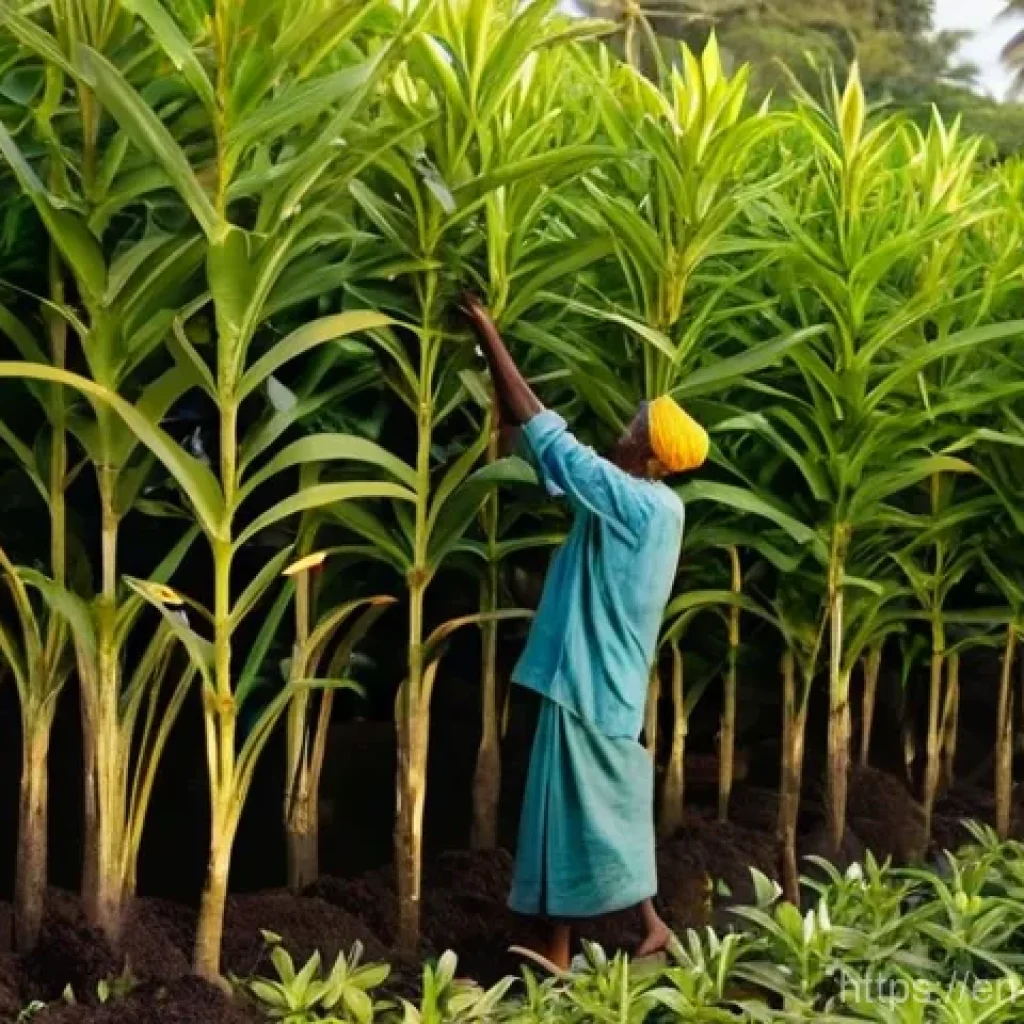
My first stop was a spice farm tour, and let me tell you, it was nothing short of magical. Imagine walking through groves of towering clove trees, their buds drying in the sun, filling the air with that iconic aroma. Our guide, Hassan, picked a fresh clove bud and had me taste it – that intense, numbing sensation was something else! He showed us how cinnamon bark is peeled, how black pepper grows on vines, and even how turmeric root is harvested. What really struck me was the sheer effort and traditional knowledge involved. These aren’t just commodity crops; they’re cultivated with a deep respect for the land and generations of inherited wisdom. I spent ages chatting with one of the women who was sorting dried spices; she told me stories passed down from her grandmother about the best times to harvest different plants. It made me realize that every spice here has a story, a history, and a touch of human connection that you just don’t get from a supermarket jar. I ended up buying several bags of fresh cloves and cinnamon sticks right there, knowing they were as authentic as they come. There’s something so satisfying about holding a handful of freshly dried cloves, knowing they came straight from the tree I just saw.
My Personal Quest for Vanilla Perfection
Vanilla, oh sweet vanilla! I’m a huge fan of baking, so finding authentic, high-quality vanilla beans was high on my list. On one of the smaller, family-run farms, I got to see vanilla orchids being hand-pollinated – a truly delicate and painstaking process. The farmer explained that each flower only blooms for a single day, so timing is everything. It takes immense dedication to produce these precious beans, and seeing the process firsthand made me understand why good vanilla is so expensive. The aroma of freshly cured vanilla beans is unlike anything else; it’s rich, complex, and utterly divine. I managed to snag a few plump, fragrant beans, and they’ve been an absolute game-changer in my kitchen back home. Seriously, the difference between these fresh beans and the extract I used to buy is night and day. Every time I bake with them, the scent takes me right back to that sunny Zanzibari farm. It was definitely one of those moments where I felt like I was connecting directly with the island’s heart, supporting a local family, and bringing home a truly special piece of their expertise.
Crafting Stories: Where Wood Meets Soul
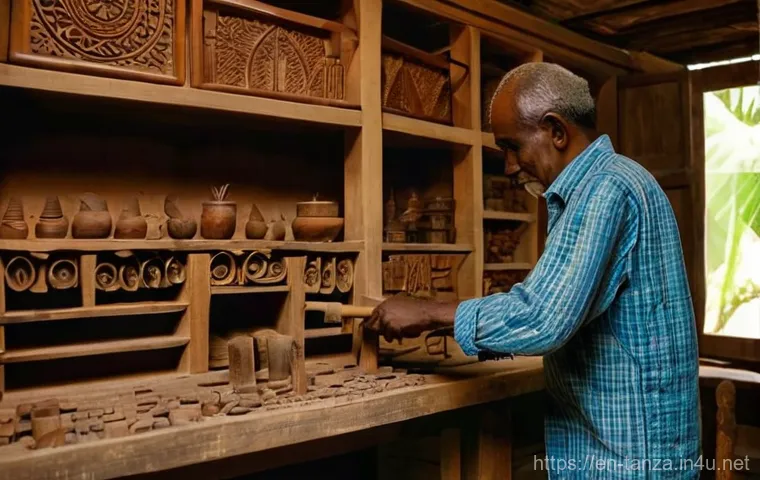
Beyond the intoxicating spices, Zanzibar’s artistic heritage truly shines through its incredible wood carvings. Wandering through Stone Town’s labyrinthine alleys, I was constantly drawn to the workshops where skilled artisans brought wood to life. It’s not just about carving; it’s about preserving stories, traditions, and the very spirit of the island in intricate patterns and powerful figures. There’s a palpable sense of history in every chisel mark, a connection to generations of craftsmen who poured their hearts into these creations. I recall one particularly cozy workshop, tucked away on a side street, where the scent of freshly cut wood mingled with the distant call to prayer. The air was thick with creativity and a quiet dedication that was truly inspiring. I remember feeling a strong pull towards one particular piece, a small, elegantly carved dhow boat, which seemed to carry the very essence of the ocean within its lines. It wasn’t just an object; it was a memory in waiting, a tangible piece of my journey.
The Intricate Dance of Carving
I spent a good hour watching a master carver, Juma, at work. His hands, weathered by years of labor, moved with such precision and grace. He was transforming a simple block of mahogany into a breathtaking chess set, each piece a miniature sculpture. He explained that many of the patterns, like the intricate floral motifs or geometric designs, carry symbolic meanings, passed down through generations. The detail was absolutely astounding – the scales on a fish, the folds in a traditional dress, the expressions on the faces of his carved figures. He even let me try my hand at a few simple cuts, which quickly proved how much skill and patience it truly takes. My attempts were, let’s just say, a bit less refined than his masterpieces! What really resonated with me was Juma’s passion; he spoke of the wood as if it had a soul, guiding his hands to reveal the beauty within. He told me how his grandfather taught him, and how he now teaches his own children. It’s more than a craft; it’s a living legacy. I was so taken by his work that I ended up commissioning a small personalized carving from him, a piece that I knew would carry a unique story and a direct connection to the artisan himself. It felt good knowing my purchase was directly supporting his family and preserving this beautiful art form.
Finding My Own Piece of History
One of the most iconic woodcraft items from Zanzibar is undoubtedly the intricately carved doors of Stone Town. They are magnificent, each one a unique work of art telling tales of the past. While I couldn’t exactly take a door home with me, I found smaller, equally captivating pieces. I stumbled upon a small gallery that featured miniature replicas of these famous doors, complete with their ornate brass studs and detailed carvings. It was there that I discovered a beautiful, hand-carved wooden chest, adorned with traditional Swahili patterns. It wasn’t just a container; it felt like a repository of secrets, a piece of old Zanzibar. The artisan, a soft-spoken woman named Amina, explained that the patterns on this particular chest represented prosperity and protection. I spent quite a while chatting with her about the different styles and meanings, and her deep knowledge truly impressed me. This wasn’t just about making a sale for her; it was about sharing her culture and craft. The weight of the wood, the smoothness of its finish, and the story behind its motifs made it an irresistible purchase. It now sits proudly in my living room, a constant reminder of the island’s rich artistic soul and the wonderful conversations I had with its creators. Every time I look at it, I can almost hear the bustling sounds of Stone Town’s markets and feel the warm Zanzibari breeze.
Weaving Dreams: Textiles That Tell Tales
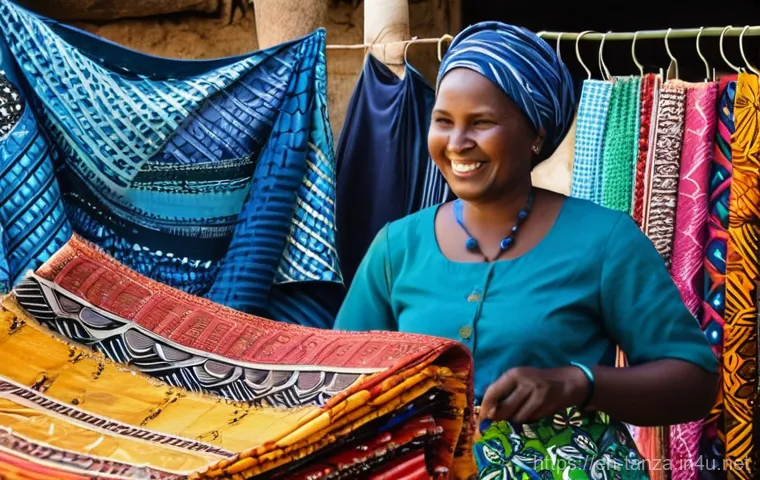
Zanzibar’s markets are a riot of color, and nowhere is this more evident than in the vibrant textiles you find everywhere. From the moment I stepped into Darajani Market, my eyes were overwhelmed in the best possible way! The sheer variety of patterns, colors, and fabrics was incredible. These aren’t just clothes; they’re expressions of culture, stories woven into cloth, and a fundamental part of daily life. I’ve always been drawn to textiles that have a history, and Zanzibari fabrics are overflowing with it. It’s not just about what you wear, but what the fabric signifies, and how it connects you to the community. I spent quite a bit of time just observing local women expertly navigating the stalls, choosing fabrics with a discerning eye for quality and meaning. There’s a certain energy in those textile sections, a buzzing atmosphere of negotiation and camaraderie that’s truly infectious. I felt an almost immediate urge to add some of that vibrant energy to my own collection.
Kanga and Kitenge: More Than Just Fabric
The kanga and kitenge are perhaps the most iconic fabrics of East Africa, and they hold a special place in my heart. Kangas are these beautiful rectangular pieces of printed cotton, often adorned with Swahili proverbs (methali) along the border. I learned that they’re not just used for clothing; women wear them as wraps, carry babies in them, use them as blankets, or even as decorative wall hangings. Each proverb offers a little piece of wisdom or a playful message, making them incredibly personal. I spent ages trying to decipher some of the sayings with the help of a friendly stall owner. Kitenges, on the other hand, are heavier, wax-printed fabrics, often featuring bolder, more intricate patterns. They’re usually sold in longer lengths and are perfect for tailoring into dresses, skirts, or even home decor. I was utterly captivated by the storytelling aspect of these fabrics. One vendor, a lovely woman named Zawadi, explained how different patterns were traditionally worn for specific occasions, or even signified a woman’s marital status. She showed me a kanga with a specific bird motif, explaining it was often given as a gift to new brides. It truly gave a deeper meaning to what might just seem like pretty fabric. I ended up buying several kangas with proverbs that resonated with me, knowing they’d be perfect as thoughtful gifts and cherished personal keepsakes.
A Splash of Color for My Wardrobe
After immersing myself in the world of kangas and kitenges, I knew I couldn’t leave without bringing some of that vibrant energy into my own wardrobe. I found a fantastic tailor in Stone Town who specialized in working with these local fabrics. We chatted for a good while about different styles, and I showed him a design I had in mind for a flowing summer dress. He took my measurements with incredible precision, and within a couple of days, I had a custom-made dress crafted from a gorgeous kitenge fabric I had chosen – a bold pattern of intertwined flowers and geometric shapes in blues and yellows. Wearing it felt incredibly special; it wasn’t just a dress, it was a wearable piece of art, imbued with the spirit of Zanzibar. It fits perfectly, and the quality of the tailoring was superb. I also picked up a few smaller items, like vibrant headscarves and some beautifully crafted fabric bags, which are not only practical but also add a wonderful pop of color to any outfit. Every time I wear my kitenge dress, I get compliments, and it instantly transports me back to the bustling markets and warm smiles of Zanzibar. It’s a way of keeping the island’s joy and artistry alive long after my trip ended, and I love that it supports local artisans directly.
Sweet Indulgences: Tastes of Zanzibar
If there’s one thing Zanzibar knows how to do, it’s tantalize your taste buds! Beyond the savory spices, the island offers an abundance of natural sweetness that’s truly unforgettable. From exotic fruits I’d never seen before to locally produced treats, my sweet tooth was in heaven. I honestly felt like a kid in a candy store, but instead of artificial flavors, everything was bursting with natural, sun-kissed goodness. I made it a point to sample everything I could, from street vendors to small family-run shops. It wasn’t just about the taste; it was about the experience of discovering these new flavors and learning about their local significance. There’s a warmth and generosity in the way Zanzibaris share their food that makes every bite even sweeter. I found myself lingering at various food stalls, eager to try the next delicious offering, always asking about the ingredients and the stories behind them. It’s a culinary adventure that truly connects you to the island’s fertile land.
Honeyed Delights and Tropical Treats
One of my absolute favorite discoveries was the local honey. It’s produced by small-scale beekeepers, often deep within the island’s lush interior, and the flavor profile is incredibly unique. Depending on what flowers the bees have been foraging on, you can find honey with notes of citrus, tropical blossoms, or even a subtle spicy undertone. I bought several jars from a vendor at a small craft market, and she explained how her family had been keeping bees for generations, using traditional methods. Each jar was slightly different, a testament to the island’s diverse flora. I’ve been enjoying it with my morning toast and in my tea, and it’s a pure taste of Zanzibar’s natural bounty. Beyond honey, the tropical fruits are beyond compare. Mangos so sweet they drip down your chin, juicy pineapples that taste like liquid sunshine, and the mysterious rambutan, which quickly became a new favorite. And don’t even get me started on the passion fruit – intensely tangy and aromatic! I made sure to grab a fresh fruit juice every single day; blended with a little ginger and lime, it was the perfect refresher after a day of exploring. I even took a cooking class where we learned to make a traditional Zanzibari dessert with coconut milk and mango, which was absolutely divine and surprisingly simple to recreate back home.
The Sweet Scent of Freshly Roasted Coffee
While often overshadowed by spices, Zanzibar also has a growing coffee culture, and finding freshly roasted beans was a real treat. I stumbled upon a tiny coffee shop in Stone Town, hidden down a narrow alley, where the rich aroma of roasting beans spilled out onto the street. The owner, a passionate young man named Rashid, sourced his beans from small farms on the Tanzanian mainland, bringing them to Zanzibar for artisanal roasting. He was so enthusiastic, telling me all about the different roasts and flavor profiles. I tried a cup of his medium roast, and it was incredibly smooth, with hints of chocolate and a subtle spiciness – the perfect way to kickstart my mornings on the island. I ended up buying a few bags of whole beans to take home, and Rashid even ground a small portion for me to enjoy during the rest of my trip. It’s been a fantastic reminder of those peaceful mornings, sipping coffee and watching Stone Town wake up. Supporting independent businesses like Rashid’s felt really good, knowing I was contributing to a small, local enterprise that’s passionate about quality. Now, every time I brew a cup, that aromatic scent takes me right back to that charming little shop, a sweet memory tucked away in every sip.
Potions and Remedies: Nature’s Pharmacy
One of the most fascinating aspects of Zanzibar, for me, was discovering the island’s rich tradition of natural remedies and wellness products. It’s truly a nature’s pharmacy! The local communities have an incredible understanding of the plants around them, passed down through generations. I wasn’t just looking for souvenirs; I was genuinely curious about their traditional uses and how these natural ingredients could contribute to well-being. My journey took me from bustling market stalls where herbalists displayed their wares to quiet conversations with villagers who shared their ancestral knowledge. It wasn’t just about what to buy, but about understanding a different way of life, a deep connection to the earth and its healing powers. I felt a real sense of trust and authenticity in these interactions, far removed from the mass-produced products we often see. I was eager to learn about the hidden benefits of these incredible plants and how they contribute to a holistic sense of wellness.
Local Herbs and Healing Secrets
During one of my spice farm tours, our guide, Amina, took us beyond the culinary herbs and introduced us to plants with medicinal properties. She showed us a specific leaf used for stomach ailments, a root traditionally brewed into a tea for colds, and even a fragrant bark believed to ward off insects. It was eye-opening! I learned about ‘mchaichai’ (lemongrass), used for soothing teas, and ‘mvuje’ (a local aloe vera variant) for skin irritations. Amina explained that these remedies are a cornerstone of traditional Zanzibari health practices, and many people still rely on them. I was particularly interested in a traditional herbal blend for relaxation, which she suggested brewing as a calming nightcap. I bought a small pouch of these dried herbs, carefully packaged and explained, from her. It felt incredibly authentic and a direct link to the island’s ancient wisdom. What struck me was the simplicity and effectiveness of these natural approaches, a stark contrast to our often over-medicalized world. I’ve tried the relaxation tea since returning, and it really does have a wonderfully calming effect, a subtle reminder of the island’s gentle rhythm.
My Discovery of Natural Skincare
My skin can be a bit sensitive, so I’m always on the lookout for natural skincare solutions. Zanzibar, with its wealth of natural ingredients, proved to be a treasure trove! I found several small shops in Stone Town selling handmade soaps, lotions, and oils, all crafted from local resources. One shop, run by a lovely woman named Fatima, particularly caught my attention. She made her own coconut oil, infusing it with local spices like vanilla and cinnamon, as well as essential oils derived from indigenous plants. I was immediately drawn to her ‘Clove & Coconut’ soap – the scent was heavenly, and she assured me it was incredibly moisturizing. Fatima explained that the coconut oil is cold-pressed, preserving all its beneficial properties, and that the cloves act as a natural antiseptic. I bought several bars of soap and a small bottle of her vanilla-infused coconut oil, which I’ve been using as a body moisturizer. My skin has never felt softer or smelled better! It’s incredible how effective these simple, natural products are. I also picked up a small container of shea butter, enriched with local moringa oil, for a deeply nourishing treatment. It felt amazing to support a local woman entrepreneur who was creating such high-quality, natural products, and it’s been a truly beneficial addition to my daily self-care routine. It’s a testament to the power of nature and the ingenuity of Zanzibari artisans.
The Art of Adornment: Jewels and Trinkets
Beyond the practical and the aromatic, Zanzibar also offers a beautiful array of personal adornments – from shimmering jewelry to colorful beaded trinkets. It’s fascinating how different cultures express themselves through personal decoration, and the island’s offerings are truly unique. I’ve always been drawn to pieces that have a story or reflect a local aesthetic, and Zanzibar did not disappoint. Walking through the markets, my eyes were constantly drawn to the glint of silver, the vibrant hues of beads, and the intricate designs that adorned various accessories. There’s a certain charm to discovering these handmade pieces, knowing that each one carries the touch of a local artisan. I truly believe that wearing something created with care and intention adds a special sparkle to your day. It’s not just about what looks pretty; it’s about carrying a piece of the island’s spirit with you, a tangible connection to the people and their craft.
From Maasai Beads to Silver Charms
While not originally from Zanzibar itself, the influence of the Maasai people from mainland Tanzania is strong, and their incredible beadwork is widely available and truly stunning. I encountered several Maasai vendors in Stone Town, their stalls overflowing with intricately designed necklaces, bracelets, and earrings, all hand-strung with tiny, vibrant beads. The patterns and color combinations are mesmerizing, each one telling a subtle story or symbolizing different aspects of Maasai culture. I spent a good while chatting with one young Maasai woman, learning about the significance of the red beads (bravery) and the blue (sky/water). I ended up purchasing a beautifully crafted multi-strand necklace in blues, reds, and blacks, a powerful piece that truly stands out. Beyond the Maasai influence, I also discovered exquisite silver jewelry crafted by local Zanzibari silversmiths. Their designs often incorporate traditional Swahili motifs or showcase semi-precious stones found locally. I found a delicate silver pendant shaped like a dhow, an iconic symbol of the island, and a pair of matching earrings. These pieces felt incredibly authentic and special, a more refined memento of my trip that I can wear every day. The craftsmanship was exceptional, showcasing the incredible talent that flourishes on the island.
A Little Sparkle to Remember My Trip
Sometimes, it’s the smaller, more accessible trinkets that truly capture the essence of a place. Beyond the more elaborate pieces, I found countless charming little treasures that were perfect for remembering my trip and sharing with friends. Think beautifully woven friendship bracelets made from colorful threads, small keychains shaped like spices or dhows, and tiny, intricately painted wooden magnets. These aren’t just mass-produced items; many are crafted by individuals or small community groups, offering a fantastic way to support local livelihoods. I picked up a handful of these vibrant bracelets, knowing they’d make perfect little gifts that carry a piece of Zanzibar’s warmth. I also found some lovely seashell jewelry – simple, elegant pieces made from shells collected from the pristine beaches. One particular find was a pair of earrings featuring polished mother-of-pearl, subtly iridescent and shimmering. It’s a gentle reminder of the island’s breathtaking coastline and the serene moments I spent by the ocean. These smaller items are not only affordable but also incredibly meaningful, each one a tiny capsule of memory. They are perfect for bringing a little bit of that Zanzibari sparkle into my everyday life and spreading some of its magic to others.
Sustainable Souvenirs: Bringing Zanzibar Home Responsibly
As much as I loved discovering all these incredible treasures, I also believe it’s super important to travel and shop responsibly. My goal was always to bring home authentic pieces that not only sparked joy for me but also genuinely supported the amazing local communities and honored the island’s resources. It’s a delicate balance, and I made a conscious effort to seek out ethical shopping opportunities. It’s about more than just a transaction; it’s about building connections, understanding the impact of your choices, and ensuring that the beauty of Zanzibar continues to thrive for generations to come. I really tried to engage with the artisans and vendors, asking questions about their crafts, where their materials came from, and how their businesses operated. That kind of interaction, I think, makes your purchases even more meaningful and ensures that your money goes directly to the people who create these wonderful items. It’s a way of making your travel footprint a positive one.
Shopping Smart, Supporting Local
My top tip for ethical shopping in Zanzibar is to seek out smaller, independent workshops and community cooperatives whenever possible. While the larger tourist shops might be convenient, you often find that buying directly from the artisans themselves means more of your money goes directly to them. For example, when I bought my custom-made kitenge dress, I went to a small tailor who worked out of his own shop, not a big boutique. Similarly, for the spices, I made sure to buy from the farmers or smaller market vendors rather than large distributors. It often meant a bit more searching and perhaps a little friendly haggling, but the experience was so much richer, and I felt good knowing I was making a direct positive impact. I also looked for products made from sustainably sourced materials. For instance, some wood carvers use reclaimed or sustainably harvested timber, which is something worth asking about. It’s about being mindful and making informed choices that benefit both the local people and the environment. Taking the time to chat with the sellers, even just a little, can tell you a lot about their practices and passion.
How to Make Your Purchase Count
Beyond where you shop, *how* you shop also matters. When buying handcrafted items, a fair price is key. While haggling is a common practice in many markets, I tried to approach it with respect and fairness, not trying to drive prices down to an unreasonable level. Remember, these artisans pour their time, skill, and heart into their work, and their livelihoods depend on it. A few extra shillings from your pocket can make a significant difference to a local family. I also made an effort to learn a few basic Swahili phrases, like “Asante sana” (thank you very much) and “Nzuri sana” (very good), which always brought a smile to vendors’ faces and helped build a connection. If you’re buying something unique, ask the artisan about their process, the materials they use, and the story behind their craft. It adds so much more meaning to your purchase and shows your genuine interest. Don’t be afraid to engage! This personal connection not only enriches your travel experience but also ensures that your purchases are truly contributing to the preservation of Zanzibar’s incredible cultural heritage and the well-being of its people. Every item I brought home feels like a piece of that connection, a reminder of the wonderful people I met and the vibrant culture I experienced.
| Zanzibar Specialty Product | Description | Where to Find | Ethical Buying Tip |
|---|---|---|---|
| Spices (Cloves, Vanilla, Cinnamon) | World-renowned for their intense flavor and aroma; essential for cooking and traditional remedies. | Spice farms (direct), Darajani Market, smaller local stalls. | Buy directly from farmers or co-ops to ensure fair prices for producers. |
| Wood Carvings | Intricate designs on chests, doors (miniatures), figures, and practical items, often depicting Swahili culture. | Stone Town workshops, small artisan galleries. | Look for artisans using sustainable wood sources or reclaimed materials. |
| Kangas & Kitenges | Vibrant, printed cotton fabrics used for clothing, wraps, and decor, often with Swahili proverbs. | Darajani Market, specialized textile shops. | Support local tailors to have custom clothing made from these fabrics. |
| Local Honey & Fruit Products | Unique honey varieties from diverse flora, and preserves/jams from exotic fruits. | Small craft markets, roadside stalls, organic food shops. | Purchase from small-scale beekeepers and family-run farms. |
| Natural Skincare (Coconut Oil, Soaps) | Handmade products using local ingredients like coconut oil, spices, and herbs for health and beauty. | Artisan shops in Stone Town, women’s cooperatives. | Look for cold-pressed oils and products made by local women entrepreneurs. |
Concluding Thoughts
Wow, what an adventure it’s been, sharing my Zanzibar journey with you! Every scent, every sound, every handmade item I brought home feels like a cherished memory, a little piece of that magical island. Honestly, before this trip, I knew Zanzibar was famous for spices, but I had no idea just how deeply connected everything was – the land, the people, the art, and the rich history. It’s an island that truly engages all your senses and leaves an indelible mark on your soul. I hope my tales of aromatic spices, intricate carvings, vibrant textiles, sweet treats, natural remedies, and sparkling adornments have given you a true taste of what makes Zanzibar so incredibly special. It’s not just a place to visit; it’s an experience to be lived, a culture to be embraced, and a community to be supported. I’m already dreaming of my next visit!
Useful Information to Know
1. Cash is King (mostly): While some larger establishments in Stone Town might accept credit cards, many local markets, street vendors, and smaller artisan shops prefer or only accept Tanzanian Shillings (TZS) or even USD. It’s always a good idea to have plenty of smaller denominations of local currency on hand for purchases and tips. You’ll find ATMs in Stone Town, but don’t rely on them being everywhere! It’s all part of the authentic experience, really.
2. Haggling is Expected (and Fun!): Especially in markets like Darajani, friendly negotiation is part of the shopping culture. Don’t be afraid to politely haggle for a better price, but always do so with a smile and respect. Remember, a few extra shillings for you might not mean much, but it can make a real difference to a local vendor. I found that learning a few basic Swahili phrases, like “Jambo” (hello) and “Asante” (thank you), really helped build rapport and often led to better deals and warmer interactions.
3. Dress Respectfully: Zanzibar is predominantly Muslim, so it’s important to dress modestly, especially when visiting religious sites or walking through Stone Town and local villages. For women, this means covering shoulders and knees. Light, breathable fabrics are perfect for the warm climate. On resort beaches, swimwear is acceptable, but always carry a cover-up for when you leave the immediate beach area. It’s about showing respect for local customs, and I found it actually made me feel more comfortable and integrated.
4. Sustainable Choices Matter: When buying souvenirs, try to choose products that genuinely support local artisans and sustainable practices. Ask about where materials come from, especially for wood carvings, and prioritize buying directly from the makers or small cooperatives. This ensures your money empowers the community and helps preserve traditional crafts. I personally felt so much better knowing my purchases directly benefited the hardworking people I met.
5. Embrace Local Transport: While taxis are readily available, consider trying a “dala-dala” (local public transport) for a truly authentic experience, especially if you’re venturing out of Stone Town. They’re incredibly affordable and a fantastic way to observe local life, though they can be crowded! For shorter distances within Stone Town, walking is the best way to explore its winding alleys. Just be ready for the bustling energy – it’s part of the charm!
Key Takeaways
Zanzibar is truly a treasure trove for anyone looking for authentic, meaningful souvenirs that tell a story. From the heady aromas of freshly harvested spices to the intricate details of a hand-carved wooden chest, each item carries the essence of the island’s rich culture and the heart of its people. My biggest advice? Engage with the local artisans, farmers, and vendors. Their passion, knowledge, and personal stories will not only enrich your travel experience but also ensure that your purchases are directly supporting their livelihoods and preserving invaluable traditions. Remember to seek out direct-from-producer opportunities, haggle fairly, and choose items made with sustainable practices. By doing so, you’re not just buying a souvenir; you’re taking home a piece of Zanzibar’s soul, contributing positively to its vibrant community, and creating memories that will last a lifetime. Every time I look at my own Zanzibari treasures, I’m instantly transported back to those sun-drenched markets and the warm, welcoming smiles of the islanders.
Frequently Asked Questions (FAQ) 📖
Q: With so many incredible things to explore in Zanzibar, what are the absolute must-have specialty products I should definitely bring home to capture the island’s essence?
A: Oh, this is such a fantastic question because picking just a few is tough when everything is so captivating! From my personal wanderings through the bustling markets and quiet artisan workshops, I’ve got a few top picks that truly embody the spirit of Zanzibar.
First off, you absolutely, positively must get some local spices. Seriously, the cloves, cinnamon, nutmeg, and especially the vanilla pods here are unlike anything you’ll find elsewhere.
I still remember the intense, warm aroma hitting me at a spice farm; it was an experience in itself! These aren’t just for cooking; they’re little vials of Zanzibar’s history and flavor.
Beyond the culinary delights, I really fell in love with the intricate wood carvings. You’ll see everything from small, beautifully detailed boxes perfect for jewelry to impressive replicas of the famous Zanzibari doors.
These aren’t just pretty; each carving tells a story, often with Swahili proverbs or traditional patterns. I picked up a small carved chest, and every time I look at it, I’m instantly transported back to the island.
And don’t forget the vibrant textiles, especially the ‘kangas’ and ‘kitenges’. They’re colorful pieces of art, often with empowering messages, and they make incredible sarongs, scarves, or even unique wall hangings.
My advice? Follow your nose and your heart! What truly connects with you is the piece of Zanzibar you’ll cherish most.
Q: I’m keen on finding authentic, high-quality local treasures and ensuring my purchases genuinely support the talented Zanzibari artisans and communities. Where are the best places to go for this?
A: That’s a truly wonderful and responsible way to approach your shopping, and it makes all the difference! From my own experience, the key to finding those genuine gems and ensuring your money goes directly to the local communities is to step away from the heavily touristed spots where possible.
Stone Town is, of course, a fantastic starting point, but don’t just stick to the main streets. Venture into the labyrinthine alleys, and you’ll discover smaller, independent shops where artisans often work right on site.
I remember chatting with a wood carver near the Old Fort, watching him meticulously craft a piece – buying directly from him felt incredibly rewarding.
Spice farms are another excellent place for spices and essential oils; many have small shops where you can buy fresh produce directly from the farmers themselves.
For textiles, look for cooperatives or smaller textile shops rather than large souvenir outlets. My top tip? Engage with the sellers!
Ask them about their craft, where their materials come from, and how long they’ve been doing it. Their stories are often as rich as the items they sell, and it’s a great way to gauge authenticity and build a connection.
It’s a much more personal and impactful shopping experience, trust me.
Q: When I’m shopping for these unique Zanzibar products, how can I be sure I’m getting an authentic item and not just a mass-produced tourist trap? What should I look out for?
A: This is such a crucial question because, let’s be honest, nobody wants to bring home something that loses its charm a week later! My biggest takeaway from my time exploring Zanzibar’s artisan scene is to pay close attention to the craftsmanship and the story behind the piece.
Mass-produced items often look uniform, lack the unique imperfections that tell a story, and sometimes feel a bit flimsy. For wood carvings, for instance, look for the intricate details, the depth of the carving, and the quality of the wood itself.
A genuine carved item will often have a unique character, perhaps a slight asymmetry that speaks of the human hand that shaped it. When I was looking at Tinga Tinga paintings, I specifically sought out artists who were painting on the spot, or whose work had a distinctive style that didn’t feel like a print.
Ask questions like, “Who made this?” or “How long did it take?” A true artisan will be proud to tell you about their work. For spices, trust your senses – truly fresh spices will have a vibrant color and an incredibly potent aroma.
Avoid pre-packaged, generic-looking spices; instead, seek out vendors where you can see and smell them before buying. And here’s a little secret I picked up: often, the best treasures are found in the less polished, more local-feeling shops, away from the main tourist drag.
They might not have fancy displays, but the quality and authenticity often shine through. It’s all about seeking out that personal touch and feeling the connection to the island’s heritage.