Tanzania has absolutely exploded onto the travel scene, becoming *the* go-to destination for so many adventurers out there, and for good reason! This vibrant East African gem is breaking all sorts of records this year, drawing in more visitors than ever, and frankly, I totally get why.
But here’s the thing I hear constantly from you amazing travelers: how do you even begin to choose between the iconic Northern Circuit and the captivating, yet often mysterious, Southern Circuit?
It’s a real head-scratcher, I know! You’re dreaming of epic wildlife, maybe even that once-in-a-lifetime Great Migration spectacle, or perhaps you’re yearning for something truly off the beaten path, an intimate encounter with raw wilderness that very few ever get to experience.
And let’s not forget the incredible push towards sustainable, eco-friendly travel we’re all seeing more of now, which adds another layer to our planning.
Having explored these landscapes myself, I’ve seen firsthand how each offers something uniquely special. Deciding between the bustling, star-studded northern parks and the remote, soulful south feels like choosing between two incredible dreams, doesn’t it?
Well, I’m here to unpack it all for you and share some insider tips that’ll make your decision a breeze. We’ll discover exactly which region aligns best with your safari style, what recent trends mean for your trip, and how you can maximize every moment.
Let’s get right into it and uncover the definitive answer!
Deciphering the Safari Heartbeat: Wild Encounters Await
It’s truly incredible, isn’t it, how Tanzania just pulls at your soul with its sheer abundance of wildlife? When I first set foot in the Serengeti, seeing those endless plains stretch out before me, dotted with thousands of wildebeest and zebras, I honestly felt my heart skip a beat.
That raw, untamed spectacle of the Great Migration in the Northern Circuit is, without a doubt, a bucket-list item for so many, and it absolutely lives up to the hype.
The Ngorongoro Crater, with its almost mythical concentration of animals, feels like stepping into a living documentary – you barely have to search to find the Big Five, and I’ve had some of my most breathtaking lion encounters right there.
It’s a high-energy, high-reward kind of experience, where every turn feels like a scene from National Geographic. But then, my mind drifts to the south, to places like Ruaha and Selous, and a different kind of magic unfurls.
There, the vastness truly takes on a new meaning. It’s not about the sheer numbers of vehicles or spotting every single megafauna in an hour; it’s about the deep, quiet immersion.
I remember one afternoon in Ruaha, tracking a pack of wild dogs for hours, just our vehicle and the bush, and when we finally found them, it felt like we’d unlocked a secret, witnessing an intimate moment that felt truly ours.
The wildlife might be a little more spread out, a touch harder to find, but that effort makes the reward so much sweeter, so much more personal. It’s less about the grand spectacle and more about the profound connection you forge with the wilderness.
The Northern Panorama: Migration and Mega-Herds
If your dream safari involves witnessing nature’s most iconic drama, the Northern Circuit, encompassing the Serengeti, Ngorongoro, Tarangire, and Lake Manyara, is undeniably calling your name.
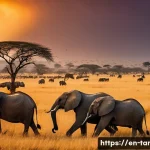
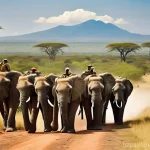
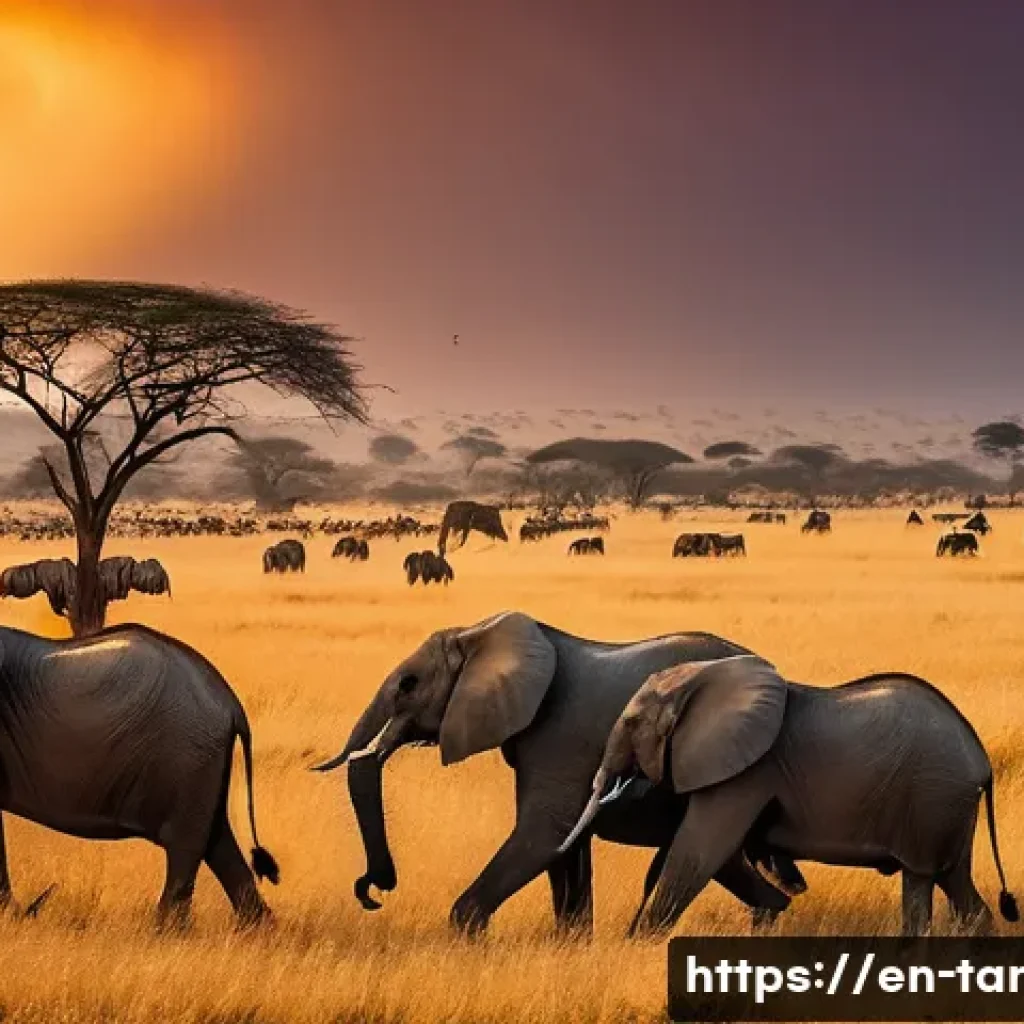
This is where you come to see the staggering scale of life: immense herds of wildebeest thundering across the plains, lion prides patrolling their vast territories, and elephants majestically traversing the baobab-studded landscapes of Tarangire.
My most vivid memories from the north often revolve around moments of sheer awe, like watching a lioness stalk her prey in the early morning light, or the profound silence broken only by the snort of a hippo in the crater.
It’s an accessible wonderland, teeming with incredible opportunities for photography and up-close encounters. The sheer volume of animals, especially during the right seasons, can be overwhelming in the best possible way, ensuring that every game drive is packed with thrilling sightings.
This region thrives on its reputation, and rightly so; it’s a living, breathing testament to Africa’s grandest wildlife stories.
Southern Secrets: Predators, Wild Dogs, and True Wilderness
Ah, the Southern Circuit – my secret solace when I crave true solitude and a deeper dive into the wild. Parks like Ruaha National Park and Nyerere National Park (formerly Selous Game Reserve) offer an entirely different rhythm.
Here, it’s not just about what you see, but how you see it. The game drives are slower, more intentional, and often, you might be the only vehicle for miles around.
This sense of exclusivity elevates every sighting. I’ve had some truly unforgettable encounters here, particularly with wild dogs – those incredibly intelligent and elusive predators – a sight that always feels like a special privilege.
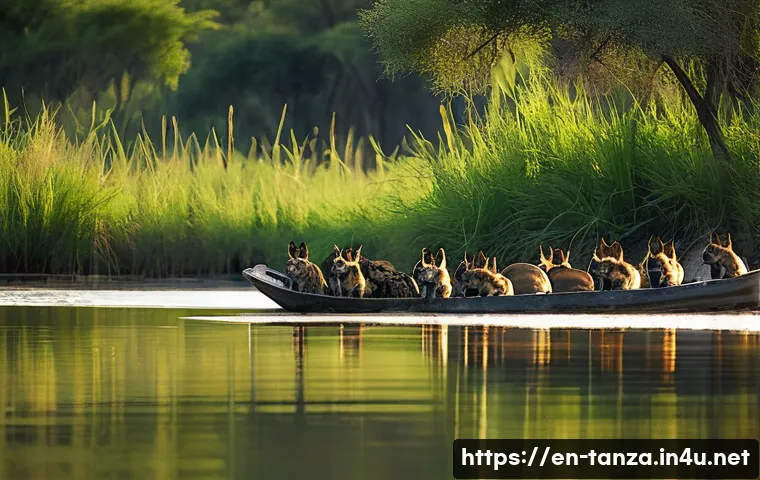
The river systems in the south, especially the Great Ruaha River and the Rufiji River, are lifelines, attracting massive concentrations of crocodiles and hippos, and providing fantastic opportunities for boat safaris, which is a unique thrill you don’t find as readily up north.
It’s a place where you learn to appreciate the subtle beauty, the intricate behaviors, and the quiet power of nature, far from the madding crowds.
Navigating the Wilderness: Crowds, Authenticity, and Intimacy
Let’s be real, part of the safari dream for many of us is that feeling of being completely alone in the wild, an intimate dance with nature. And this is where the North and South truly diverge in my experience.
The Northern Circuit, especially during peak seasons and around the Great Migration routes, can get incredibly busy. I’ve sometimes found myself sharing a spectacular lion sighting with a dozen other vehicles, and while it doesn’t detract from the wonder of the moment itself, it definitely shifts the atmosphere.
It’s still magical, absolutely, but that sense of raw, untouched wilderness can sometimes feel a bit diluted by the presence of many fellow adventurers.
However, this accessibility also means it’s easier to find companions and share costs, and the infrastructure is incredibly robust. On the flip side, the Southern Circuit is a haven for those seeking genuine solitude.
I recall days in Ruaha where we saw maybe two other vehicles the entire day, and that sense of immersion, of having a vast ecosystem all to yourself, is truly unparalleled.
It feels more rugged, more adventurous, and certainly more off-the-beaten-path. You’re delving into a part of Tanzania that fewer people experience, making every moment feel incredibly special and authentic.
This isn’t just about spotting animals; it’s about connecting with the land on a much deeper, more personal level. It’s the difference between a grand concert and an acoustic set in a hidden venue.
The Northern Buzz: Popularity and Accessibility
The Northern Circuit’s popularity isn’t by accident; it’s a testament to its spectacular wildlife and well-established infrastructure. With paved roads leading to many of the park entrances and a plethora of lodges and camps ranging from budget-friendly to ultra-luxury, it’s designed for seamless travel.
This ease of access, combined with guaranteed migration viewing at certain times of the year, means it naturally draws larger crowds. It’s fantastic for first-time safari-goers or those on tighter schedules who want to maximize their chances of seeing a lot in a shorter period.
I’ve always appreciated how straightforward it is to plan a trip here, and the shared game drives offer a great way to meet fellow travelers and hear their incredible stories.
While the crowds might be a factor for some, the sheer magnificence of what you witness often overshadows any minor inconveniences.
Southern Solitude: Embracing the Untamed
For those who dream of a truly private safari, where the only sounds are the rustling leaves and distant animal calls, the Southern Circuit delivers. Its remoteness means fewer camps, fewer vehicles, and an overall more exclusive feel.
Getting to these parks often involves light aircraft flights, adding an element of adventure right from the start. I love the feeling of touching down on a remote airstrip, knowing that true wilderness stretches for hundreds of miles around.
This circuit caters to a traveler who values quality over quantity, depth over breadth, and who isn’t afraid of a little more planning for a big payoff in terms of intimacy.
It’s where you genuinely feel like an explorer, uncovering hidden gems with every turn. The camps in the south tend to be smaller, more boutique, and often focus on walking safaris and boat safaris, allowing for different perspectives and closer encounters, deepening that sense of being a part of the landscape rather than just an observer.
Beyond the Binoculars: Your Safari Style Unpacked
Choosing your safari destination isn’t just about the animals; it’s profoundly about the kind of experience you’re chasing. Are you an adrenaline junky craving constant action and big thrills, or do you long for a slower pace, where introspection and subtle observations take center stage?
This is a question I ask myself every time I plan a new adventure, and Tanzania offers distinct answers depending on whether you go north or south. In the north, it’s often a whirlwind of game drives, moving between parks, and ticking off those incredible sightings.
The energy is palpable, almost electric, as everyone is on the lookout for that next big moment. It’s exhilarating, and I’ve had some truly heart-pounding moments following a cheetah chase across the plains.
But if you’re anything like me, sometimes you crave something more, something that engages all your senses beyond just sight. The south, with its diverse range of activities, offers exactly that.
It’s where you can step out of the vehicle and truly immerse yourself, feeling the earth beneath your feet, smelling the wild sage, and listening to the chorus of insects and birds with newfound appreciation.
It changes the entire dynamic of the safari, transforming it from an observation into a participation.
Active Adventures: Walking, Boating, and Beyond
While the Northern Circuit excels in traditional game drives, offering unparalleled opportunities to cover vast distances and witness the migration, the Southern Circuit opens up a whole new world of activities.
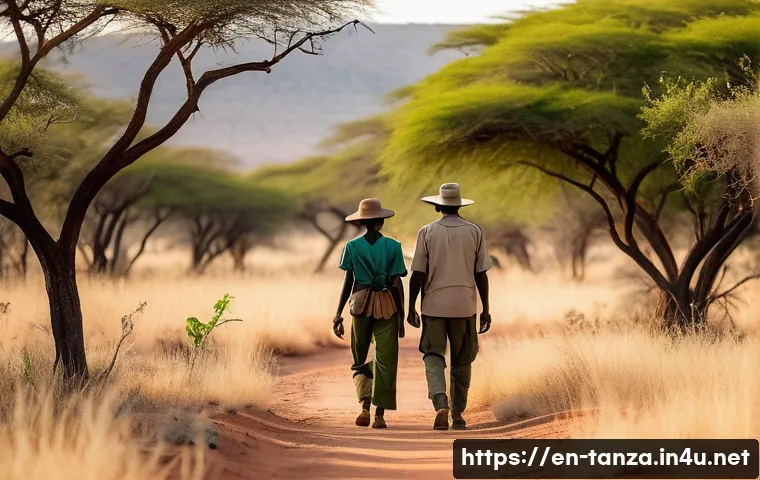
This is where I truly fell in love with walking safaris, feeling the crunch of leaves under my boots, learning to identify tracks, and discovering the smaller wonders of the bush from a ground-level perspective.
It’s a completely different kind of thrill, a quiet excitement as you walk alongside a seasoned guide, learning about the flora and fauna in a way you simply can’t from a vehicle.
Then there are the incredible boat safaris on the Rufiji River in Nyerere or the Great Ruaha River, allowing you to get up close with hippos, crocodiles, and an astonishing array of water birds.
I vividly remember a sunset boat trip where a herd of elephants came down to drink at the river’s edge, their silhouettes against the fiery sky – it was pure magic.
Some southern camps even offer fly-camping, where you sleep under the stars in a temporary, rustic camp, an experience that truly redefines “wild.”
Traditional Trails: Classic Game Drives and Photography Focus
The Northern Circuit is, without question, the epitome of the classic African game drive. With its open plains and dense wildlife concentrations, it’s a photographer’s paradise.
I’ve spent countless hours in the Serengeti, camera in hand, capturing everything from intimate portraits of a leopard in a tree to wide-angle shots of the migration.
The game driving here is efficient, often allowing for multiple sightings in a single outing, making it perfect for those who want to see as much as possible.
Most lodges and camps are perfectly positioned for early morning and late afternoon drives, maximizing those golden hours for photography. While walking safaris are available in some northern parks, they are generally less emphasized than in the south, where they are often a core part of the daily itinerary.
If your primary goal is to spend every possible moment in a vehicle, tracking and observing the iconic large mammals, the north provides an unmatched canvas.
The Great Balancing Act: Budgeting for Your Dream Tanzanian Escape
Let’s talk brass tacks, because for most of us, money is a real consideration when planning an epic trip like a Tanzanian safari. I’ve helped so many friends and fellow travelers navigate this very topic, and it’s fascinating how the costs can swing wildly between the Northern and Southern Circuits.
Generally speaking, the Northern Circuit can feel more accessible, with a wider range of accommodation options from basic campsites to luxurious tented camps, meaning you can often tailor your budget quite precisely.
The sheer volume of tours operating here means more competition, which can sometimes translate into better deals, especially if you’re open to group safaris.
However, during peak migration seasons, prices for prime locations in the Serengeti can skyrocket, and the sheer number of days required to cover multiple northern parks can add up.
My own experience has shown me that you can do a phenomenal northern safari without breaking the bank, but you need to be strategic about your timing and accommodation choices.
The south, on the other hand, tends to be perceived as more exclusive, and often, it truly is. The smaller, more intimate camps and the logistics of flying into remote airstrips typically push the price point higher.
You’re paying for that incredible solitude, that personalized service, and the unique activities like walking and boating safaris. It’s not necessarily about being “more expensive” overall, but rather about a higher entry point for a different kind of premium experience.
Northern Nuances: Variety and Value
When I think about budget flexibility, the Northern Circuit often comes to mind first. There’s an incredible spectrum of choices, whether you’re a budget traveler who dreams of camping under the stars in public campsites (which I’ve done, and it’s an adventure in itself!), or someone looking for a mid-range lodge experience, or even planning a once-in-a-lifetime stay at a lavish tented camp.
The well-developed tourism infrastructure supports this variety, making it easier to find options that align with different financial plans. Group tours are abundant, which can significantly reduce costs for transport and guiding services, making the famed Serengeti and Ngorongoro more attainable for many.
I’ve found that early booking can yield some excellent deals, especially if you’re traveling just outside the absolute peak season. Don’t let the reputation of “expensive safari” scare you away from the north; with careful planning, it can be remarkably good value for the incredible experiences it offers.
Southern Splendor: The Price of Exclusivity
The Southern Circuit, while offering unparalleled intimacy and unique activities, often comes with a higher price tag. This is largely due to the logistical challenges of operating in such remote areas – everything from supplies to staff needs to be flown in, and the camps themselves are typically smaller and more exclusive, offering a higher staff-to-guest ratio.
The cost of light aircraft transfers, which are often the primary mode of access, also contributes to the overall expense. However, what you’re paying for is truly invaluable: privacy, personalized guiding, and a genuine sense of untouched wilderness.
I always tell people that while the initial outlay might be higher, the experience you get in return is often worth every penny. It’s an investment in a truly unique and transformative journey, where the focus is on quality encounters over quantity.
If your budget allows for it, and you prioritize exclusivity and a deeper connection with nature, the south offers an extraordinary return on investment for your travel dollars.
Whispers of the Wild: When to Answer Tanzania’s Call
Timing, my friends, is everything when it comes to safaris, and Tanzania is no exception. It’s not just about when your vacation days line up; it’s about understanding the rhythm of the land, the movements of the animals, and what kind of weather you’re comfortable experiencing.
I’ve been fortunate enough to visit Tanzania in different seasons, and each visit has painted a unique picture, offering different challenges and rewards.
The popular dry season, typically from June to October, is often touted as the best time for game viewing across both circuits, as animals congregate around dwindling water sources, making them easier to spot.
However, this also coincides with peak tourist season, particularly in the north. I recall one October in the Serengeti where the game viewing was phenomenal, but the dust and the sheer number of vehicles sometimes felt a little overwhelming.
The shoulder seasons or even the green season (rainy season) can offer completely different vibes: lush landscapes, fewer crowds, incredible birdwatching, and often lower prices.
It’s about deciding what your priorities are – maximizing wildlife sightings at any cost, or perhaps valuing solitude and unique photographic opportunities over guaranteed Big Five checklists.
Northern Rhythms: Following the Migration
The Northern Circuit’s calendar is heavily dictated by the Great Migration, which is a year-round phenomenon, constantly moving between Tanzania and Kenya.
Understanding its patterns is key to planning your trip. For example, if witnessing the dramatic river crossings is high on your list, then July to October when the herds attempt to cross the Mara River is usually the target.
However, if seeing wildebeest calving is your dream, then January to March in the southern Serengeti is absolutely magical – new life bursting onto the plains is a sight that tugs at your heartstrings.
I’ve personally found the “shoulder” months, like May-June or November, to be fantastic in the north. The landscape is greener, the crowds are thinner, and you still get incredible wildlife sightings, often with the added bonus of dramatic skies for photography.
It’s about knowing what specific experience you’re chasing within the migration’s annual cycle.
Southern Seasons: Waterways and Verdant Landscapes
The Southern Circuit, while also having a dry season (June to October) that’s excellent for concentrated game viewing along the rivers, offers a different kind of appeal during the greener months.
The dry season here sees animals tightly packed around permanent water sources, making sightings quite predictable, and the heat can be intense. However, I’ve found the green season (November to May, with heavy rains typically in March-April) in the south to be absolutely breathtaking.
The landscapes transform into vibrant greens, migratory birds flock to the region, and it feels like the entire ecosystem bursts with life. While game viewing might require a little more patience as animals are more dispersed, the beauty of the scenery, the dramatic thunderstorms, and the sheer sense of rejuvenation are unforgettable.
Plus, if you’re a keen birder, this is your prime time. I’ve often enjoyed the quieter camps and the feeling of having the wilderness to myself during these months, making for a truly peaceful and contemplative safari.
Cultural Immersion and Accessibility: Bridging the Safari Experience
Beyond the thrill of spotting a leopard or watching an elephant herd lumber by, a safari for me has always been about connecting with the heart and soul of the destination.
And in Tanzania, that absolutely includes its vibrant cultures. Both the Northern and Southern Circuits offer opportunities for cultural engagement, but they manifest in wonderfully different ways, influenced by their accessibility and the communities that call these regions home.
The north, with its established tourism routes, often provides more structured and readily available cultural tours, particularly centered around the Maasai people.
I’ve visited Maasai villages and been incredibly moved by their resilience, traditions, and the welcoming spirit they extend to visitors. It’s an eye-opening experience that adds immense depth to the wildlife encounters.
The south, while perhaps less structured in its cultural offerings, provides a more organic, less commercialized connection, often through interactions with the camp staff who come from local communities.
It’s those quiet conversations around a campfire, learning about their lives and traditions, that often stick with me the most.
Northern Encounters: Maasai Villages and Artisan Markets
The Northern Circuit, especially around areas like Ngorongoro and the plains leading to the Serengeti, is famously home to the Maasai, an iconic semi-nomadic tribe.
Many tours include visits to Maasai villages, offering insights into their distinctive way of life, traditional dances, and unique attire. I’ve always cherished these visits; walking through a boma, learning about their herding practices, and even attempting to jump with the warriors (I’m still not very good at it!) provides a fascinating contrast to the wildlife viewing.
There are also opportunities to visit local markets in towns like Arusha or Karatu, where you can find beautiful handcrafted items and experience the bustling local life.
These cultural stops provide a crucial human element to the safari, allowing you to appreciate not just the natural wonders but also the rich tapestry of Tanzanian society.
It’s a fantastic way to broaden your perspective and bring home memories that extend beyond just animal sightings.
Southern Stories: Community Ties and Authentic Connections
While formal cultural tours might be less prevalent in the remote Southern Circuit, the interactions you have often feel more personal and deeply authentic.
Many of the smaller, owner-managed camps in Ruaha and Nyerere prioritize employing staff from the surrounding local communities. This creates a wonderful opportunity for genuine exchange.
I’ve spent evenings listening to guides share stories of their childhoods in the bush, learning about local folklore, and even picking up a few Swahili phrases.
These informal interactions provide a really intimate glimpse into the lives of Tanzanians and their deep connection to the land and its wildlife. It reinforces the idea of sustainable tourism, where your visit directly benefits the people who are guardians of these incredible ecosystems.
It’s a subtle but powerful form of cultural immersion, allowing you to forge connections that feel more natural and less performative, enriching your safari experience in truly unexpected ways.
| Feature / Circuit | Northern Circuit (e.g., Serengeti, Ngorongoro) | Southern Circuit (e.g., Ruaha, Nyerere) |
|---|---|---|
| Primary Wildlife Appeal | Great Migration, Big Five in high concentrations, iconic plains game. | Wild dogs, larger lion prides, unique antelope species, exceptional birdlife, riverine species (crocs, hippos). |
| Crowd Levels | Higher, especially during peak seasons and migration hotspots. | Significantly lower, offering a more exclusive and private experience. |
| Main Activities | Classic game drives, hot air balloon safaris (Serengeti), crater drives. | Walking safaris, boat safaris, fly-camping, traditional game drives. |
| Accommodation Options | Wide range: budget camping to ultra-luxury lodges, larger camps. | Fewer, typically smaller, more intimate and exclusive tented camps. |
| Best Time to Visit | Dry season (June-Oct) for migration river crossings; Jan-Mar for calving. | Dry season (June-Oct) for concentrated game; Green season (Nov-May) for birding & lush landscapes. |
| Overall Vibe | Grand spectacle, vibrant, action-packed, classic safari. | Intimate, remote, adventurous, deeper wilderness immersion. |
Crafting Your Perfect Itinerary: Making the Final Choice
So, after diving deep into the distinct charms of Tanzania’s Northern and Southern Circuits, the big question remains: which one is *your* perfect match?
This is where your personal safari dreams truly come into play. I’ve seen countless travelers struggle with this decision, and it’s a good struggle to have, because it means you’re choosing between two extraordinary options.
It ultimately boils down to what you prioritize. Are you picturing yourself amidst a vast herd of wildebeest, capturing that iconic migration shot, and enjoying the lively camaraderie of fellow adventurers?
Then the Northern Circuit, with its unparalleled wildlife spectacles and diverse infrastructure, is likely calling your name. It offers that classic, quintessential safari experience that so many dream of.
But if your heart yearns for something more secluded, a slower pace where the rustle of leaves and the distant call of a lion are your only companions, where you can walk through the bush and truly feel the earth beneath your feet, then the Southern Circuit will undoubtedly steal your soul.
It’s for the traveler who seeks intimacy, exclusivity, and a profound, personal connection with an untamed wilderness. There’s no right or wrong answer here, only the answer that resonates most deeply with your own spirit of adventure.
The Northern Nomad: If Iconography is Your Goal
If your vision of an African safari includes all the iconic imagery you’ve ever dreamed of – the Great Migration, the Big Five, vast open plains teeming with life – then setting your sights on the Northern Circuit is probably the best decision.
This region is a powerhouse of wildlife viewing, offering almost guaranteed spectacular sightings, especially during specific seasons. It’s ideal for first-time safari-goers, families, and anyone who wants to experience the grandeur of East African wildlife in a relatively structured and accessible way.
I’d recommend it if you have a shorter timeframe but want to maximize animal encounters, or if you’re keen on experiencing those famous hot air balloon rides over the Serengeti at dawn.
The sheer volume of animals, coupled with excellent guiding and a wide array of accommodation, makes for an unforgettable, high-impact adventure that truly delivers on the “wow” factor.
It’s a vibrant, exciting choice for those who love a bustling, awe-inspiring journey.
The Southern Seeker: For Intimacy and Unique Perspectives
For those with a more adventurous spirit, perhaps a second-time safari-goer, or anyone who truly craves solitude and unique activities, the Southern Circuit is a hidden gem waiting to be discovered.
If the idea of fewer vehicles, more personalized service, and the thrill of tracking animals on foot or exploring by boat excites you, then look no further.
This region offers a deeper dive into the wilderness, focusing on the quality of encounters rather than just the quantity. It’s perfect for photographers who appreciate dramatic landscapes and unique angles, birdwatchers seeking rare species, or travelers who simply want to disconnect from the modern world and immerse themselves in the quiet power of nature.
While it often requires a larger budget and a bit more planning, the rewards in terms of exclusivity, authenticity, and profound connection are immeasurable.
It’s a journey for the soul, a truly transformative experience that will leave you with a sense of wonder and peace.
Concluding Thoughts
As we wrap up this incredible journey through Tanzania’s wild heart, I hope you feel a little closer to deciding which safari adventure calls to you. Whether it’s the grand spectacle of the Northern Circuit or the secluded intimacy of the South, one thing is certain: Tanzania offers an unparalleled connection to nature that will stay with you long after you’ve left its golden plains. Trust your instincts, embrace the adventure, and prepare to be utterly captivated by this magical land.
Useful Tips for Your Tanzanian Safari
1. Book Your Safari Well in Advance: Especially if you’re aiming for peak season or specific migration timings in the Northern Circuit, popular camps and reputable guides get booked up quickly. Planning ahead ensures you get your first choice and often better rates, giving you peace of mind as your trip approaches. My personal experience has taught me that waiting too long can mean missing out on those perfect dates or the ideal camp.
2. Pack Smart, Not Heavy: Think layers and practical gear. Lightweight, breathable clothing in neutral colors (khakis, greens, browns) is ideal for game drives. Don’t forget a wide-brimmed hat, good sunglasses, a quality pair of binoculars (a game-changer!), and a durable camera with extra batteries. Trust me, you’ll thank yourself for that extra battery when a lion suddenly appears! I once ran out of battery at a critical moment and vowed never to repeat that mistake.
3. Consider Comprehensive Travel Insurance: While we all hope for smooth sailing, unexpected things can happen. Comprehensive travel insurance covering medical emergencies, trip cancellations, and lost luggage is an absolute must for an international adventure like a safari. It’s a small investment for significant peace of mind, allowing you to relax and fully immerse yourself in the experience knowing you’re covered should anything unforeseen occur.
4. Embrace the Early Mornings: Safari life starts early, and for good reason! The coolest parts of the day, dawn and dusk, are when animals are most active and the light for photography is simply divine. Dragging yourself out of bed before sunrise might feel tough at first, but witnessing a leopard on the hunt or a sunrise over the plains is an unforgettable reward that truly makes those early starts worth every moment. I’ve found these quiet morning hours to be some of the most magical.
5. Stay Hydrated and Protect Yourself: The African sun can be intense. Always carry plenty of water during game drives, and apply high-SPF sunscreen regularly. Also, consult your doctor well before your trip about necessary vaccinations and malaria prophylaxis. Being prepared health-wise ensures you can fully enjoy every incredible moment without any worries. It’s better to be safe than sorry, and a little planning goes a long way in ensuring a comfortable and healthy trip.
Key Takeaways
Ultimately, your Tanzanian safari choice between the Northern and Southern Circuits hinges on your personal preferences and what kind of adventure truly resonates with your soul. The North offers grand spectacles, high animal concentrations, and a vibrant, classic experience ideal for first-timers and iconic wildlife photography. The South, conversely, provides profound intimacy, fewer crowds, unique activities like walking and boating safaris, and a deeper, more adventurous connection with the untamed wilderness. Both promise unforgettable encounters, but their “heartbeats” truly resonate with different kinds of explorers, offering distinct rhythms to your African dream. Factor in your budget, desired activities, and how much solitude you crave to pinpoint your perfect adventure – because either way, Tanzania will capture your heart.
Frequently Asked Questions (FAQ) 📖
Q: I’m planning my first safari to Tanzania and my heart is set on seeing the iconic Great Migration and getting those classic, postcard-perfect wildlife shots. Which circuit should I lean towards, the Northern or the Southern, for that quintessential safari experience?
A: Oh, I absolutely get this question all the time, and it’s such a fantastic starting point for any Tanzania adventure! If you’re dreaming of witnessing the majestic Great Migration, picturing those vast herds crossing the plains, and ticking off the “Big Five” with relative ease, then darling, the Northern Circuit is practically calling your name.
From my own experiences, it’s truly where the magic happens for those iconic moments. We’re talking about the Serengeti, which is just… immense and teeming with life, and of course, the Ngorongoro Crater, an almost unbelievable natural wonder where wildlife concentrations are simply off the charts.
You’ll also explore Tarangire National Park, famous for its colossal elephant herds, and the tree-climbing lions of Lake Manyara. This circuit is incredibly well-developed, meaning there’s a wide range of accommodation options, from super luxurious lodges to more budget-friendly tented camps, making it accessible for almost everyone.
The infrastructure is robust, safaris are typically done in comfortable 4×4 vehicles, and the chances of seeing a spectacular array of animals are incredibly high.
It’s truly the full package for a first-timer who wants that classic, awe-inspiring East African safari. You’ll leave with a camera roll full of incredible memories, trust me!
Q: I’ve done a safari or two before, and this time I’m really craving something different – less crowded, more intimate, and a bit more off-the-beaten-path. I’m thinking raw wilderness, unique activities, and truly connecting with nature without the typical tourist throngs. Does the Southern Circuit deliver on that kind of adventure?
A: You, my friend, are speaking my language! For seasoned safari-goers like us who yearn for that deeper, more exclusive connection with the wild, the Southern Circuit is an absolute revelation.
I remember my first time in Ruaha; it felt like stepping into a different world – vast, rugged, and profoundly untouched. The Southern Circuit, encompassing gems like Ruaha National Park and the massive Nyerere National Park (formerly Selous Game Reserve), offers a completely different vibe.
It’s less about checking off a list and more about immersing yourself in the untamed. Here, you’ll find significantly fewer vehicles, meaning sightings often feel incredibly personal, like you’ve stumbled upon a secret.
What truly sets the south apart are the unique activities: think thrilling walking safaris that let you feel the earth beneath your feet and understand the smaller ecosystems, or incredible boat safaris on the Rufiji River where you can watch hippos and crocodiles from a completely new perspective.
Imagine drifting past an elephant herd coming to drink at sunset – it’s just breathtaking. The camps here tend to be smaller, more intimate, and often more focused on sustainable practices, really enhancing that sense of being a part of something special and remote.
If you’re looking to truly unplug, embrace a sense of pioneering adventure, and experience genuine raw African wilderness away from the crowds, the south is absolutely your calling.
Q: With all the talk about sustainable travel and making conscious choices, how do recent trends in eco-tourism and even budget considerations play into choosing between Tanzania’s Northern and Southern Circuits?
A: That’s a super important and incredibly relevant question, especially with how mindful we’re all becoming about our travel choices! From what I’ve seen, both the Northern and Southern Circuits are making strides in sustainable tourism, but they do offer different nuances.
The Southern Circuit inherently leans more into eco-conscious travel simply because its parks are less visited. This means a smaller human footprint, more intimate camps that often run on solar power, and a greater emphasis on conservation efforts that benefit the local communities directly.
If you’re looking for a safari where your presence feels less impactful and more integrated, the Southern Circuit often delivers that through its smaller operations and focus on low-density tourism.
Now, regarding budget, it’s fascinating because it’s not always as straightforward as it seems. On a per-day basis, the Southern Circuit can sometimes appear more expensive.
Why? Because the lodges are often more exclusive, and the logistics (flights to more remote airstrips) can add up. However, what you’re paying for is that incredible exclusivity and the unique, uncrowded experience.
You’re getting immense value for the intimacy and the high guide-to-guest ratio. The Northern Circuit, on the other hand, offers a much wider range of budget options.
You can find everything from very luxurious lodges to more mid-range tented camps and even group tours that can significantly bring down the per-person cost, especially if you’re traveling with friends or family.
It’s more accessible for various price points, which is a huge plus for many travelers. While it does see more visitors, many operators in the Northern Circuit are also deeply committed to sustainability, engaging in community projects and ethical wildlife viewing.
So, it really boils down to your personal values: are you prioritizing a lower overall trip cost with more options for iconic sights, or are you willing to invest a bit more per day for unparalleled solitude and a deeply integrated eco-experience?
Either way, research your tour operator carefully to ensure they align with your sustainable travel goals!