7 Fascinating Ways to Experience Maasai Culture in Tanzania Like a Local

webmaster

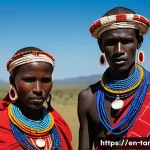
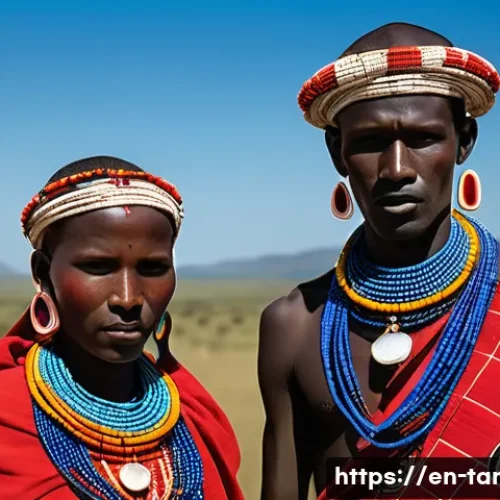
탄자니아의 마사이족 문화 - A vibrant portrait of Maasai men and women dressed in traditional shúkà cloth featuring bright reds,...

The Maasai people of Tanzania are renowned for their vibrant culture and deep connection to their land. Their traditions, from distinctive clothing to intricate beadwork, tell stories passed down through generations.

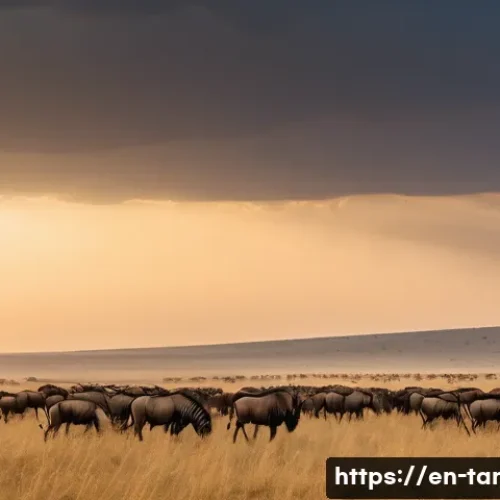
탄자니아의 마사이족 문화 관련 이미지 1

Living mostly as semi-nomadic pastoralists, the Maasai maintain a unique lifestyle that balances modern influences with age-old customs. Their social structures and ceremonies offer fascinating insights into resilience and community spirit.

Join me as we dive deeper into the rich heritage and daily life of the Maasai—let’s uncover the details together!

Expressions of Identity Through Attire and Ornamentation

Clothing as a Canvas of Meaning

The colorful shúkà cloth worn by the Maasai is more than just clothing—it’s a vivid declaration of identity and belonging. Often dyed in bright reds, blues, and checkered patterns, these garments serve practical purposes such as protection from the sun and thorny bushes.

But beyond utility, the colors carry symbolic weight; red, for example, is closely tied to bravery and the life-giving blood of cattle, which are central to Maasai life.

Wearing a particular pattern or style can indicate age group, social status, or even specific clan affiliations. Walking among the Maasai, you quickly realize that their clothing tells a story as rich and complex as their oral traditions.

Beadwork: Stories in Every Strand

Beadwork among the Maasai is an intricate craft passed down through generations, primarily created by women. Each bead color has a specific meaning—white beads symbolize purity and health, blue represents energy and the sky, while green reflects nourishment and land fertility.

These beads are woven into elaborate necklaces, bracelets, and headpieces, often layered to create striking patterns that celebrate milestones such as coming of age, marriage, or warrior status.

Observing these handcrafted pieces up close reveals a delicate balance of artistry and cultural symbolism, making every accessory a unique personal and communal narrative.

Adornment and Social Messaging

Beyond aesthetics, adornment functions as a nonverbal communication system within Maasai society. For instance, the length and style of earrings can indicate a person’s age and gender roles, while certain bead arrangements are reserved for elders or respected warriors.

The act of wearing these adornments daily reinforces social cohesion and respect for tradition. Having spent time in Maasai villages, I noticed how newcomers are welcomed through gifting of beadwork, a gesture that instantly bridges cultural divides and shows acceptance into the community fabric.

Advertisement

Living with the Land: Pastoral Traditions and Adaptations

Nomadic Practices Rooted in Survival

The Maasai’s semi-nomadic lifestyle is a dynamic dance with the environment. Moving their herds across vast plains, they follow seasonal patterns to find fresh grazing lands and water sources.

This mobility is essential for sustaining their cattle, which represent wealth, food, and social standing. What’s fascinating is how these movements are planned carefully to avoid overgrazing and conflict with neighboring groups.

I found it remarkable how the Maasai’s intimate knowledge of the land allows them to thrive in harsh climates where many others struggle.

Balancing Tradition with Modern Challenges

While pastoralism remains central, the Maasai have also adapted to contemporary pressures like climate change and government policies restricting grazing lands.

Some families are integrating crop farming or engaging in tourism-related enterprises to supplement their livelihoods. This blend of old and new is not without tension; elders often emphasize preserving customs, while younger generations look for innovative ways to survive economically.

Conversations with community members revealed a shared pride in maintaining cultural identity despite these changes.

The Role of Cattle Beyond Economy

Cattle are the heart of Maasai culture, transcending mere economic value. They are central to rituals, social transactions, and even spiritual beliefs.

For example, a bride price paid in cattle symbolizes the union of families, and cattle sacrifices are part of ceremonies seeking blessings or healing.

This deep reverence creates a bond between the people and their animals that feels almost sacred. Witnessing a traditional ceremony, I was struck by the profound respect and gratitude expressed toward the cattle, underscoring their irreplaceable role in Maasai life.

Advertisement

Community Bonds and Social Structure

Age Sets and Responsibilities

Maasai society is organized around a system of age sets—groups of people initiated together who progress through life stages collectively. This structure dictates roles and responsibilities, from warriorhood to elder council membership.

The transition rituals marking these stages are elaborate and significant, reinforcing group solidarity and individual identity. I recall attending a coming-of-age ceremony where the sense of unity among the initiates was palpable; it was a powerful testament to the strength of social bonds cultivated over centuries.

Leadership and Decision-Making

Leadership within Maasai communities tends to be decentralized yet highly respected. Elders form councils that guide communal decisions on everything from conflict resolution to resource management.

Their wisdom, accrued through years of experience, is valued above all. Interestingly, while men typically hold these roles, women also exert influence, especially through kinship networks and social ceremonies.

My conversations with local leaders highlighted how this system fosters accountability and cohesion, crucial for managing communal life sustainably.

Collective Ceremonies as Social Glue

Gatherings such as weddings, rites of passage, and festivals are more than celebrations—they are the glue that holds the community together. These events provide opportunities for storytelling, reaffirming values, and renewing social ties.

The energy during these occasions is infectious; drumming, singing, and dancing bring everyone into a shared rhythm of belonging. Having joined such festivities, I felt deeply connected not just to the people but to the continuity of their culture, alive and thriving.

Advertisement

Language and Oral Traditions as Cultural Pillars

The Power of Maa Language

Maa, the language spoken by the Maasai, is a vibrant vessel of their worldview. Rich in proverbs, songs, and idiomatic expressions, it conveys nuances of social relations, history, and spirituality.

Oral fluency is highly prized, and storytelling sessions often last late into the evening. I was fascinated by how stories about ancestors and natural phenomena are woven seamlessly into daily conversation, reinforcing lessons and collective memory.

Storytelling: More Than Entertainment

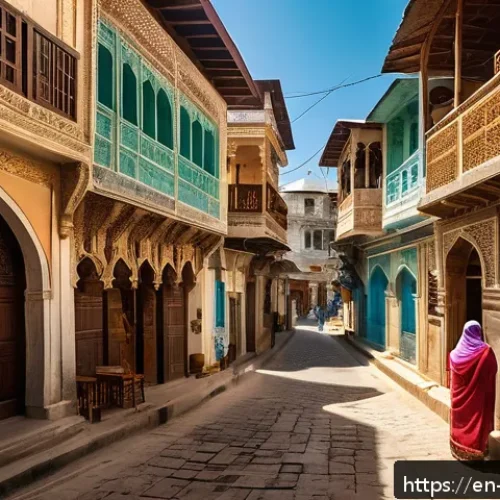
탄자니아의 마사이족 문화 관련 이미지 2

Storytelling among the Maasai is a dynamic art form used to educate, entertain, and preserve heritage. Tales often revolve around heroic deeds, moral lessons, or explanations of natural events.

These narratives are performed with dramatic gestures and vocal variations, capturing listeners’ imaginations. From personal experience, sitting around a fire and listening to elders recount these stories felt like stepping into a living archive where past and present meet.

Passing Knowledge Across Generations

Education in Maasai culture traditionally occurs through apprenticeship and observation rather than formal schooling. Children learn skills, values, and history by participating in daily activities and listening to elders.

This immersive approach ensures cultural continuity and practical competence. During my time in the community, I observed how this informal education fosters respect, responsibility, and a strong sense of identity among youth.

Advertisement

Spiritual Beliefs and Rituals Interwoven with Daily Life

Connection to the Divine and Nature

The Maasai worldview is deeply spiritual, with a belief in Enkai, a deity associated with rain and blessings. Spirituality is not separate from daily life but integrated into every action, from herding to ceremonies.

Prayers and offerings are common practices aimed at maintaining harmony between people, animals, and the environment. Experiencing this firsthand, I noticed how spirituality provides comfort and guidance amid life’s uncertainties.

Rituals Marking Life’s Milestones

Important life events such as birth, initiation, marriage, and death are marked by elaborate rituals involving specific prayers, dances, and sacrifices.

These rites reinforce social bonds and ensure the individual’s transition is acknowledged by the community and spiritual world. Participating in such ceremonies gave me a profound appreciation for the Maasai’s holistic approach to life, where every stage is honored with meaning and ceremony.

Healing Practices and Traditional Medicine

Traditional healing remains vital within Maasai communities, relying on herbal remedies, spiritual rituals, and the knowledge of medicine men and women.

Illness is often seen as an imbalance requiring both physical and spiritual treatment. Observing a healing session, I was struck by the patience and respect involved, and how these practices coexist alongside modern healthcare, offering a complementary approach to wellness.

Advertisement

Economic Adaptations and Contemporary Challenges

Tourism as a Double-Edged Sword

Tourism has become a significant source of income for many Maasai, with cultural tours, beadwork sales, and performances attracting global visitors. While this brings financial benefits and opportunities for cultural exchange, it also raises concerns about commodification and authenticity.

From my conversations with Maasai entrepreneurs, it’s clear that finding a balance between sharing culture and preserving its integrity is an ongoing challenge.

Education and Youth Aspirations

Access to formal education has increased among Maasai youth, opening doors to new careers and lifestyles. However, this shift sometimes creates tensions between traditional roles and modern ambitions.

Many young people I spoke with expressed pride in their heritage but also a desire to pursue opportunities beyond pastoralism, reflecting a complex negotiation between past and future.

Environmental Pressures and Resource Management

Environmental changes such as droughts and land encroachment threaten the Maasai’s traditional way of life. Community initiatives focused on sustainable grazing, water conservation, and wildlife coexistence are emerging responses to these pressures.

Witnessing local efforts firsthand, I was impressed by the resilience and creativity shown in adapting age-old practices to safeguard both culture and environment.

Aspect Traditional Practice Modern Adaptation Significance
Clothing Shúkà cloth in symbolic colors Incorporation of contemporary fabrics and styles Identity, protection, social status
Livelihood Semi-nomadic cattle herding Crop farming, tourism, small business Economic survival, cultural continuity
Social Structure Age sets and elder councils Integration with formal governance Community cohesion, leadership
Education Oral apprenticeship Formal schooling Knowledge transmission, youth empowerment
Spirituality Rituals and offerings to Enkai Coexistence with modern religions Harmony with nature, cultural identity
Advertisement

Conclusion

The Maasai culture offers a rich tapestry of traditions woven through clothing, social structures, spirituality, and adaptation to modern challenges. Their deep connection to land, community, and heritage shines through every aspect of daily life. Experiencing their world reveals not just survival, but a vibrant expression of identity that continues to evolve with resilience and pride.

Advertisement

Useful Information to Remember

1. Maasai attire, especially the shúkà cloth and beadwork, carries deep symbolic meanings tied to identity, status, and cultural values.

2. The semi-nomadic lifestyle centers on sustainable cattle herding, balanced carefully with environmental awareness and seasonal migrations.

3. Age sets and elder councils structure social roles, guiding leadership and community decision-making with respect for tradition.

4. Oral traditions and the Maa language serve as vital tools for education, preserving history, and reinforcing social cohesion.

5. Modern influences like tourism, formal education, and environmental pressures challenge the Maasai, but their adaptability helps maintain cultural continuity.

Advertisement

Key Takeaways

The Maasai exemplify a dynamic blend of tradition and modernity, where identity is expressed vividly through attire and social customs. Their pastoral lifestyle is intricately tied to the land, requiring careful balance between survival and preservation. Community bonds forged through age sets and rituals sustain social harmony, while oral traditions keep their rich heritage alive. Despite contemporary challenges, the Maasai’s resilience and cultural pride ensure that their unique way of life endures and adapts thoughtfully to the future.

Frequently Asked Questions (FAQ) 📖

Q: What is the significance of the Maasai’s beadwork and clothing in their culture?

A: The Maasai’s beadwork and clothing are much more than decorative; they are a vibrant language of identity and tradition. Each color and pattern holds symbolic meaning—red often represents bravery and unity, while blue can symbolize energy and the sky.
Wearing specific bead patterns can indicate age, social status, or even marital status. From my experience learning about their culture, this intricate artistry is a living storybook passed down through generations, reflecting both personal milestones and communal values.

Q: How do the Maasai balance their traditional lifestyle with modern influences?

A: The Maasai have managed to maintain a semi-nomadic pastoralist lifestyle despite increasing exposure to modern society. While some have adopted contemporary education and technology, many still rely heavily on cattle herding, which is central to their economy and social life.
What strikes me most is how they selectively integrate modern tools—like mobile phones for communication or solar panels for electricity—without losing their deep-rooted connection to the land and customs.
It’s a delicate balance that showcases resilience and adaptability.

Q: What are some key ceremonies that highlight the Maasai’s community spirit?

A: Maasai ceremonies are rich with symbolism and play a crucial role in reinforcing community bonds. For example, the Eunoto ceremony marks a young warrior’s transition to elder status, filled with singing, dancing, and blessings that emphasize responsibility and unity.
Another vital ritual is the Enkipaata, a rite of passage for boys entering warriorhood. These ceremonies are deeply communal events that not only celebrate individual growth but also strengthen the social fabric, something I found deeply moving when witnessing firsthand.

📚 References


➤ Link

– Google Search

➤ Link

– Bing Search

➤ Link

– Google Search

➤ Link

– Bing Search

➤ Link

– Google Search

➤ Link

– Bing Search

➤ Link

– Google Search

➤ Link

– Bing Search

➤ Link

– Google Search

➤ Link

– Bing Search

➤ Link

– Google Search

➤ Link

– Bing Search

➤ Link

– Google Search

➤ Link

– Bing Search
Advertisement