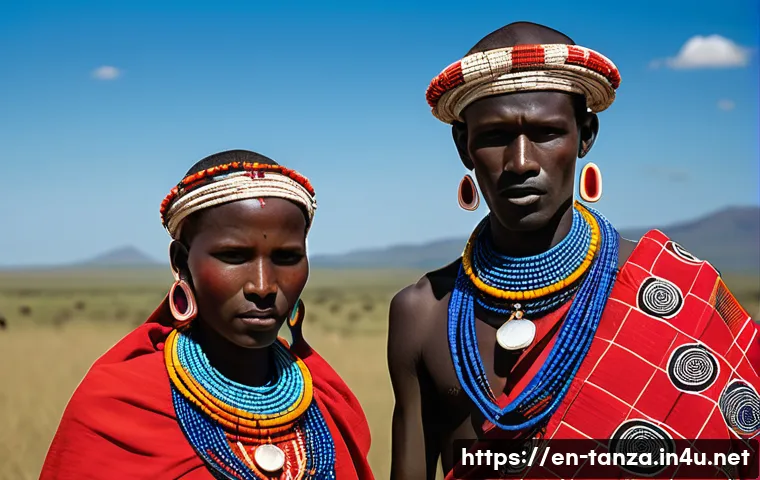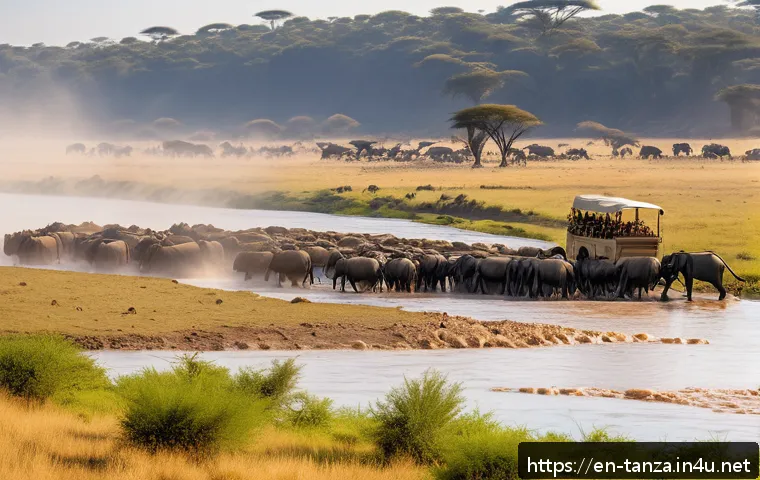
If you’ve been dreaming of witnessing the majestic Great Migration or spotting the Big Five in their natural habitat, now is the perfect time to dive into the wonders of Serengeti National Park.
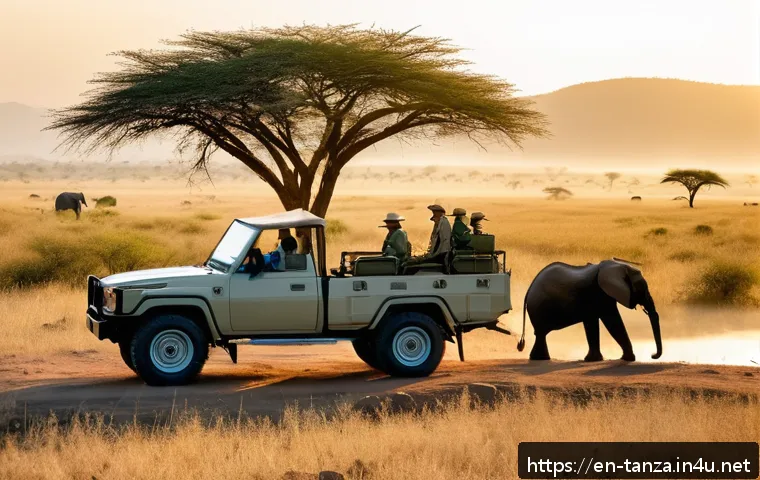
With recent conservation efforts improving wildlife visibility and eco-friendly safari options gaining popularity, exploring this iconic destination has never been more rewarding.
Whether you’re a first-timer or a seasoned traveler, mastering insider tips can transform your adventure from ordinary to unforgettable. Let me share some little-known secrets that will help you navigate the vast plains like a true pro and make every moment count.
Get ready to unlock the magic of the Serengeti like never before!
Choosing the Ideal Time to Experience the Serengeti
Understanding the Migration Calendar
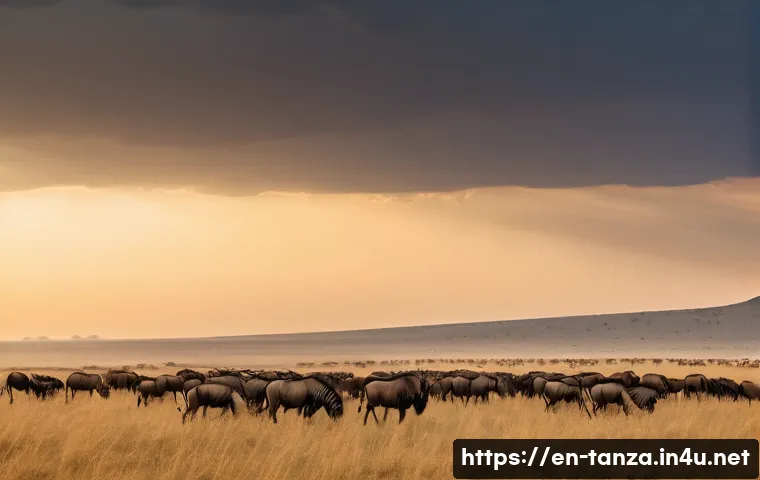
The Serengeti’s Great Migration is a dynamic, year-round spectacle, but knowing when and where to catch the herds can make all the difference. From December through March, the wildebeest calving season occurs in the southern plains, offering a unique chance to witness newborns taking their first steps amid predator-rich environments.
If you’re after dramatic river crossings, plan your visit between July and September when the herds traverse the Mara River, battling crocodiles and showcasing raw survival instincts.
Personally, I found the timing critical—arriving just a week before the usual river crossing meant fewer crowds and more intimate wildlife encounters.
Tracking this natural rhythm enhances both the thrill and the photographic opportunities.
Weather Patterns and Their Impact on Wildlife Viewing
Serengeti’s climate is typically split between wet and dry seasons, each shaping animal behavior distinctly. The dry season, from June to October, tends to concentrate wildlife around permanent water sources, making game drives more fruitful.
Conversely, the wet season, November to May, transforms the landscape into a lush paradise, but animals disperse widely, and dirt roads can become challenging.
I once braved the early rains and was rewarded with vibrant birdlife and fewer tourists, though the bumpy rides required a bit more patience. Understanding these seasonal shifts helps you align your expectations and gear accordingly for a smooth and rewarding safari experience.
Balancing Crowds and Wildlife Activity
Peak tourist months often coincide with the best wildlife moments, but they also bring more vehicles and visitors to popular spots. If you prefer a quieter, more personal encounter with nature, aim for shoulder seasons—late May or early November—when the crowds thin but the park still offers excellent sightings.
During my last trip, opting for these less busy periods allowed me to linger longer at sightings and even catch rare nocturnal behaviors on night drives.
It’s a trade-off worth considering, especially if you value that feeling of solitude amidst the vast savannah.
Optimizing Safari Vehicle Choices and Guides
Open-Top vs. Closed-Top Vehicles
Choosing the right safari vehicle can dramatically influence your experience. Open-top 4x4s offer unobstructed views and incredible photo opportunities, but they expose you to the elements—sun, dust, and occasional rain.
Closed-top vehicles provide shelter and often air conditioning, making them a better choice during hotter or wetter months. On a recent trip, I preferred an open-top ride during early mornings for the sunrise and switched to a closed vehicle midday to escape the heat.
This flexibility enhanced my comfort and engagement with the environment, proving how vehicle choice can tailor your adventure.
Why a Skilled Guide Makes All the Difference
A knowledgeable guide is your best asset in the Serengeti. They don’t just spot animals—they interpret behaviors, share conservation stories, and navigate the vast terrain efficiently.
My guide’s keen eye once spotted a hidden leopard resting in the trees, a sight I would have missed entirely. Beyond spotting game, their insights into local ecosystems and cultures added layers of meaning to the trip.
When booking, prioritize guides with strong reputations and certifications, as their expertise elevates your safari from a checklist activity to a deeply enriching journey.
Tips for Booking and Negotiating Safari Packages
Safari packages vary widely in price, inclusions, and style. It’s worth investing time in comparing what’s offered: some include daily game drives, meals, and park fees, while others might charge extras for night drives or special activities.
I’ve learned that upfront transparency is key—ask about hidden costs and confirm the group size to avoid overcrowded vehicles. Booking directly through reputable lodges or tour operators often results in better prices and personalized services.
Don’t hesitate to negotiate, especially during low seasons, as many operators are willing to offer discounts or added perks like guided walks or cultural visits.
Maximizing Wildlife Encounters with Smart Game Drive Strategies
Early Morning and Late Afternoon Drives
Wildlife is most active during the cooler parts of the day, so scheduling game drives at dawn or dusk significantly boosts your chances of spotting predators and elusive species.
Early mornings reveal lions returning from hunts and elephants moving to waterholes, while late afternoons often feature animals preparing for night. From my experience, these drives also provide the best lighting for photography—soft, golden hues that bring the landscape and animals to life.
Be prepared for chilly starts and pack layers; the temperature can drop sharply before sunrise.
Utilizing Vehicle Positioning for Better Views
Patience and positioning are key. Guides who maneuver vehicles quietly and tactfully can secure prime spots near watering holes or under shady trees where animals often gather.
I recall waiting silently with my group as a herd of elephants ambled close enough for incredible close-ups, a privilege made possible by our guide’s respectful distance and timing.
Avoiding sudden movements and noise ensures animals remain undisturbed, allowing longer observation periods and more natural behavior.
Incorporating Walking Safaris and Night Drives
While game drives are the staple, adding walking safaris or night drives enriches your perspective. Walking safaris bring you closer to the smaller wonders—tracks, insects, and plant life—offering a ground-level appreciation of the ecosystem.
Night drives reveal a whole new world of nocturnal creatures like hyenas, genets, and owls, often missed during daytime. I found these experiences thrilling and insightful, highlighting the Serengeti’s biodiversity beyond the iconic big game.
Just ensure these activities are conducted with experienced guides and within park regulations for safety.
Eco-Friendly Safari Practices That Protect the Serengeti
Choosing Sustainable Lodges and Camps
Eco-conscious travelers increasingly seek accommodations that minimize environmental impact. Many lodges now use solar power, recycle waste, and source food locally, supporting both conservation and community development.
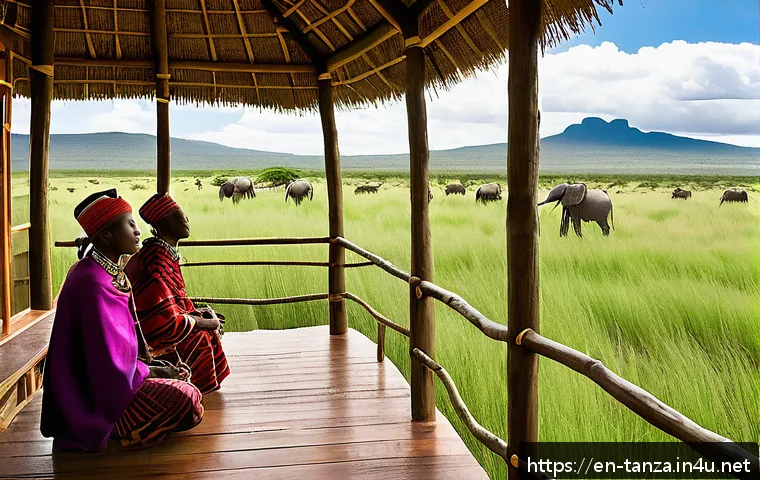
Staying at these eco-lodges not only reduces your footprint but also contributes to preserving the park’s delicate balance. On my last trip, the lodge’s commitment to sustainability was evident—from biodegradable toiletries to initiatives educating guests on local wildlife.
It felt good knowing my stay was aligned with protecting the very wilderness I came to admire.
Respecting Wildlife and Habitats
Maintaining a respectful distance, avoiding loud noises, and never feeding animals are basic but crucial rules that protect both visitors and wildlife.
I’ve noticed that when travelers follow these guidelines, animals behave more naturally, enhancing everyone’s experience. It’s also important to stick to designated roads and trails to prevent habitat damage.
Witnessing the harmony between humans and nature firsthand impressed upon me the responsibility we all share in conservation.
Supporting Local Communities Through Responsible Tourism
Tourism revenue plays a vital role in funding conservation and supporting local livelihoods. Opt for tours and services that engage local Maasai communities or employ park rangers, ensuring your visit benefits those who live alongside the wildlife.
I had the chance to visit a Maasai village during a guided cultural tour, which was enlightening and fostered genuine connections. By choosing responsible operators, you help sustain these communities and encourage conservation-friendly economic development.
Practical Packing Tips for Comfort and Safety
Essential Gear for Safari Success
Packing smart can make or break your safari. Lightweight, breathable clothing in neutral tones helps you blend into the environment and stay comfortable.
Don’t forget a wide-brimmed hat, sunglasses, and a high-SPF sunscreen—sun protection is vital under the African sun. Binoculars and a good camera with a zoom lens are must-haves for capturing distant wildlife.
I always carry a reusable water bottle and insect repellent; staying hydrated and bug-free keeps the focus on the adventure, not discomfort.
Health and Safety Precautions
Before traveling, consult your doctor about recommended vaccinations and anti-malarial medication—malaria risk varies by season and region. Carry a basic first aid kit with bandages, antiseptic, and any personal medications.
During drives, it’s wise to keep hand sanitizer handy and follow your guide’s safety instructions, especially when near animals. I’ve found that being prepared alleviates stress and lets me fully enjoy every moment in the wild.
Technology and Connectivity Considerations
While the Serengeti offers a chance to unplug, it’s helpful to have some connectivity for emergencies or sharing your incredible journey. Many lodges provide Wi-Fi, though speeds can be slow.
Bring portable chargers and extra memory cards for your devices. I like to download offline maps and wildlife ID apps before the trip; they add an educational layer and help me identify species on the spot.
Balancing tech use with immersion in nature enriches the overall experience without detracting from the magic.
Budgeting Smartly for a Serengeti Safari
Understanding Cost Drivers
Safari expenses vary widely depending on accommodation type, duration, and included activities. Luxury lodges and private guides command premium prices, while budget camps and group tours offer more affordable options.
Park entry fees and transportation costs also add up. I recommend setting priorities—whether it’s comfort, exclusivity, or length of stay—and allocating your budget accordingly.
Knowing what to expect financially helps avoid surprises and ensures a stress-free adventure.
Money-Saving Strategies
Booking well in advance or during shoulder seasons often unlocks discounts. Combining multiple parks or extending your trip can sometimes reduce per-day costs.
Sharing vehicles or joining group safaris is another way to save without sacrificing quality. On a previous trip, I coordinated with fellow travelers to split costs, which made a luxury lodge stay accessible.
Additionally, some operators include extras like meals or cultural visits in package deals, providing great value.
Sample Budget Breakdown for a One-Week Safari
| Expense Category | Estimated Cost (USD) | Notes |
|---|---|---|
| Accommodation | $1,200 – $3,000 | Varies by camp/lodge luxury level |
| Park Fees | $60 per day | Charged per person per day |
| Safari Vehicle and Guide | $150 – $300 per day | Depends on private or shared vehicle |
| Meals | $200 – $500 | Often included in accommodation |
| Transportation (air/road) | $300 – $700 | From major hubs to Serengeti |
| Miscellaneous (tips, souvenirs) | $100 – $200 | Optional but recommended |
In Conclusion
Experiencing the Serengeti is a deeply rewarding adventure that requires thoughtful planning to make the most of its wonders. Timing your visit, choosing the right vehicle and guide, and embracing eco-friendly practices all contribute to an unforgettable safari. By preparing carefully and staying mindful of the environment and local communities, you can enjoy a seamless journey filled with remarkable wildlife encounters and meaningful cultural experiences.
Helpful Tips to Remember
1. Plan your trip according to the migration calendar to catch iconic events like calving or river crossings with fewer crowds.
2. Pack versatile clothing and gear suitable for both wet and dry seasons to stay comfortable and protected.
3. Prioritize hiring experienced guides who offer local knowledge and enhance your chances of spotting elusive wildlife.
4. Consider eco-friendly lodges and responsible tourism to support conservation and local communities.
5. Budget wisely by researching package inclusions, booking during shoulder seasons, and exploring group safari options to maximize value.
Key Takeaways
Choosing the right time and understanding the Serengeti’s seasonal rhythms is essential for optimal wildlife viewing. Selecting appropriate safari vehicles and skilled guides can greatly enhance your experience and comfort. Incorporating sustainable practices not only protects the environment but enriches your connection with the landscape and its people. Lastly, thoughtful packing and budgeting ensure you remain safe, comfortable, and able to fully immerse yourself in the magic of the Serengeti.
Frequently Asked Questions (FAQ) 📖
Q: When is the best time to visit Serengeti National Park to witness the Great Migration?
A: The Great Migration is a year-round event, but the best time to catch the massive herds crossing the Mara River is typically between July and October.
During these months, you can witness dramatic river crossings and predator-prey interactions. However, if you want to see calving season with thousands of newborns, late January to February is ideal.
Keep in mind that wildlife visibility and weather conditions vary, so planning your visit around these windows can greatly enhance your experience.
Q: What eco-friendly safari options are available in the Serengeti, and how do they impact conservation?
A: Eco-friendly safaris in the Serengeti have grown in popularity, focusing on minimizing environmental footprints and supporting local communities. Options include staying at eco-lodges that use solar power and water conservation techniques, choosing guided walking safaris instead of vehicles, and participating in community-led cultural tours.
These practices not only reduce your impact on the delicate ecosystem but also contribute directly to conservation funding and local livelihoods, making your adventure more meaningful.
Q: How can first-time visitors maximize their wildlife sightings during a Serengeti safari?
A: For first-timers, early morning and late afternoon game drives are golden hours when animals are most active. Hiring an experienced local guide can be a game-changer since they know animal behavior and secret spots.
Also, staying flexible with your itinerary allows you to chase wildlife movements rather than sticking to a rigid schedule. Lastly, bringing binoculars and a good camera with zoom capabilities will help you catch those unforgettable moments without disturbing the animals.
From personal experience, these little adjustments made my safari truly unforgettable.