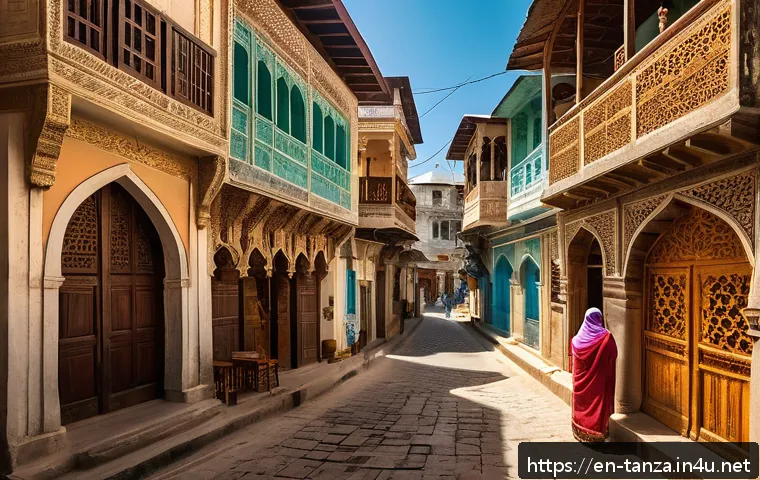
As global travelers seek destinations with deep cultural roots, Zanzibar Island shines brighter than ever. This enchanting archipelago, often called the “Spice Island,” holds stories that go beyond its breathtaking beaches.
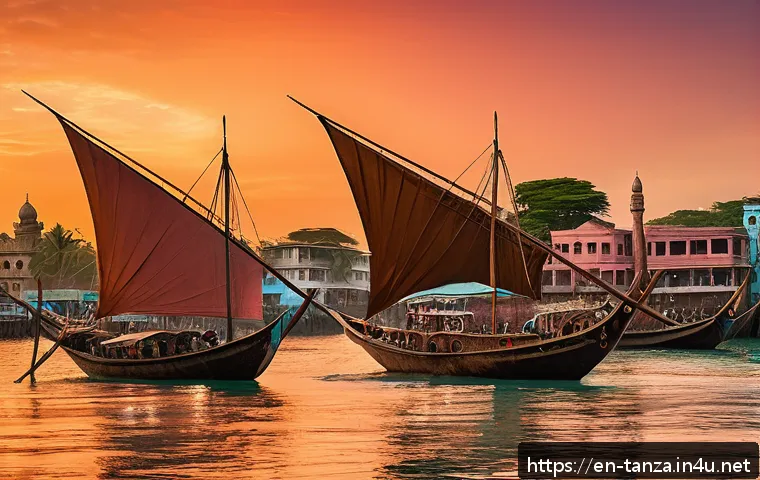
From its pivotal role in the historic spice trade to becoming a vibrant crossroads of diverse cultures, Zanzibar’s past offers a fascinating glimpse into a world shaped by trade, migration, and tradition.
Join me as we uncover the layers of history that make this island a unique blend of heritage and mystery, inviting you to explore its rich tapestry beyond the surface.
Whether you’re a history buff or simply curious, Zanzibar’s story is one you won’t want to miss.
The Mosaic of Zanzibar’s Cultural Influences
Swahili Roots and the Birth of a Unique Identity
Zanzibar’s cultural fabric is deeply woven with Swahili traditions, a blend of African coastal Bantu peoples and Arab influences. This fusion created a distinct identity reflected in the language, architecture, and social customs that still thrive today.
Walking through Stone Town, the island’s historic heart, you can see intricately carved wooden doors and coral stone buildings that tell stories of centuries-old craftsmanship.
The Swahili culture brought together elements of trade, Islam, and community life, shaping a way of living that feels both timeless and alive.
The Arab Connection: Traders and Settlers
The arrival of Arab traders, particularly from Oman, left an indelible mark on Zanzibar’s history. They established the island as a key hub in the Indian Ocean trade network, not just for spices but also for ivory and slaves.
The influence is evident in the island’s mosques, palaces, and the spread of Islam, which became central to Zanzibar’s identity. This era introduced new governance systems and social hierarchies, blending local customs with Arab traditions.
The Al Said dynasty, originating from Oman, ruled Zanzibar for much of the 19th century, further cementing these ties.
Indian and Persian Legacies in Daily Life
Beyond African and Arab influences, Zanzibar also absorbed significant Indian and Persian cultural elements, thanks to traders and settlers who brought their customs and culinary traditions.
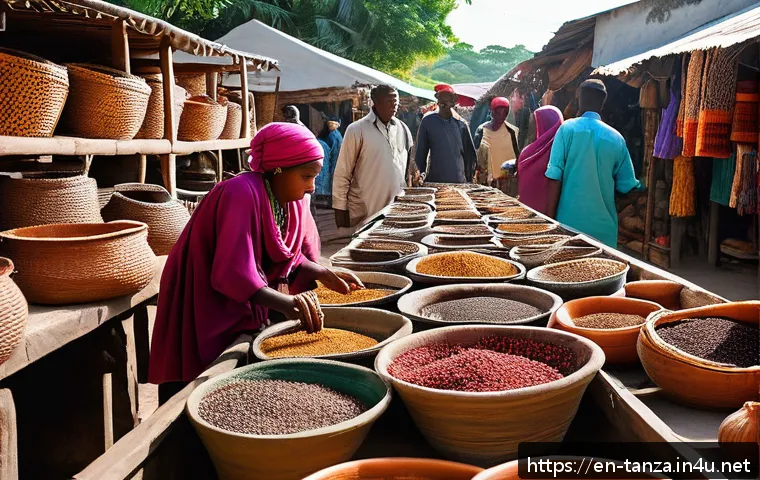
The bustling markets brim with spices, textiles, and crafts that echo these distant lands. The fusion is deliciously apparent in the island’s cuisine, where fragrant biryanis and rich curries sit comfortably alongside local dishes.
This multi-ethnic heritage is a testament to Zanzibar’s role as a melting pot of the Indian Ocean world.
How the Spice Trade Shaped Zanzibar’s Economy and Society
Clove Plantations and Economic Boom
Zanzibar’s nickname, “Spice Island,” comes from its historic clove plantations, which once made it the world’s largest clove producer. Introduced by Arab traders, cloves became the backbone of Zanzibar’s economy during the 19th century.
The wealth generated from these plantations enriched the ruling class and funded the development of infrastructure and culture on the island. However, this prosperity came with a heavy reliance on plantation labor, often involving harsh conditions for local workers and imported slaves.
Spices Beyond Cloves: Nutmeg, Cinnamon, and More
While cloves took center stage, Zanzibar’s spice profile is much broader. Nutmeg, cinnamon, black pepper, and cardamom also grew in abundance, attracting merchants from Europe and Asia.
This diverse spice production allowed Zanzibar to maintain its economic relevance even as global markets shifted. The island’s natural climate and fertile soil created perfect conditions for these crops, ensuring that the spice trade remained a vibrant part of its identity.
The Social Impact of Spice Cultivation
The spice economy didn’t just shape Zanzibar’s wealth; it affected social dynamics profoundly. Plantation owners, often of Arab descent, held significant power, while many African and imported laborers lived under difficult conditions.
This created a complex social hierarchy, influencing everything from land ownership to cultural practices. Over time, the struggles and resistance of laborers contributed to Zanzibar’s rich history of social change and the eventual decline of the plantation system.
Zanzibar’s Role in the Indian Ocean Slave Trade
A Dark Chapter in Island History
Zanzibar was a central node in the Indian Ocean slave trade, with its ports acting as major transit points. Enslaved people were brought from mainland Africa and shipped across the ocean to Arabia, Persia, and beyond.
This grim history is a crucial part of understanding the island’s past, as it shaped demographic and social patterns that linger today. Visiting sites like the former slave market and the Anglican Cathedral, built on its grounds, offers a sobering reminder of this painful legacy.
The Abolition Movement and Its Aftermath
By the late 19th century, international pressure and changing political tides led to the abolition of the slave trade in Zanzibar. The British influence played a significant role in enforcing these changes, which disrupted the established economic and social order.
Freed slaves often integrated into local communities, contributing to the island’s cultural diversity. However, the scars of slavery influenced Zanzibar’s development for decades, impacting social structures and collective memory.
Preserving Memory Through Museums and Stories
Today, Zanzibar actively preserves this complex history through museums and storytelling. The Slave Chambers Museum and the Livingstone House provide insights into the harsh realities of the trade and the resilience of those who endured it.
Local guides often share oral histories passed down through generations, adding a deeply personal dimension to the historical narrative. This commitment to remembrance fosters a deeper understanding of Zanzibar’s multifaceted identity.
Architectural Wonders Reflecting Zanzibar’s Past
Stone Town: A Living Heritage Site
Stone Town’s labyrinthine alleys and historic buildings are a UNESCO World Heritage site, showcasing a blend of Arab, Persian, Indian, and European architectural styles.
The town’s layout reflects its trading past, with narrow streets designed to provide shade and privacy. Palaces, merchant houses, and forts reveal the wealth and influence of past rulers.
Exploring Stone Town feels like stepping back in time, where every corner holds a story waiting to be discovered.
Iconic Doors and Their Symbolism
One of Zanzibar’s most fascinating architectural features is its elaborately carved wooden doors. These doors are more than just entrances; they are symbols of status, history, and cultural identity.
Each design element, from floral patterns to inscriptions, carries meaning tied to family heritage or religious beliefs. Walking through Stone Town, you’ll notice these doors telling silent stories of generations past, inviting curiosity and admiration.
Religious Structures as Cultural Anchors
Zanzibar’s mosques, churches, and temples stand as testaments to its religious diversity and tolerance. The Old Fort mosque and the Anglican Cathedral are landmarks that highlight the island’s spiritual history.
These buildings are not only places of worship but also community centers where traditions are preserved and celebrated. Their presence underscores the coexistence of different faiths that has defined Zanzibar’s social landscape for centuries.
The Island’s Maritime Legacy and Navigation Traditions
Traditional Dhow Boats and Seafaring Skills
Zanzibar’s location made it a crucial maritime hub, with dhow boats serving as the backbone of trade and transport. These traditional wooden vessels, crafted with remarkable skill, navigated the Indian Ocean’s unpredictable waters for centuries.
The knowledge passed down among boatbuilders and sailors reflects a deep connection to the sea, vital for trade and cultural exchange. Experiencing a dhow ride today offers a glimpse into this enduring maritime heritage.
Trade Routes Connecting Continents
The island’s strategic position linked Africa, the Middle East, India, and beyond, creating a web of trade routes that facilitated not only goods but also ideas and cultures.
This network helped spread Islam, Swahili language, and innovations across the region. Understanding these routes reveals how Zanzibar became a melting pot, absorbing influences that shaped its distinct character.
The flow of goods like spices, textiles, and precious stones tells a story of global connectivity long before modern globalization.
The Role of the Port in Shaping Zanzibar’s Growth
Zanzibar’s port has been the lifeline of its economy and society. From bustling marketplaces to naval encounters, the harbor witnessed significant historical events.
It was here that traders negotiated deals, slaves were auctioned, and explorers landed. The port’s evolution reflects shifts in power and economic focus, from the heyday of the spice trade to modern tourism.
Today, the port remains a vibrant hub, bridging Zanzibar’s past and future.
Preservation Efforts and Contemporary Cultural Revival
Protecting Stone Town’s Architectural Heritage
Efforts to conserve Stone Town’s unique architecture have intensified in recent years, balancing the demands of tourism with preservation. Restoration projects aim to maintain the integrity of historic buildings while adapting them for modern use.
Local and international organizations collaborate to provide resources and expertise, ensuring that this cultural treasure endures. Walking through the restored streets, one can appreciate the delicate work that keeps history alive.
Reviving Traditional Arts and Crafts
Zanzibar’s artisans are reclaiming and reinventing traditional crafts, from weaving to pottery and spice blending. Workshops and cultural centers offer visitors hands-on experiences, fostering appreciation for local skills.
This revival not only supports the economy but also strengthens community identity. For travelers, engaging with these crafts provides a meaningful connection to the island’s heritage beyond sightseeing.
Festivals Celebrating Diverse Heritage
Annual festivals like the Zanzibar International Film Festival and Mwaka Kogwa celebrate the island’s cultural diversity and history. These events showcase music, dance, storytelling, and cuisine, drawing locals and tourists alike.
They serve as platforms for cultural exchange and education, highlighting the dynamic nature of Zanzibar’s traditions. Participating in these festivities offers an immersive experience, revealing the vibrant spirit that continues to define the island.
| Period | Key Cultural Influence | Main Impact | Notable Legacy |
|---|---|---|---|
| Pre-10th Century | Indigenous Bantu & Swahili | Formation of coastal communities, language development | Swahili language, early trade networks |
| 10th-17th Century | Arab and Persian Traders | Introduction of Islam, expansion of trade routes | Islamic architecture, clove plantations |
| 18th-19th Century | Omani Rule and European Contact | Economic boom from spice and slave trade | Stone Town development, abolition of slavery |
| 20th Century to Present | Global Tourism and Conservation | Cultural preservation, economic diversification | UNESCO designation, cultural festivals |
In Conclusion
Zanzibar’s rich cultural tapestry is a remarkable blend of diverse influences that have shaped its unique identity over centuries. From Swahili roots to Arab, Indian, and Persian legacies, the island’s history is deeply intertwined with trade, religion, and social evolution. Understanding these layers helps us appreciate Zanzibar not only as a tourist destination but as a living archive of human connection and resilience.
Useful Information to Know
1. Zanzibar’s Stone Town is a UNESCO World Heritage site, celebrated for its unique blend of architectural styles and historical significance.
2. The spice trade, especially cloves, played a pivotal role in shaping Zanzibar’s economy and social structure during the 19th century.
3. The island was a central hub in the Indian Ocean slave trade, and several museums and sites preserve this important history.
4. Traditional dhow boats remain a symbol of Zanzibar’s maritime heritage and offer visitors an authentic experience of its seafaring past.
5. Annual cultural festivals, such as the Zanzibar International Film Festival, provide vibrant opportunities to engage with the island’s diverse traditions.
Key Takeaways
Zanzibar’s cultural identity is the product of centuries of interaction among African, Arab, Indian, and Persian peoples, reflected in its language, architecture, and customs. The island’s economy and social fabric were deeply influenced by the spice and slave trades, leaving complex legacies that continue to shape its society. Preservation efforts and cultural revival projects today highlight Zanzibar’s commitment to honoring its past while embracing a sustainable future. This dynamic blend makes Zanzibar a fascinating study of history, culture, and resilience in the Indian Ocean region.
Frequently Asked Questions (FAQ) 📖
Q: uestions about Zanzibar Island’s Cultural and Historical SignificanceQ1: What makes Zanzibar Island known as the “Spice Island”?
A: Zanzibar earned the nickname “Spice Island” because of its long-standing history as a major producer and exporter of spices like cloves, nutmeg, cinnamon, and black pepper.
The island’s fertile soil and favorable climate have supported spice cultivation for centuries. When I visited, the aroma of fresh spices in local markets was unforgettable, highlighting how deeply ingrained the spice trade is in Zanzibar’s culture and economy.
This legacy dates back to the Arab traders who introduced these crops, making the island a vital hub in the historic spice trade routes.
Q: How has Zanzibar’s cultural diversity been shaped by its history?
A: Zanzibar’s cultural richness is a direct result of centuries of interaction among African, Arab, Persian, Indian, and European peoples. This fusion is evident in its architecture, language, cuisine, and traditions.
For example, Stone Town’s narrow alleys and carved wooden doors reflect Arab and Persian influences, while Swahili culture combines African roots with these external elements.
From my experience, engaging with locals revealed how these diverse backgrounds coexist, creating a unique, vibrant community that celebrates its layered heritage every day.
Q: What historical sites should I visit to experience Zanzibar’s heritage?
A: To truly connect with Zanzibar’s history, don’t miss Stone Town, a UNESCO World Heritage site filled with historic buildings, ancient mosques, and bustling markets.
The Old Fort and the House of Wonders are excellent spots to explore Zanzibar’s past. Additionally, visiting spice farms offers insight into the island’s agricultural traditions.
When I toured these places, I found the stories shared by local guides added depth to the experience, making the history come alive beyond just the sights.