Traveling to Tanzania offers an incredible blend of breathtaking landscapes, rich wildlife, and vibrant cultural experiences that few destinations can match.
From the vast plains of the Serengeti to the majestic heights of Mount Kilimanjaro, this East African gem captivates adventurers and nature lovers alike.
However, like any travel destination, Tanzania presents its own set of challenges, from infrastructure limitations to health precautions. Understanding both the highs and the hurdles can help you plan a more enjoyable and safe trip.
Let’s dive into the details and get a clear picture of what to expect on your Tanzanian adventure!
Immersing in Tanzania’s Natural Wonders
The Serengeti’s Endless Wildlife Spectacle
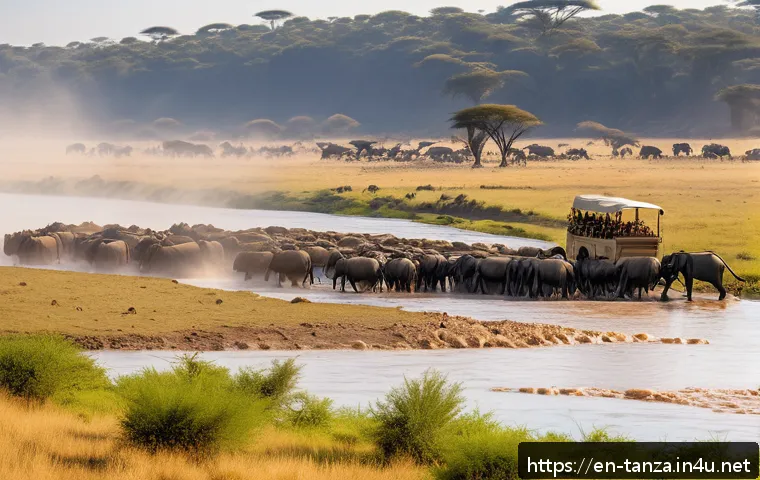
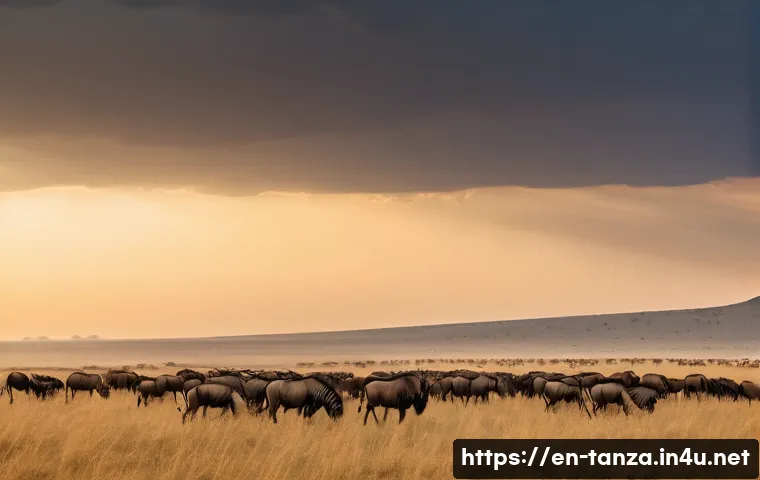
The Serengeti National Park is nothing short of magical. As someone who’s experienced multiple safaris there, I can tell you the thrill of witnessing the Great Migration is unlike anything else on earth.
Millions of wildebeest, zebras, and gazelles moving across the plains, chased by predators — it’s raw, unpredictable nature at its finest. Beyond the migration, the Serengeti offers year-round opportunities to spot the Big Five: lions, leopards, elephants, rhinos, and buffalo.
The vastness of the park means you often feel like you have the wilderness all to yourself, which adds to the awe and intimacy of the experience.
Mount Kilimanjaro: The Roof of Africa
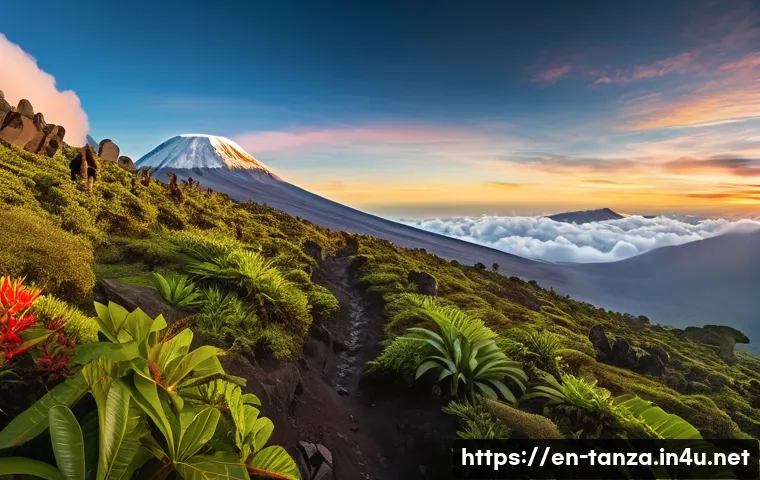
Climbing Mount Kilimanjaro is a bucket-list adventure for many travelers, and having done it myself, I can vouch for both the challenge and the reward.
The ascent is not just a physical test but a mental one, with the changing ecosystems from rainforest to alpine desert adding layers to the experience.
Even if you’re not a climber, the views of Kilimanjaro from nearby towns like Moshi or Arusha are spectacular, especially at sunrise or sunset. It’s a majestic reminder of the country’s diverse terrain and the natural beauty that draws so many here.
The Untouched Beaches of Zanzibar
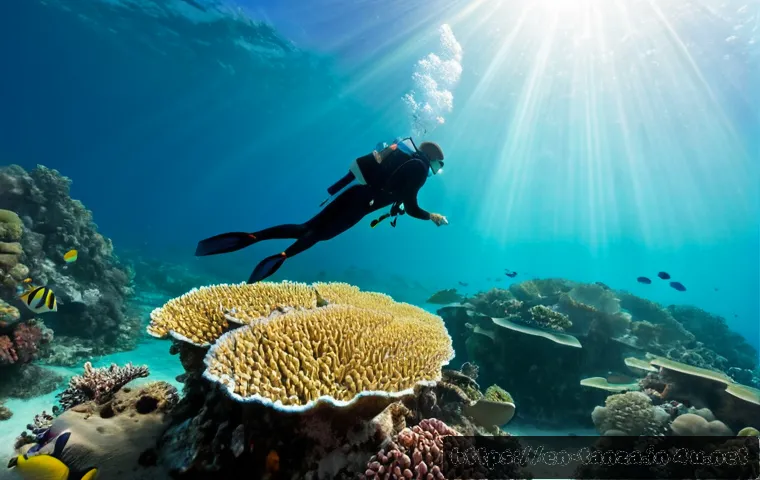
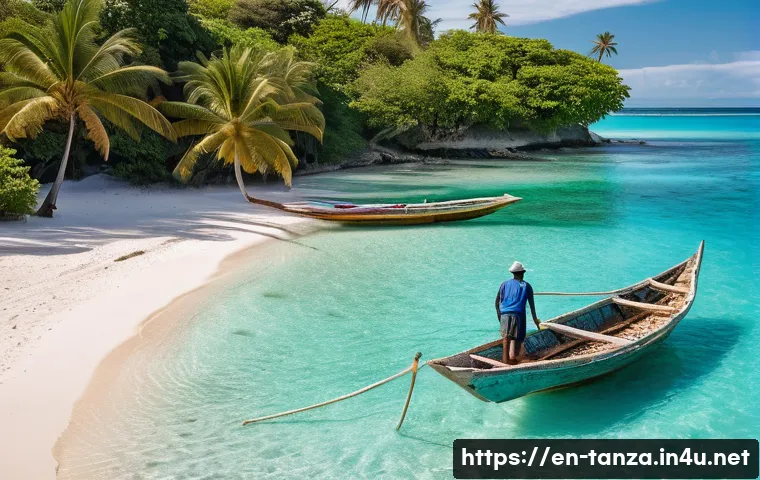
After days of rugged safaris and mountain treks, Zanzibar’s white sandy beaches provide a perfect contrast. The island’s crystal-clear waters and vibrant coral reefs make it a paradise for snorkeling, diving, or simply unwinding with a good book.
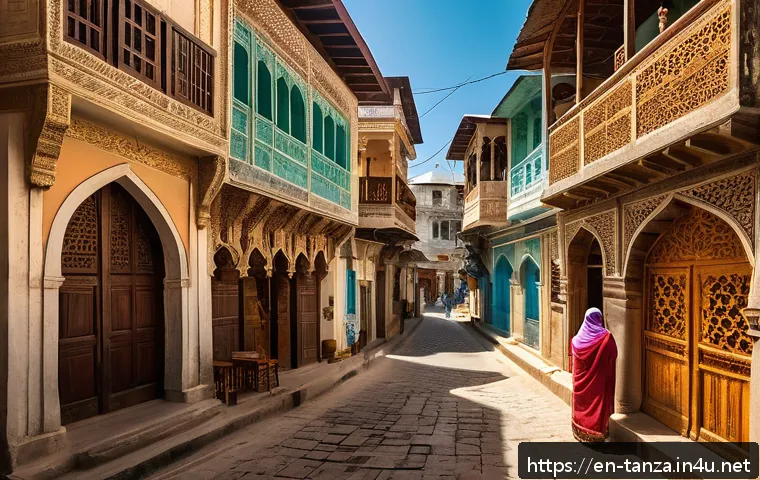
Stone Town, the historic heart of Zanzibar, also offers a fascinating cultural experience with its blend of African, Arab, and European influences. I found the evenings there particularly charming, with spice-scented air and lively local markets adding to the island’s unique vibe.
Navigating Practical Realities on the Ground
Transportation Challenges and Tips
Getting around Tanzania can be an adventure on its own. While major towns like Dar es Salaam and Arusha have decent roads and reliable transport options, rural areas often require patience and flexibility.
Public buses, known as dala-dalas, are very affordable but crowded and not always punctual. For safaris, most travelers opt for private 4×4 vehicles, which provide comfort and access to remote parks.
I recommend booking transport through reputable agencies to avoid surprises and ensure safety. Also, flights between regions, such as from Arusha to Zanzibar, can save time but might be subject to delays.
Health Precautions and Medical Facilities
Health safety is a crucial aspect of traveling here. Malaria is endemic in many areas, so taking prophylactics and using mosquito nets is essential. I personally carried insect repellent and avoided outdoor activities at dusk when mosquitoes are most active.
Vaccinations for yellow fever, typhoid, and hepatitis are often recommended depending on your itinerary. While major cities have decent hospitals, rural clinics may lack resources, so having comprehensive travel insurance and a basic medical kit is wise.
Connectivity and Communication
Staying connected in Tanzania can be hit or miss depending on where you are. Urban centers usually have good mobile network coverage and internet access, but once you head into national parks or remote villages, signal strength drops significantly.
I found purchasing a local SIM card to be the most cost-effective way to stay online, especially with providers like Vodacom or Airtel offering decent data packages.
For work or longer stays, some lodges and hotels provide Wi-Fi, but speeds can vary.
Experiencing Tanzania’s Rich Culture and Warm Hospitality
Engaging with Local Communities
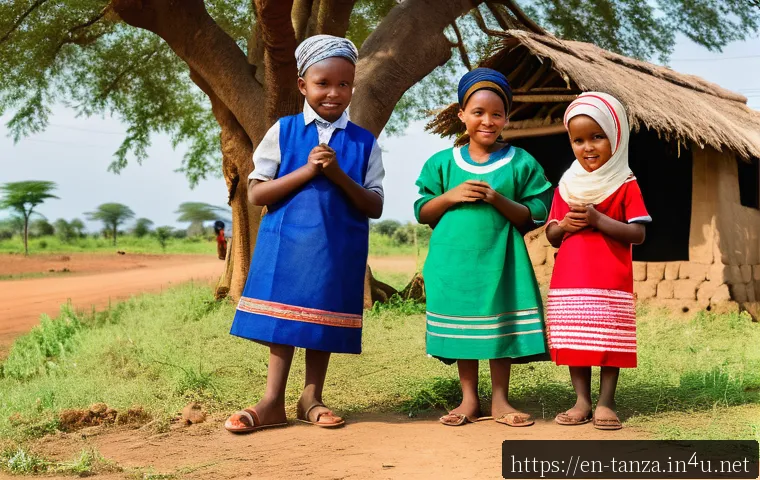
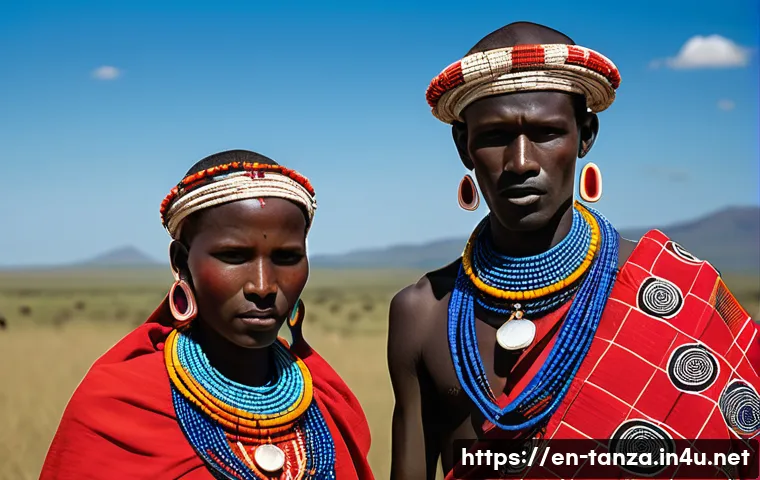
What stands out most about Tanzania is its people. Tanzanians are incredibly welcoming and proud of their heritage. Visiting local villages or markets provides a window into daily life, from traditional crafts to Swahili cuisine.
I remember sharing a meal with a Maasai family, learning about their customs and stories, which was one of the most memorable parts of my trip. Being respectful and open-minded goes a long way in building genuine connections.
Festivals and Traditions Worth Witnessing
Timing your visit around cultural festivals can add a whole new dimension to your experience. Events like the Mwaka Kogwa festival in Zanzibar or the Ngorongoro Cultural Festival showcase traditional music, dance, and rituals.
These celebrations not only entertain but also educate visitors about Tanzania’s diverse ethnic groups and their histories. Participating or observing respectfully enriches your understanding of the country beyond the usual tourist sights.
Culinary Adventures and Local Flavors
Tanzanian cuisine is a delightful mix of African, Arab, and Indian influences. Street food stalls and local eateries serve dishes like ugali (a maize porridge staple), nyama choma (grilled meat), and samosas bursting with flavor.
I recommend trying fresh seafood along the coast and sipping on spiced chai tea. Food is often shared communally, reflecting the culture’s emphasis on community and hospitality.
Don’t shy away from asking locals for their favorite spots; those hidden gems often make the best meals.
Understanding Costs and Budgeting Wisely
Typical Expenses for Different Travel Styles
Traveling Tanzania can suit a range of budgets, but it’s important to plan carefully. Backpackers can get by on modest sums by using public transport, staying in hostels or budget lodges, and eating street food.
Mid-range travelers often opt for guided safaris, boutique hotels, and domestic flights, which add up but offer convenience and comfort. Luxury travelers enjoy exclusive lodges and private tours, with prices reflecting top-notch services and privacy.
I found that booking packages in advance often saves money and reduces stress.
Hidden Costs to Watch Out For
Some expenses catch newcomers off guard, such as park entrance fees, which vary widely and are often charged per day. Tipping is customary in Tanzania, especially for guides and drivers, so budgeting for gratuities is essential.
Also, visa fees and airport taxes can add to your upfront costs. Currency exchange rates fluctuate, so exchanging money at reputable bureaus or using local ATMs is advisable.
I learned that carrying some cash in US dollars helps in remote areas where card payments aren’t accepted.
Comparative Overview of Expenses
| Expense Category | Budget Traveler | Mid-Range Traveler | Luxury Traveler |
|---|---|---|---|
| Accommodation (per night) | $10 – $30 | $50 – $150 | $300+ |
| Safari Day Tour | $100 – $150 | $200 – $400 | $500+ |
| Local Meals | $2 – $5 | $10 – $20 | $30+ |
| Domestic Flights | $50 – $100 | $100 – $200 | $200+ |
| Park Entrance Fees (per day) | $30 – $50 | $50 – $70 | $70+ |
Seasonal Patterns and Best Times to Visit
Dry vs. Wet Seasons
Tanzania’s climate is marked by distinct wet and dry seasons, each affecting your travel experience differently. The dry season, roughly from June to October, is considered the best time for safaris because animals congregate around waterholes, making wildlife spotting easier.
Roads are more passable, and the weather is generally pleasant. Conversely, the wet season, especially from March to May, brings lush landscapes and fewer tourists but can make some areas difficult to access.
I personally prefer traveling in the shoulder seasons (late May or November) for a balance of good weather and smaller crowds.
Wildlife Activity and Migration Cycles
The timing of the Great Migration heavily influences when to visit the Serengeti. From December to March, the herds calve in the southern plains, while from July to October, they move northward towards the Maasai Mara in Kenya.
Predation events peak during river crossings, a spectacle that fascinates many travelers. Knowing these patterns helped me plan my trip to catch the most dramatic wildlife moments, although every season offers unique opportunities for animal encounters.
Climate Considerations for Kilimanjaro Climbers
If climbing Kilimanjaro is on your list, weather conditions are critical to consider. The mountain has two rainy seasons, short rains in November and long rains from March to May, which can make the trek slippery and less enjoyable.
The best climbing windows are January to mid-March and June to October, when the skies are clearer and temperatures more stable. I found that acclimatization and preparation are key, as weather at the summit can be harsh regardless of the season.
Safety and Security Insights
Common Travel Risks and How to Avoid Them
While Tanzania is generally safe for tourists, it’s wise to stay alert and take basic precautions. Petty crime like pickpocketing can occur in crowded areas, so keeping valuables secure is important.
I always carry a money belt and avoid flashing expensive gadgets. Road safety can be a concern as some roads are poorly maintained, and driving standards vary.
Using established tour operators and avoiding nighttime travel are practical ways to stay safe.
Local Laws and Cultural Sensitivities
Understanding and respecting local customs can prevent misunderstandings. Tanzania is a predominantly Muslim country in Zanzibar and parts of the coast, so dressing modestly in these areas is appreciated.
Public displays of affection are frowned upon in conservative regions. Drug laws are strict, with severe penalties, so steer clear entirely. I found that asking locals or guides about appropriate behavior saved me from awkward moments and helped me blend in better.
Emergency Contacts and Support Services
Having access to reliable emergency contacts provides peace of mind. Major cities have international clinics and hospitals, but in remote areas, options are limited.
I always kept a list of embassy contacts, local hospitals, and my travel insurance hotline handy. Some safari lodges have medical evacuation arrangements, which is reassuring when venturing far from urban centers.
Being prepared with a first aid kit and knowledge of nearby facilities is a smart move for any traveler.
Unique Activities Beyond the Usual Trails
Community-Based Tourism Initiatives
Getting involved in community projects offers a meaningful way to connect with Tanzania beyond sightseeing. Many villages welcome visitors who want to learn about traditional farming, handicrafts, or conservation efforts.
I joined a community-run eco-tourism project near Lake Manyara, where I helped with tree planting and experienced daily village life firsthand. These initiatives not only support local livelihoods but also provide travelers with authentic, educational experiences.
Adventure Sports and Outdoor Pursuits
For adrenaline junkies, Tanzania offers plenty besides safaris and trekking. White-water rafting on the Pangani River, kite surfing along the coast, and hot air balloon rides over the Serengeti are thrilling options I tried or heard rave reviews about.
These activities allow you to see the country from different perspectives and add variety to your itinerary. Just be sure to book with certified operators to ensure safety and quality.
Exploring Lesser-Known Destinations
While the Serengeti and Kilimanjaro get most of the spotlight, Tanzania has many hidden gems worth exploring. Places like Ruaha National Park, Selous Game Reserve, and the Usambara Mountains offer spectacular landscapes and wildlife with far fewer tourists.
I found visiting these less frequented spots gave me a sense of discovery and a more intimate connection with nature. If time allows, venturing off the beaten path can make your trip truly unforgettable.
Concluding Thoughts
Exploring Tanzania offers a rare blend of awe-inspiring wildlife, rich culture, and stunning landscapes that stay with you long after the trip ends. Whether it’s the thrill of a safari, the challenge of Kilimanjaro, or the calm of Zanzibar’s beaches, this country delivers unforgettable experiences. With thoughtful planning and an open heart, Tanzania reveals its true magic to every traveler.
Useful Tips to Remember
1. Plan your trip according to the seasons to maximize wildlife sightings and avoid heavy rains.
2. Always carry essential health supplies, including malaria prevention and a basic first aid kit.
3. Use reputable tour operators and local SIM cards to ensure safety and connectivity.
4. Respect local customs and dress codes, especially in conservative areas like Zanzibar.
5. Budget carefully by accounting for hidden costs such as park fees, tipping, and visa charges.
Key Takeaways for a Smooth Journey
Travelers should embrace Tanzania’s natural and cultural diversity while preparing for practical challenges like transportation and health precautions. Staying informed about seasonal patterns enhances wildlife encounters, and respecting local traditions fosters meaningful connections. Prioritizing safety by using trusted services and carrying emergency contacts ensures peace of mind throughout your adventure.
Frequently Asked Questions (FAQ) 📖
Q: What are the must-see places and activities in Tanzania for a first-time visitor?
A: For a first-time visitor, the Serengeti National Park tops the list with its incredible wildlife safaris, especially during the Great Migration when millions of wildebeest and zebras move across the plains.
Mount Kilimanjaro is another highlight, offering trekking adventures for various skill levels and stunning views from Africa’s highest peak. Don’t miss the Ngorongoro Crater, a unique natural wonder teeming with wildlife in a volcanic caldera.
For a more relaxed experience, the spice island of Zanzibar offers beautiful beaches, rich history, and vibrant local culture. I personally found combining a safari with a few days on Zanzibar’s coast to be the perfect balance of adventure and relaxation.
Q: What health precautions should travelers take when visiting Tanzania?
A: Health-wise, malaria is a significant concern in Tanzania, especially in lower-altitude areas like the Serengeti and Zanzibar. Taking antimalarial medication as prescribed, using insect repellent, and sleeping under mosquito nets are essential steps.
It’s also wise to get vaccinations for yellow fever, typhoid, and hepatitis A and B before traveling. I learned the hard way that staying hydrated and avoiding tap water can prevent common traveler’s stomach issues.
Consulting a travel clinic at least 4-6 weeks before your trip is the best way to get personalized advice and vaccinations tailored to your itinerary.
Q: How should I prepare for the infrastructure challenges in Tanzania?
A: Tanzania’s infrastructure can be unpredictable, with bumpy roads, limited Wi-Fi outside major towns, and occasional power outages. When I traveled there, I found that embracing a flexible mindset made the experience much more enjoyable.
Booking tours with reputable local operators who know the terrain can save a lot of headaches. Also, carrying a portable charger and offline maps proved invaluable when connectivity was spotty.
It’s a good idea to pack light but include essentials like sunscreen, a reusable water bottle, and basic first aid supplies. Being prepared for some rough travel days means you can focus on the incredible sights and experiences without frustration.