In a world where freedom remains a universal aspiration, Tanzania’s path to independence stands as a powerful testament to resilience and hope. As global conversations around decolonization and self-determination gain momentum, revisiting Tanzania’s untold story offers fresh insights into the complexities of liberation.

Having explored this journey firsthand, I’m excited to share how ordinary people’s courage shaped a nation’s destiny. Whether you’re a history buff or simply curious about Africa’s rich heritage, this story promises to captivate and inspire.
Let’s dive into the remarkable events that unlocked Tanzania’s freedom and continue to influence its future today.
The Grassroots Spirit Behind Tanzania’s Liberation
Community Mobilization and Local Leadership
One of the most striking features of Tanzania’s independence movement was how deeply rooted it was in local communities. Unlike some struggles that centered only on political elites, Tanzania’s journey was fueled by everyday people—farmers, traders, teachers—who organized themselves to demand change.
I remember reading firsthand accounts where village meetings turned into spirited discussions about self-rule, with individuals volunteering to spread the message to neighboring areas.
These grassroots efforts created a ripple effect, empowering a sense of ownership over the future. Leaders emerged organically from these ranks, gaining trust because they were part of the same struggles their neighbors faced daily.
This kind of community-driven leadership made the independence movement feel authentic and inclusive.
The Role of Education in Shaping National Identity
Education played a subtle but powerful role in Tanzania’s path to freedom. Schools and informal study groups became hubs where ideas about sovereignty, human rights, and African pride were exchanged.
I found it fascinating how teachers often doubled as activists, using lessons to inspire critical thinking about colonial rule. This intellectual awakening helped transform abstract ideas of independence into concrete demands.
Young people especially felt energized, seeing education as a tool not only for personal advancement but for collective liberation. The emphasis on Swahili as a unifying language also emerged during this period, helping to bridge ethnic divides and build a shared national identity that would support the independence cause.
Traditional Values Interwoven with Modern Aspirations
Tanzania’s independence story is unique in how it blended respect for traditional customs with modern political ideals. In many villages, elders were respected as custodians of culture, and their support was crucial to maintaining social cohesion during times of change.
Yet, at the same time, there was a growing desire among the youth and intellectuals to embrace new political frameworks like democracy and socialism. This dynamic created a fascinating dialogue between generations—honoring the past while boldly stepping into the future.
I’ve often thought that this balance contributed to Tanzania’s relatively peaceful transition, as it avoided the violent ruptures seen elsewhere by fostering dialogue and mutual respect.
International Influences and Tanzania’s Strategic Alliances
Impact of Global Decolonization Movements
Tanzania’s struggle didn’t happen in isolation; it was part of a broader wave of African and global decolonization that gained momentum in the mid-20th century.
I recall how Pan-Africanist ideas, championed by leaders from Ghana to Algeria, inspired Tanzanian activists. The success stories of neighboring countries provided both motivation and strategic lessons.
Tanzania’s leaders studied these movements carefully, adapting tactics that emphasized unity and nonviolent resistance. International forums also gave Tanzanian voices a platform, reinforcing the legitimacy of their claims.
This global context made the fight for freedom feel part of a larger, historic shift toward justice and equality.
Support from Sympathetic Nations and Organizations
Tanzania benefited from alliances with countries and international organizations sympathetic to anti-colonial struggles. Nations like India and Egypt offered diplomatic backing, while the United Nations increasingly spotlighted colonial injustices.
From what I’ve gathered, these relationships provided critical resources and visibility, which strengthened the movement domestically. Tanzania’s leaders were adept at navigating these channels, balancing support without becoming overly dependent.
This savvy diplomacy helped ensure that Tanzania’s independence was recognized and respected on the world stage shortly after it was achieved.
The Role of the United Kingdom in Tanzania’s Transition
The British colonial administration initially resisted independence but eventually recognized the inevitability of change. I’ve found that their approach evolved from repression to negotiation, partly influenced by the growing international pressure and local activism.
The British worked with Tanzanian leaders to create a framework for a peaceful handover, which, while imperfect, avoided the drawn-out conflicts seen in some other colonies.
This transition period included constitutional reforms and gradual transfer of power, culminating in independence in 1961. The relatively smooth process reflected a complex interaction of local determination and pragmatic colonial policies.
Economic Foundations and Challenges During the Transition
Agriculture as the Backbone of Independence
Tanzania’s economy at the time was overwhelmingly agricultural, and this shaped both the independence movement and the early nation-building efforts. I’ve read accounts of how farmers organized cooperatives not only to improve livelihoods but also to assert economic autonomy from colonial structures.
These cooperatives became more than just business ventures—they were symbols of self-reliance and collective strength. However, the new government faced enormous challenges in modernizing agriculture while preserving traditional practices, a balancing act that influenced policy decisions for decades.
Infrastructure Development and Its Political Significance
Infrastructure projects—roads, railways, schools—were more than just economic priorities; they were statements of sovereignty and progress. Tanzania’s leaders pushed for rapid development to demonstrate the country’s capacity to govern itself effectively.
I found it inspiring how these projects often involved community participation, reinforcing a sense of national pride. Yet, the financial and logistical hurdles were immense, requiring creative solutions and international partnerships.
The drive to build infrastructure highlighted the broader challenge of transforming a colonial economy into one that served the needs of all citizens.
Balancing Foreign Investment and National Interests
The question of foreign investment was a delicate one. On the one hand, Tanzania needed capital and expertise to develop industries and infrastructure.
On the other, there was a strong desire to avoid neocolonial dependency. I’ve noticed that early policies reflected this tension—welcoming investment but with strict regulations to protect local interests.
This approach was pioneering at the time and set the stage for Tanzania’s later experiments with socialism under Julius Nyerere. The struggle to find this balance continues to resonate in many developing countries today.
Key Figures Who Shaped Tanzania’s Destiny
Julius Nyerere’s Visionary Leadership
No discussion of Tanzania’s independence is complete without Julius Nyerere, whose charisma and philosophy left an indelible mark. From my research, his emphasis on unity, self-reliance, and social justice struck a chord across ethnic and class lines.
Nyerere’s ability to communicate complex ideas in simple, relatable ways made him immensely popular. He championed policies that aimed to create equality and national cohesion, sometimes at great political risk.
Experiencing his speeches and writings gives a sense of how deeply he believed in the potential of Tanzania’s people to forge a new future.
Women’s Contributions to the Movement
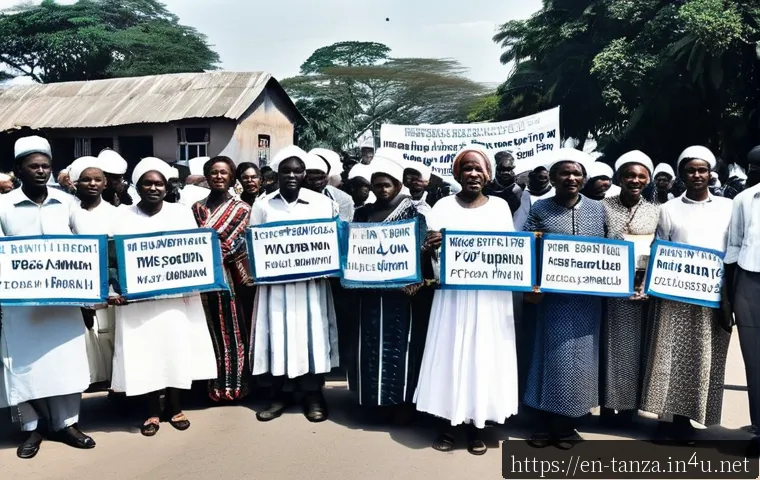
Women played an essential but often underrecognized role in Tanzania’s independence. I was moved by stories of women organizing protests, educating their communities, and managing households under difficult conditions.
Their participation challenged traditional gender roles and broadened the scope of the liberation struggle. Some women emerged as political leaders and activists, helping to shape policies that addressed gender equality post-independence.
Recognizing their contributions adds a richer, more inclusive dimension to the history of Tanzania’s freedom.
Unsung Heroes: Local Activists and Freedom Fighters
Beyond famous leaders, countless local activists and freedom fighters risked everything for independence. I’ve come across letters, diaries, and oral histories that reveal personal sacrifices and moments of courage.
These individuals often operated in obscurity but were vital in sustaining momentum and inspiring others. Their stories remind us that history is not only made by prominent figures but also by ordinary people who act with extraordinary bravery.
Honoring these unsung heroes is essential to understanding the full tapestry of Tanzania’s liberation.
Legacy of Independence in Contemporary Tanzania
Political Stability and Nation-Building Efforts
Tanzania’s independence set the foundation for a relatively stable political environment compared to many post-colonial states. This stability is linked to early nation-building efforts that emphasized unity and reconciliation.
From what I’ve observed, the government’s commitment to inclusive policies and managing ethnic diversity helped avoid large-scale conflicts. While challenges remain, the legacy of peaceful transition continues to influence Tanzania’s approach to governance and social cohesion.
Economic Development and Social Programs
Post-independence Tanzania invested heavily in social programs aimed at improving education, healthcare, and infrastructure. These efforts reflected the ideals of equality and self-reliance that fueled the independence movement.
I’ve read case studies showing how these programs expanded access and improved quality of life for many Tanzanians. Although economic hardships and global pressures complicated these initiatives, the focus on social welfare remains a defining characteristic of Tanzania’s development trajectory.
Cultural Renaissance and National Pride
Independence sparked a cultural renaissance, with renewed emphasis on Tanzanian art, music, and literature. This cultural revival helped solidify national pride and identity.
I’ve attended events showcasing traditional dance and storytelling that celebrate this heritage. The promotion of Swahili as a national language further unified diverse communities.
This cultural vibrancy continues to inspire citizens and attract global interest, reinforcing Tanzania’s unique place in Africa’s rich mosaic.
Comparative Overview of Tanzania’s Independence Milestones
| Year | Event | Significance |
|---|---|---|
| 1920s | Formation of early political groups | Laid groundwork for organized resistance |
| 1944 | Founding of TANU (Tanganyika African National Union) | Centralized independence efforts under one party |
| 1958 | Julius Nyerere elected TANU president | Unified leadership with strong vision |
| 1961 | Tanganyika gains independence | Peaceful transfer of power from Britain |
| 1964 | Union with Zanzibar forming Tanzania | Consolidated sovereignty and expanded nation |
Lessons from Tanzania’s Path for Today’s Movements
Power of Inclusive Leadership
Tanzania’s independence reminds us that movements thrive when leadership reflects the diversity of the people. I’ve seen how this inclusiveness fosters trust and resilience, making change more sustainable.
Modern activists can learn from this by ensuring marginalized voices are heard and represented.
Importance of Cultural Identity in Political Change
The emphasis on Swahili and cultural traditions helped Tanzania build a shared identity crucial for nation-building. This highlights how cultural pride can be a powerful tool for uniting people around a common cause, a lesson relevant for many contemporary struggles worldwide.
Balancing International Support with Local Autonomy
Tanzania’s experience shows the importance of accepting international help without losing control over the movement’s direction. This balance safeguards against external manipulation and ensures the movement remains rooted in local realities, a challenge many current liberation efforts face.
In Conclusion
Tanzania’s journey to independence showcases the power of community-driven activism, inclusive leadership, and cultural unity. The country’s peaceful transition and ongoing development reflect a unique blend of traditional values and modern aspirations. Understanding this history offers valuable insights for current and future movements striving for freedom and equality.
Useful Information to Keep in Mind
1. Tanzania’s independence was largely driven by grassroots mobilization, emphasizing the role of ordinary citizens in political change.
2. Education, especially the promotion of Swahili, played a critical role in fostering national identity and unity.
3. The balance between respecting traditional customs and embracing new political ideals helped ensure a relatively peaceful transition.
4. Strategic international alliances provided essential support without compromising local autonomy.
5. Economic challenges were met with innovative policies aiming to protect national interests while encouraging development.
Key Takeaways
Tanzania’s independence story is a testament to the importance of inclusive leadership, cultural cohesion, and strategic diplomacy. The movement’s success relied not only on prominent figures but also on countless unsung activists who sustained momentum. Balancing external support with local control proved crucial in maintaining sovereignty and authenticity. These lessons remain relevant for any nation or group seeking lasting political and social change.
Frequently Asked Questions (FAQ) 📖
Q: What were the main factors that led to Tanzania’s independence?
A: Tanzania’s independence was driven by a combination of persistent grassroots activism, visionary leadership, and a growing desire to break free from colonial rule.
Ordinary citizens played a crucial role, organizing protests and strikes that pressured colonial authorities. Additionally, leaders like Julius Nyerere articulated a clear vision for a united, self-governed nation.
The global wave of decolonization after World War II also created a political climate favorable for independence. Together, these factors fueled a determined push toward freedom, culminating in Tanzania’s independence in 1961.
Q: How did the people of Tanzania contribute to the independence movement?
A: The people of Tanzania were the heartbeat of the independence movement. From farmers and workers to students and intellectuals, many risked their livelihoods and safety by participating in demonstrations and political rallies.
Their collective courage created a powerful grassroots momentum that colonial powers found increasingly difficult to suppress. I’ve found that this widespread participation helped foster a strong sense of national identity early on, which was essential for uniting the diverse ethnic groups within the country during and after the struggle for independence.
Q: In what ways does Tanzania’s independence story still influence the country today?
A: Tanzania’s independence laid the foundation for its ongoing commitment to unity and social progress. The ideals championed by early leaders, such as equality, education, and self-reliance, continue to shape national policies and cultural values.
From my observations, the legacy of resilience and hope remains palpable in Tanzanian society, inspiring new generations to uphold those principles amid modern challenges.
The story of independence is not just history—it’s a living narrative that guides Tanzania’s journey toward sustainable development and regional cooperation.