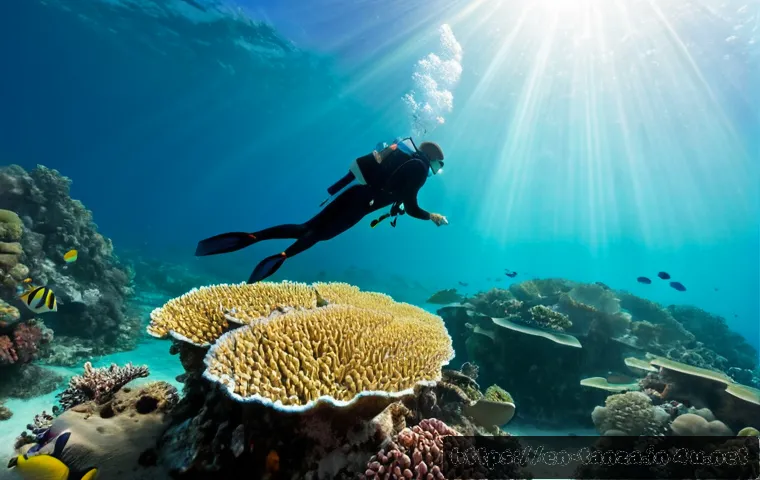
Tanzania protects coral reefs, mangroves, seagrass beds, and marine wildlife through protected areas, community participation, fisheries management, and tourism controls.
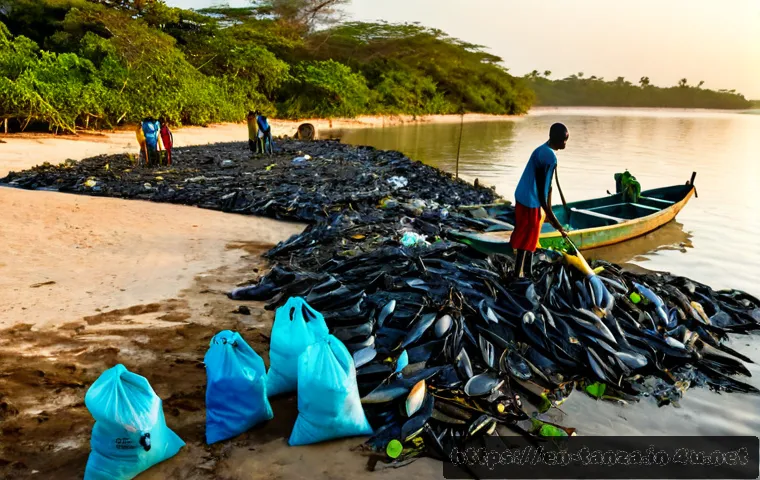
Learn what to assess when choosing responsible marine experiences.
Tanzania’s marine conservation relies on protected areas, fisheries management, community participation, and visitor practices that reduce pressure on fragile habitats.
Travelers can make a meaningful choice by comparing permits, guide standards, group size, wildlife rules, and local benefits before booking. Marine parks can help manage fishing and visitor activities, while community-led work, restoration, and education support conservation beyond park boundaries.
A responsible dive operator, eco-lodge, or boat charter should explain how it handles waste, anchoring, wildlife encounters, and local permissions. Prices, permits, and conditions vary, so current details should always be confirmed directly with the relevant park authority or provider.
The best marine experience is not simply the one labeled “eco,” but one that shows clear, practical conservation practices.
At a Glance
- Tanzania’s coast connects coral reefs, seagrass meadows, mangrove forests, estuaries, and island ecosystems that support fisheries and coastal livelihoods.
- Marine protected areas, fisheries compliance, community involvement, and carefully managed tourism each serve different conservation roles.
- Before booking a dive trip, marine tour, or coastal stay, check permits, guide practices, wildlife rules, waste handling, and local community benefits.
| Experience or Area Type | Planning Need | Responsible Operator Check |
|---|---|---|
| Marine park visit | Confirm current entry rules, permits, and activity restrictions. | Ask whether the operator clearly explains park regulations and uses authorized access points. |
| Diving or snorkeling trip | Consider reef sensitivity, boat practices, group size, and briefing quality. | Look for no-anchor practices near reefs, clear reef etiquette, and guides who intervene when guests touch wildlife. |
| Wildlife-focused boat excursion | Check how wildlife viewing is managed and whether the route changes with conditions. | Ask about viewing distance, feeding policies, photography rules, and whether guides avoid crowding animals. |
| Eco-lodge or coastal stay | Review waste, water, shoreline, and community engagement practices. | Look beyond branding: ask what happens to waste, how activities are guided, and whether local employment is part of operations. |
How Tanzania Protects Its Coastal and Island Ecosystems
Why coral reefs, mangroves, seagrass, and estuaries need connected protection
Tanzania’s Indian Ocean coast is not one single habitat. Coral reefs, seagrass beds, mangrove forests, estuaries, and islands function as connected systems. A reef excursion may begin at a beach bordered by mangroves, cross seagrass habitat, and finish at a coral site. Pressure in one area can therefore affect another.
Mangroves help form part of the coastal habitat network, while seagrass meadows and reefs support marine life and fisheries. Estuaries add another important connection between land and sea. For travelers, this means responsible marine tourism should not focus only on the most photogenic reef. A good itinerary also avoids unnecessary shoreline damage, litter, and disturbance in shallow-water habitats.
The role of marine protected areas and fisheries management
Marine protected areas are one tool used to manage fishing pressure, protect habitats, and regulate certain visitor activities. Tanzania includes several protected marine areas with different locations and conservation contexts. Mafia Island Marine Park was established in 1995 and includes reef, mangrove, and seagrass habitats. Mnazi Bay-Ruvuma Estuary Marine Park, established in 2000 in southern Tanzania, includes marine and estuarine environments. Tanga Coelacanth Marine Park was established in 2009 and is associated with coastal habitat protection in the Tanga region.
A protected-area designation does not mean every site has identical visitor rules or conditions. Entry fees, permits, access arrangements, and activity requirements can change by location, season, and visitor status. Confirm the current terms before arranging a marine park tour, diving package, or boat charter.
Why local communities matter in long-term conservation
Coastal conservation is stronger when it includes people whose livelihoods depend on fisheries and shoreline resources. Community participation, fisheries compliance, environmental education, and habitat restoration can complement formal protected-area rules. When choosing a conservation-focused travel experience, ask whether local guides, crew members, suppliers, or community partners are meaningfully included.
This is more useful than assuming every “community-based” or “eco-friendly” label has the same standard. Local benefit should be explained as a practice, not treated as a vague marketing promise.
Key Pressures on Reefs, Fisheries, and Coastal Wildlife
Fishing pressure and destructive harvesting risks
Unsustainable fishing practices can place pressure on fisheries and marine habitats. Protected areas and fisheries management can help address this pressure, but visitor behavior also matters. Travelers should avoid activities that appear to bypass local permissions or dismiss fishing rules as an inconvenience.
A low-cost excursion is not automatically irresponsible. However, a provider that cannot explain where it operates, what permissions apply, or how it avoids sensitive habitat deserves closer scrutiny.
Coral bleaching, storms, and changing ocean conditions
Coral bleaching, storms, and climate-related change can affect coastal and marine ecosystems. Reef conditions are not fixed, and no operator can honestly guarantee the condition of a specific reef on a future date. A responsible dive operator or snorkeling guide should set realistic expectations and adjust activities when conditions make a site unsuitable.
Choose operators that treat reef health as a management issue rather than a sales obstacle. A flexible route, a careful briefing, and a willingness to skip a sensitive site can be positive signs.
Pollution, shoreline development, and unmanaged tourism
Pollution, habitat loss, shoreline development, and unmanaged tourism can all affect coastal ecosystems. Plastic waste, poor disposal practices, careless anchoring, and crowded wildlife encounters can create avoidable harm. The practical question is simple: what does the provider do, not just what does it call itself?
Comparing Responsible Marine Experiences in Tanzania
Marine park visits versus open-coast excursions
A marine park visit may involve more formal rules, permits, or activity controls. An open-coast excursion may offer more flexibility, but that does not remove the need for local permissions, safe boating, and habitat-aware guiding. Neither option is automatically better; the decision should reflect the sensitivity of the habitat and the transparency of the operator.
For a marine park booking, ask how the trip follows site rules. For an open-coast boat tour, ask how the route avoids sensitive areas and how the crew handles wildlife encounters.
Diving, snorkeling, dolphin trips, and turtle-related activities: different impact risks
Diving and snorkeling can damage reefs when guests stand on coral, touch marine life, or boats anchor carelessly. Wildlife viewing trips can become harmful when boats crowd animals, chase them, feed them, or encourage close contact. Turtle-related activities require special care because nesting areas and wildlife populations may be sensitive and conditions vary by location.
Choose a guide who gives a clear environmental briefing before departure. The briefing should cover distance, no-touch behavior, no feeding, photography restraint, and what happens if wildlife changes direction or shows signs of disturbance.
What transparent permits, guides, and environmental briefings can indicate

Transparency is a practical selection criterion. A responsible marine tour company should be able to explain the applicable permits or park arrangements, who leads the activity, and the basic environmental rules guests must follow. This does not prove every sustainability claim, but it is more meaningful than polished “eco-tourism” language alone.
Before comparing diving packages, eco-lodges, or private boat charters, look for clear answers rather than broad assurances. Official guidance and detailed booking conditions should be available through the relevant provider or park authority.
Practical Steps for Travelers and Tour Planners
Questions to ask a dive operator, boat charter, or eco-lodge before booking
- Which permits, park rules, or local permissions apply to this activity?
- How do boats avoid damaging reefs or shallow habitats?
- What wildlife-distance and no-touch rules do guides enforce?
- How are waste, plastic bottles, and onboard rubbish handled?
- Who guides the trip, and how are local communities involved?
- What happens if weather, sea conditions, or habitat sensitivity requires a change of plan?
Wildlife viewing rules: distance, feeding, touching, and photography
Keep a respectful distance. Do not feed, touch, chase, surround, or block the movement of marine wildlife. Photography should not become a reason to pressure an animal or enter a sensitive area. If a guide encourages direct contact or ignores visible disturbance, step back and reconsider the activity.
A good wildlife encounter leaves animals able to move and behave normally. Visitors should follow guide instructions, while also using judgment when an activity appears crowded or intrusive.
Reducing plastic, anchoring, sunscreen, and waste impacts
Carry reusable water containers where practical, keep personal waste contained, and avoid leaving anything on beaches or boats. Ask how the vessel manages garbage and whether anchoring practices protect reef habitat. Product choices, including sunscreen, should be considered alongside the larger issue of behavior: staying off coral, not collecting natural material, and following site-specific guidance usually matter more than a label on a bottle.
Common Mistakes That Undermine Conservation Efforts
Treating “eco-friendly” as a claim instead of a practice to verify
“Eco-friendly” can describe a real operating approach, or it can be a loose marketing phrase. Verify the basics: environmental briefings, waste practices, guide behavior, permit transparency, and local participation. A provider does not need dramatic claims to show responsible practice.
Choosing low-cost trips without checking safety, group size, or local permissions
Price alone does not show whether a marine experience is responsible. Very low-cost options may still be legitimate, but travelers should not skip questions about group size, boat operation, guide oversight, safety procedures, and permissions. These details affect both visitor experience and habitat pressure.
Assuming every conservation donation reaches habitat or community work
A conservation add-on or donation can be worthwhile, but its measurable impact cannot be assumed without reviewing current reporting and local partnerships. Ask what the contribution supports, who manages it, and whether the organization provides clear updates. Avoid treating a donation as a substitute for responsible behavior during the trip.
Selection Criteria and Comparison Summary
Choose a marine experience based on habitat sensitivity, group size, guide practices, permit transparency, and local benefits. Divers should prioritize reef briefings, careful boat practices, and guides who enforce no-contact rules. Families may prefer shorter, well-explained trips with clear safety and waste procedures. Wildlife-focused travelers should prioritize distance rules and non-intrusive viewing. Educational groups should seek operators able to explain habitat connections, fisheries pressures, and local conservation context without making unsupported impact claims.
Before booking, compare these points: current permit information, group management, habitat protection practices, waste handling, wildlife rules, and local partnerships. For official requirements and detailed booking conditions, check the relevant park authority or operator’s current information page.
In Closing
Tanzania’s marine ecosystems benefit from more than one type of protection. Marine parks, fisheries management, community participation, restoration efforts, education, and responsible tourism can work together. Visitors cannot control every pressure facing the Indian Ocean coast, but they can choose activities that reduce unnecessary disturbance. Asking direct questions before booking is one of the simplest ways to support better marine travel decisions.
Useful Things to Know
1. Reef, seagrass, mangrove, and estuary habitats are connected.
2. Marine park rules and permit requirements may differ by place and change over time.
3. Wildlife conditions and reef quality should be confirmed locally rather than assumed from older photos or reviews.
4. A clear environmental briefing is often more valuable than a broad sustainability slogan.
Important Notes
Current entry fees, permits, operator prices, wildlife conditions, and the sustainability performance of individual businesses require direct verification. This information does not confirm the present condition of a specific reef, beach, turtle nesting area, or wildlife population. It also cannot verify the impact of a specific donation, volunteer program, lodge, or tour without current reporting and evidence of local partnerships.
Frequently Asked Questions
Q1. Which parts of Tanzania are best for responsible snorkeling or diving trips?
A1. Marine areas associated with protected habitats, including Mafia Island Marine Park, Mnazi Bay-Ruvuma Estuary Marine Park, and the Tanga region, may be relevant starting points for research. The best choice depends on current conditions, access rules, the activity you want, and the practices of the specific dive or snorkeling operator.
Q2. How can travelers check whether a marine tour operator follows responsible wildlife and reef practices?
A2. Ask about permits, environmental briefings, group size, anchoring practices, waste handling, wildlife-distance rules, and guide training. Look for specific operational answers. Be cautious if a provider relies only on general eco-tourism claims or encourages touching, feeding, or chasing wildlife.
Q3. Do marine park fees directly support conservation and local communities in Tanzania?
A3. Marine protected areas can be part of wider conservation management, but the current use and distribution of fees should not be assumed. Confirm current fee arrangements, park information, and any stated community-benefit mechanisms directly with the relevant authority or operator.