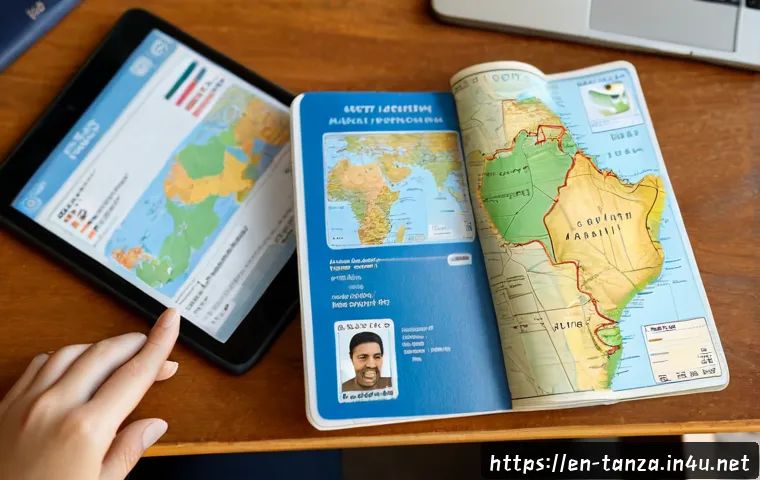
Plan your Tanzania entry permission before committing to non-refundable flights, safari deposits, or tightly timed connections. The correct route depends on your nationality, passport type, trip purpose, planned entry date, and the rules in force when you travel.

An online application may suit travelers who want confirmation before departure, while an arrival-based option may be available only to eligible travelers and must be verified carefully.
If your itinerary involves business meetings, family travel, several countries, or limited flexibility, a visa-assistance service can be worth comparing for document review.
Keep visa preparation separate from flight and safari booking decisions until you understand the cancellation terms. A careful check now can reduce avoidable airport stress later.
At a Glance
- Confirm whether you need entry permission based on your nationality, passport, trip purpose, and current rules.
- Compare an online application, an arrival-based option if eligible, and visa-assistance support before making non-refundable bookings.
- Prepare matching passport, itinerary, accommodation, and onward-travel details to reduce application and check-in problems.
| Decision factor | Self-application | Visa-assistance support |
|---|---|---|
| Cost | Usually limited to required application-related costs and your own document preparation. | May add a service charge, so compare what document review and support are included. |
| Control | High control over every form field, upload, and booking decision. | Support may help organize the process, but you remain responsible for accurate information. |
| Document review | You check passport details, travel dates, and supporting documents yourself. | Useful when you want an extra review of a complex set of documents. |
| Best suited to | Travelers with a straightforward tourism itinerary and time to verify each requirement. | Families, business visitors, multi-stop travelers, or people managing time-sensitive plans. |
The Quick Answer: Plan Your Entry Permission Before Booking Final Travel
The safest approach is to identify your likely Tanzania entry route before finalizing travel that cannot be changed. A visa requirement or exemption is not universal: it can depend on nationality, passport type, reason for travel, and current entry rules. Do not rely on a friend’s experience or an old travel forum post, especially if your trip includes work, volunteering, filming, business activity, or a long stay.
Start with nationality, trip purpose, and planned entry date
Begin with the facts that determine your application path: the passport you will use, your expected arrival date, the reason for your visit, and the place where you intend to enter Tanzania. A leisure safari, a family visit, and a business trip may require different supporting information. If you hold more than one passport, check the rules for the specific passport you plan to present at airline check-in and border control.
Keep the visa route separate from airline and safari reservation decisions
An entry application is one part of the trip, not a substitute for sound booking choices. Review flight flexibility, safari package deposit terms, hotel cancellation conditions, and any internal flight arrangements separately. A booking confirmation may support an application, but it does not guarantee approval or permission to carry out every planned activity.
Apply early enough to leave room for corrections or additional document requests
Do not build your schedule around an assumed processing speed. Requirements, payment methods, processing times, and accepted entry points can change. Leave time to correct a typo, replace an unclear upload, respond to a request for more information, or adjust travel plans if your chosen route is not available.
Choose the Right Application Route for Your Trip
Your main choice is often between applying online, using an arrival-based option where available, or paying for professional assistance. The best route is not automatically the cheapest one. It is the route that fits your eligibility, timeline, document readiness, and tolerance for last-minute travel risk.
Online application: best for travelers who want confirmation before departure
An online application can be a practical choice for travelers who prefer to organize entry permission before flying. It may also make airline check-in less stressful when you can present application records or approval information as required. Before you submit, confirm that your nationality, purpose of travel, and planned entry point are eligible for that route.
Use an online process carefully. Enter your name, passport number, dates, and contact details exactly as they appear in the documents you will carry. Save copies of the submitted form, payment record where applicable, uploaded documents, and any result or reference number.
Arrival-based options: when eligibility and timing need extra verification
An arrival-based option may sound convenient, but it should never be treated as automatic. Eligibility, payment arrangements, and accepted points of entry need confirmation before departure. Travelers using this route should also consider the practical risk of arriving with incomplete documents, an itinerary that does not match their stated purpose, or an airline that requests evidence before boarding.
If your plans are tightly timed, include possible arrival delays in your decision. This matters when you have a same-day domestic connection, a safari transfer, or accommodation that expects a late check-in.
Visa-assistance services: when document review may justify the extra cost
A visa-assistance service does not replace official eligibility checks or guarantee an outcome. Its value may be in helping you understand a workflow, organize uploads, and review whether your documents appear consistent. This can be useful for travelers coordinating several family applications, a business itinerary, or a trip with multiple bookings and limited room for changes.
Before choosing support, compare the service scope. Look for clear information about document review, communication, handling of changes, privacy practices, refunds, and what remains your responsibility. A reputable support option should not promise approval or advise you to misstate your trip purpose.
Comparison table: cost, convenience, risk, and traveler suitability
| Route | Convenience | Main risk to manage | Good fit |
|---|---|---|---|
| Online application | Lets you prepare before departure. | Errors, unclear uploads, or assumptions about timing. | Travelers who want to manage their own paperwork. |
| Arrival-based option, if eligible | May reduce pre-trip application steps. | Eligibility, documents, payment arrangements, and airport timing. | Travelers with confirmed eligibility and flexible arrival plans. |
| Visa-assistance service | May add structure and document-review support. | Extra cost and unrealistic expectations about approval. | Complex, family, business, or time-sensitive itineraries. |
Documents and Details to Prepare Before You Start
Most avoidable issues come from incomplete preparation rather than from the form itself. Gather your documents first, then start the application. This gives you time to notice conflicting dates, misspelled names, or bookings that do not reflect your actual travel plan.
Passport validity, blank pages, and consistent personal information
Check your passport condition, validity, and available pages against current entry requirements before paying for anything. Your full name, date of birth, passport number, and passport dates should be consistent across the application, airline reservation, accommodation booking, and any supporting letters. Even a small difference in spacing, name order, or date format can create unnecessary questions.
Accommodation, itinerary, return or onward travel, and contact details
Keep a clear record of where you expect to stay, your broad travel route, and your return or onward plans. Use details that are real and current. If your itinerary includes a safari lodge, a city hotel, a family address, or several stops, organize the information in date order so that it is easy to explain.
Carry reliable contact details for your accommodation provider, tour operator, or local host. If a booking changes after submission, assess whether your application information needs to be updated under the applicable process rather than assuming the old details are acceptable.
Additional evidence that may be relevant for business or non-tourist travel
Tourism is not the same as business activity, employment, filming, volunteering, or other non-tourist purposes. These situations may require different permission, different evidence, or a different entry category. Do not select a tourism route merely because it appears simpler if your actual plans involve activities outside ordinary leisure travel.
How to avoid mismatches between your application and travel bookings
Create one simple trip sheet before submitting anything. List the passport name, arrival date, departure date, flight details, first accommodation, main destination areas, and emergency contact. Compare that sheet with every upload and reservation. If you are traveling as a family, repeat the check for each person rather than assuming one adult’s details cover everyone.
A Practical Application Workflow and Common Mistakes
A careful sequence helps prevent rushed decisions. Treat the application as a document-matching exercise: your information should be accurate, readable, and consistent with the trip you actually intend to take.
Complete the form carefully and retain application records

Use a secure device and stable connection when completing an online form. Read each field before moving on, especially passport details, email address, arrival date, and purpose of travel. Keep copies or screenshots of important records, including reference numbers and confirmation messages, in a secure folder that you can access while traveling.
Review uploaded documents before payment or submission
Open each uploaded file after attaching it. Confirm that the image is readable, not cut off, and belongs to the correct traveler. Check that supporting documents show the same names and dates used in the application. If payment is required, confirm the accepted method and the final details through the relevant current guidance before proceeding.
Avoid assumptions about processing speed, entry approval, or permitted activities
Submitting an application is not the same as receiving permission to enter. Likewise, a travel booking, an email acknowledgement, or a payment record does not automatically confirm that you can board a flight or undertake a particular activity. Avoid non-refundable commitments based solely on an assumption that an application will be processed by a certain date.
What to carry digitally and on paper for airline check-in and border control
Keep essential travel records available both digitally and in paper form when practical. This may include your passport, relevant application or approval records, itinerary, accommodation details, onward-travel evidence, travel insurance information, and contact details for your safari operator or host. Paper copies can be helpful if your phone battery, internet access, or email login becomes a problem.
Budgeting for Tanzania Travel Beyond the Visa Fee
A realistic Tanzania trip budget should separate entry-related costs from the rest of the journey. Visa fees are only one possible part of the pre-departure cost. Your financial exposure can also include flight-change charges, insurance, document preparation, accommodation cancellations, and safari deposits.
Build a realistic pre-departure budget in USD and local Tanzanian shillings
Set up separate lines for expected costs in USD and expenses you may pay in Tanzanian shillings after arrival. Do not assume every supplier uses the same currency or accepts the same payment method. Check the payment currency, refund policy, and any conversion implications before confirming a service.
A simple planning list can include entry processing costs, travel insurance, international flights, domestic connections, accommodation, safari or tour deposits, airport transfers, communications, and a contingency amount for changes.
Compare flexible versus non-refundable flights before approval is confirmed
A lower-priced flight can become more expensive if it cannot be changed when your entry plan changes. Compare fare conditions, not just the initial ticket price. Look at the rules for date changes, cancellations, credit validity, and missed connections. This is especially relevant when a long-haul arrival connects to a safari departure or regional flight.
Consider travel medical coverage, evacuation cover, and safari deposit terms
Travel insurance is a separate decision from entry permission, but it can matter greatly when plans change or a medical issue interrupts travel. Compare policy wording for medical care, emergency evacuation, trip interruption, and exclusions that may affect your activities. For a safari booking, read deposit, cancellation, postponement, and weather-related terms before paying.
When comparing policies, focus on the coverage conditions rather than a headline price. The right level of travel medical coverage depends on your itinerary, activities, travel companions, and personal circumstances.
When professional assistance can reduce costly rebooking risk
Professional visa assistance may be worth considering when the cost of a mistake is high. Examples include a family traveling on fixed school dates, a business visitor with scheduled meetings, or a traveler coordinating flights, safari transfers, and multiple accommodations. The service cannot guarantee approval, but a clear document-review process may help identify inconsistencies before you commit to more travel costs.
Selection Criteria and Comparison Summary
Use these checks before choosing a Tanzania visa application route:
- Eligibility: Have you confirmed the current rules for your nationality, passport, purpose, and intended entry point?
- Timing: Do you have enough room for corrections, additional requests, or a changed itinerary?
- Complexity: Is this a straightforward holiday, or does it involve business, family members, multiple countries, or special activities?
- Booking risk: Are your flights, lodges, and safari deposits refundable or flexible if entry arrangements change?
- Protection: Does your travel insurance comparison include medical and evacuation considerations appropriate to your trip?
- Support: Would a visa-assistance service provide useful document review, or can you comfortably manage the process yourself?
Compare travel insurance, refundable flight conditions, and visa-support options by reading the detailed terms on the relevant provider pages before making a payment.
Closing Thoughts
Tanzania entry planning is easiest when you begin with verified eligibility rather than a preferred booking date. Keep your passport, purpose of travel, itinerary, and supporting documents aligned from the first application step through airline check-in. A flexible flight and carefully reviewed safari deposit can be just as important as choosing the correct application route. When your itinerary is complex, paying for professional document support may be a practical choice, but it should never replace checking current official requirements.
Useful Things to Know
1. Keep a single folder for passport copies, application records, flight details, accommodation confirmations, and insurance documents.
2. Check each traveler’s documents individually, including children and travelers using different passports.
3. Use booking terms to guide your decisions: refundability and change rules can matter more than the first displayed price.
4. If your purpose changes from tourism to business or another activity, recheck the appropriate permission before traveling.
Important Notes
This is a general planning guide, not a determination of visa eligibility or entry permission. Tanzania visa requirements, exemptions, fees, processing times, payment methods, entry points, and document rules may change. Confirm current requirements through the appropriate official channels and verify airline boarding requirements before purchasing non-refundable travel.
Frequently Asked Questions
Q1. Do I need to apply before flying to Tanzania, or can I arrange entry on arrival?
A1. That depends on your nationality, passport type, purpose of travel, current exemption rules, and eligibility for any arrival-based option. Confirm the current route available to you before departure, and do not assume that an arrival option applies simply because it applied to another traveler.
Q2. What documents should I prepare before paying for a Tanzania visa application?
A2. Start with your passport and make sure the personal details match your intended bookings. You may also need information related to accommodation, itinerary, return or onward travel, contact details, and documents relevant to your trip purpose. Business and other non-tourist travel can require different supporting evidence, so verify the current requirements for your category.
Q3. Is a visa-assistance service worth the additional cost for a Tanzania safari trip?
A3. It can be worth comparing if your safari includes fixed deposits, internal connections, family members, multiple destinations, or limited flexibility. For a straightforward trip, self-application may be sufficient if you can carefully verify the requirements and documents. Compare the assistance scope alongside refundable flight options, safari cancellation terms, and travel insurance coverage rather than choosing on price alone.