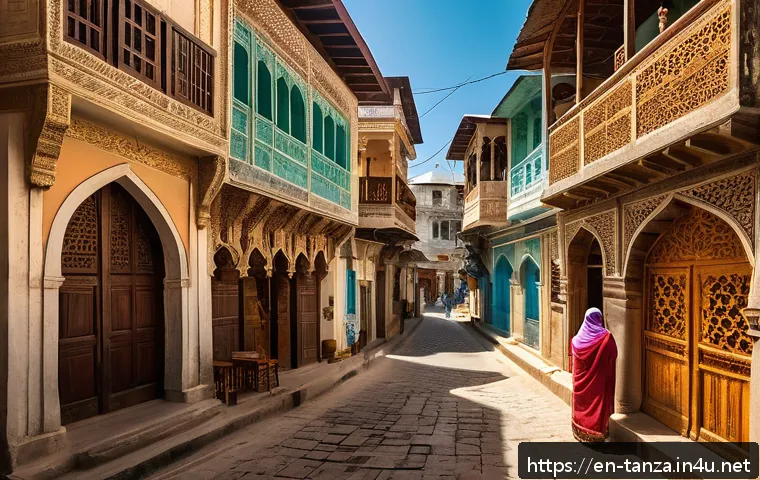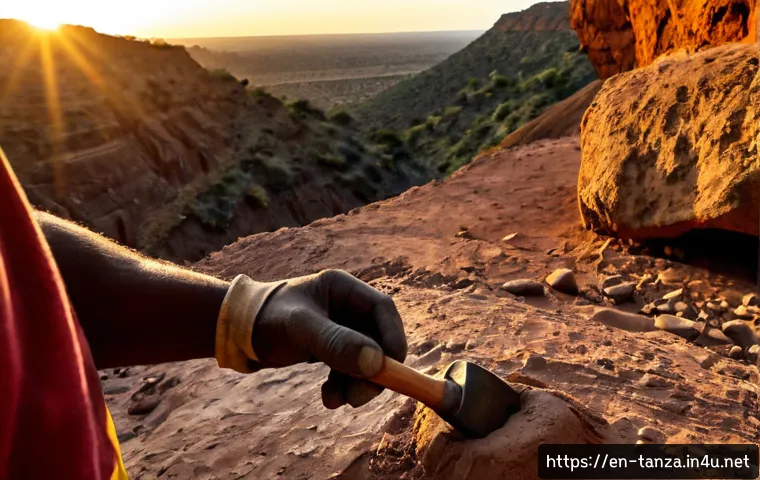
Tanzania’s most important archaeological discoveries include early hominin evidence and Oldowan stone tools at Olduvai Gorge, fossil hominin footprints at Laetoli, and Stone Age artifacts at Isimila.
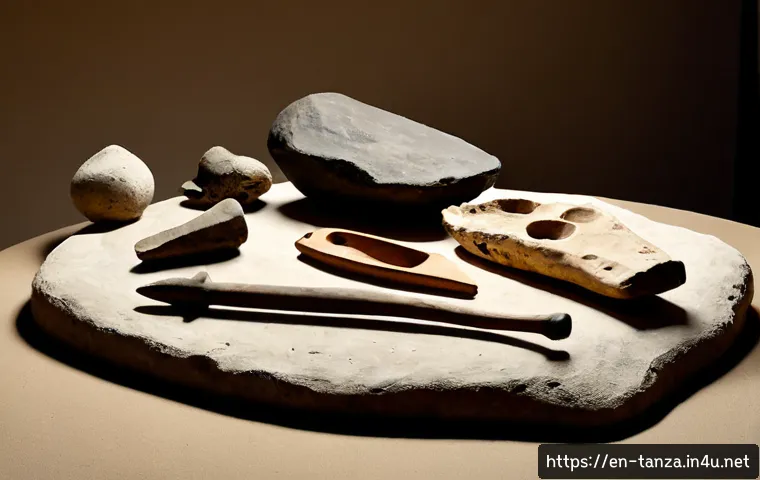
For coastal history, Kilwa Kisiwani offers evidence of a major Swahili trading settlement connected to the Indian Ocean, while Engaruka reveals a precolonial settlement and agricultural landscape.
A museum-focused visit is often the clearest choice for first-time learners, while a guided northern Tanzania route suits travelers who want landscape context.
The best itinerary depends on whether your priority is human origins, Stone Age technology, or historic settlement patterns. Because access rules and displays can change, compare current transport options, authorized guides, and museum-led tours before booking.
At a Glance
- For human-origins research: Olduvai Gorge and Laetoli are Tanzania’s best-known places for early hominin evidence.
- For coastal history: Kilwa Kisiwani preserves evidence of a major Swahili settlement linked to Indian Ocean trade.
- For heritage travel planning: Choose a museum visit, a guided northern route, or a coastal-focused itinerary based on current access conditions.
| Site | Main Evidence | What Visitors Can Learn | Access Consideration | Is a Local Guide Worthwhile? |
|---|---|---|---|---|
| Olduvai Gorge | Early hominin evidence and Oldowan stone tools | Human origins and Stone Age technologies | Confirm current site access and interpretation options | Yes, for geological and archaeological context |
| Laetoli | Fossilized hominin footprints in volcanic ash | Early habitual bipedal walking | Confirm whether visits are available and under what conditions | Yes, especially for responsible site interpretation |
| Isimila | Stone Age artifacts, including large cutting tools often called handaxes | Stone Age toolmaking and landscape use | Check transport, entry, and guide arrangements in advance | Helpful for understanding the material evidence |
| Kilwa Kisiwani | Remains of a Swahili coastal trading settlement | Urban history and Indian Ocean connections | Check conservation rules and visitor arrangements | Yes, for historical context and site rules |
| Engaruka | Precolonial settlement remains and agricultural landscape | Settlement patterns and agriculture in northern Tanzania | May require more planning than a museum-based visit | Recommended for regional interpretation |
The Short Answer: Tanzania’s Most Important Archaeological Discoveries
Tanzania’s archaeological importance comes from the range of evidence found across its landscapes. The country is associated with early hominins, Stone Age tool traditions, fossil footprints, precolonial settlements, and a major coastal trading history. These are not interchangeable discoveries: each site answers a different question about the past.
Early Hominin Evidence at Olduvai Gorge
Olduvai Gorge in northern Tanzania is internationally important for evidence related to early hominins and Stone Age technologies. Stone tools associated with the Oldowan tradition have been found in the area. For students and general history readers, its central value is the connection between ancient landscapes, early toolmaking, and the study of human origins.
A guided visit can be useful because archaeological finds make more sense when explained alongside the surrounding geology and excavation history. Do not assume that every find is visible at the site or displayed to visitors. Museum collections, displays, and current interpretation programs should be checked before travel.
The Fossil Footprints of Laetoli
Laetoli, also in northern Tanzania, is known for fossilized hominin footprints preserved in volcanic ash. These footprints are widely interpreted as evidence of early habitual bipedal walking. That makes Laetoli especially important for learning about movement and behavior, rather than stone-tool technology alone.
Laetoli is best approached as a sensitive research and heritage location, not as an attraction where visitors should expect unrestricted access. Current permissions, photography policies, and guided visit availability can change. A responsible operator should explain what can actually be seen, what is protected, and why some areas may not be open.
Stone Age Tools at Isimila and What They Indicate
Near Iringa, Isimila is known for Stone Age artifacts, including large cutting tools commonly described as handaxes. These objects help visitors understand that Tanzania’s archaeological story is broader than fossil evidence alone. Stone tools can show how people made, used, and adapted technology within particular landscapes.
When comparing a northern human-origins route with an Isimila-focused stop, consider your learning goal. Olduvai and Laetoli are stronger choices for early hominin questions; Isimila adds a practical focus on Stone Age artifacts and tool traditions. Check whether transport and an informed local guide are included before choosing a tour.
A Comparison of Major Sites and What Visitors Can Learn
Human Origins, Stone Age Technology, and Ancient Settlements
A useful way to compare Tanzanian archaeological sites is by evidence type. Olduvai Gorge combines early hominin research with Oldowan tools. Laetoli is associated with fossil footprints and bipedal walking. Isimila centers on Stone Age artifacts. Kilwa Kisiwani and Engaruka shift the focus to settlement, trade, agriculture, and regional social life.
This distinction prevents a common mistake: treating every ancient site as if it belongs to the same period or tells the same story. Fossil discoveries, Stone Age tool sites, coastal trading settlements, and precolonial agricultural landscapes require different historical questions.
Site Accessibility, Museum Context, and Guide Value
A museum-focused itinerary is often a practical starting point for travelers with limited time or uncertain transport plans. Museums can provide structured interpretation without requiring access to every excavation area. They can also help visitors distinguish original archaeological materials from educational reproductions or replicas.
A field visit offers landscape context, but it requires more preparation. Ask whether the guide is authorized to operate at the relevant location, whether transportation is suitable for the route, and whether the itinerary includes time for interpretation rather than only a brief stop. Availability, conservation restrictions, and entrance conditions should be confirmed through official channels.
When a Heritage Tour Is Worth the Additional Cost
A heritage tour can be worthwhile when it provides clear logistical support and responsible interpretation. This is especially relevant for travelers combining remote inland locations, changing road conditions, or multiple archaeological themes. The most useful tour description should state what is included, what site access is expected, and what rules visitors must follow.
Pay for context, planning, and responsible access, not exaggerated claims of exclusive artifact viewing. No operator should imply that visitors may handle protected materials or take archaeological objects away as souvenirs.
From Inland Landscapes to the Swahili Coast
Kilwa Kisiwani and Indian Ocean Trade
Kilwa Kisiwani preserves evidence of a major Swahili coastal trading settlement with connections across the Indian Ocean. It expands the story beyond early prehistory by showing Tanzania’s place within wider coastal exchange networks. Visitors interested in urban history, architecture, and maritime connections may find this focus more relevant than a human-origins itinerary.
Interpret the site carefully: surviving remains are evidence of a historic settlement, but individual objects, dates, and interpretations can be refined as research develops. Check current conservation guidance before arranging photography, guided access, or independent travel.
Engaruka’s Settlement and Agricultural Remains
Engaruka contains the remains of a precolonial settlement and an extensive agricultural landscape in northern Tanzania. It is valuable because archaeological heritage is not limited to tools and fossils. Settlement remains and cultivated landscapes can reveal how communities organized land, food production, and daily life.
Engaruka may suit travelers who want a broader northern Tanzania heritage route rather than a single famous discovery. It is important not to remove stones, fragments, or other materials from a landscape simply because they appear old or unguarded.
Why Archaeological Evidence Must Be Read in Regional Context

Archaeology is stronger when evidence is connected to place. A footprint preserved in ash, a stone cutting tool, a coastal settlement, and an agricultural landscape each have meaning because of their context. Removing an object from that context can erase information about where it was found and how it relates to other evidence.
This is why provenance matters. Provenance means documented information about an object’s origin, history, and legal status. Without it, a claimed artifact may be misidentified, improperly obtained, or impossible to evaluate responsibly.
Responsible Research and Visit Planning
Use Museums and Authorized Guides for Reliable Interpretation
Use museum information, official heritage sources, and authorized local guidance when planning. A good guide should separate established evidence from interpretation and should be comfortable saying when something needs confirmation. This matters because dates, species identifications, and archaeological conclusions can change as excavations and analysis continue.
Do Not Remove, Buy, or Disturb Archaeological Materials
Many archaeological materials are protected by Tanzanian heritage laws and should only be viewed, recorded, or handled through authorized channels. Do not pick up artifacts, move stones, dig, or disturb visible remains. Do not assume that an item offered for sale has lawful ownership, export permission, or a documented origin.
Replicas and educational objects also deserve careful checking. Ask what the item is, whether it is clearly identified as a replica, and whether its provenance and legal documentation are available. An undocumented “ancient artifact” listing is not reliable proof of authenticity or lawful trade.
Check Access Rules, Photography Policies, Transport, and Seasonal Conditions
Before booking, confirm the practical details directly with the relevant official office, museum, or tour provider. Ask about site access, photography rules, guide availability, transport arrangements, and seasonal conditions. Not every artifact attributed to a region is on public display, and not every research location is available for visitor viewing.
Common Mistakes When Learning About Tanzanian Archaeology
Treating Every Ancient Object as a Museum-Ready Artifact
An old-looking object is not automatically an authenticated archaeological artifact. Its significance depends on documentation, context, and professional assessment. Avoid treating market claims, social media images, or unattributed listings as reliable evidence.
Confusing Fossil Discoveries with Later Human Cultural Sites
Laetoli’s fossil footprints, Olduvai’s early hominin evidence and tools, Isimila’s Stone Age artifacts, Kilwa Kisiwani’s coastal settlement, and Engaruka’s agricultural landscape belong to different archaeological questions. Compare them by evidence type before building an itinerary or drawing conclusions.
Relying on Undocumented Artifact Listings or Unverifiable Claims
Claims about ownership, market value, export status, or authenticity cannot be assumed without official documentation. A responsible visitor should favor museums, recognized educational materials, and transparent tour operators over listings that make dramatic but unsupported promises.
Choosing a Heritage Experience: Comparison Summary
Choose Olduvai Gorge and Laetoli if your main goal is human-origins learning and you are prepared to confirm current guided access. Choose Kilwa Kisiwani if you are most interested in Swahili coastal history and Indian Ocean trade. Choose Isimila or Engaruka if Stone Age technology, settlement remains, and landscapes are your priority.
Before deciding, compare these practical points: current access conditions, guide authorization and subject knowledge, transport suitability, museum interpretation, photography rules, and the operator’s conservation standards. For structured logistics, compare museum-led tours, local guide services, and transport options by checking the official details on the relevant provider or heritage page.
In Closing
Tanzania’s archaeological record connects deep human history with later technological, agricultural, and coastal trading traditions. The strongest visit is not necessarily the longest route; it is the one that matches your question and respects site protections. Start with reliable interpretation, allow for changing access conditions, and treat every archaeological landscape as a protected source of knowledge.
Useful Things to Know
1. Olduvai Gorge is associated with early hominin evidence and Oldowan stone tools.
2. Laetoli is known for fossilized footprints preserved in volcanic ash.
3. Kilwa Kisiwani is especially relevant to Swahili coastal and Indian Ocean history.
4. Provenance is essential when evaluating replicas, collectibles, or claimed artifacts.
5. Current access, fees, displays, and rules should always be confirmed before travel.
Important Notes
Archaeological interpretations can be updated as new research is published. Site access, museum displays, guide availability, conservation rules, and entry conditions may change. The ownership, value, authenticity, and export status of any individual object should not be assumed without official documentation and appropriate authorization.
Frequently Asked Questions
Q1. What is the most famous archaeological discovery in Tanzania?
A1. Olduvai Gorge is internationally known for early hominin evidence and Stone Age technologies, while Laetoli is widely known for fossilized hominin footprints. Which is “most famous” depends on whether the focus is early human origins, fossil evidence, or tool traditions.
Q2. Can travelers visit Olduvai Gorge and Laetoli with a guide?
A2. Guided options and site access can change, so travelers should confirm current arrangements through official channels or a responsible local operator. Ask specifically what areas can be visited, whether photography is permitted, and what transport is included.
Q3. Is it legal to buy archaeological artifacts or replicas in Tanzania?
A3. Do not assume that an archaeological object may be legally bought, owned, or exported without official documentation. Many archaeological materials are protected and should be handled only through authorized channels. For a replica or educational object, ask for clear identification, provenance information, and any relevant documentation before purchasing.